
Carbohydrates: Simple vs. Complex and Why the Difference Matters

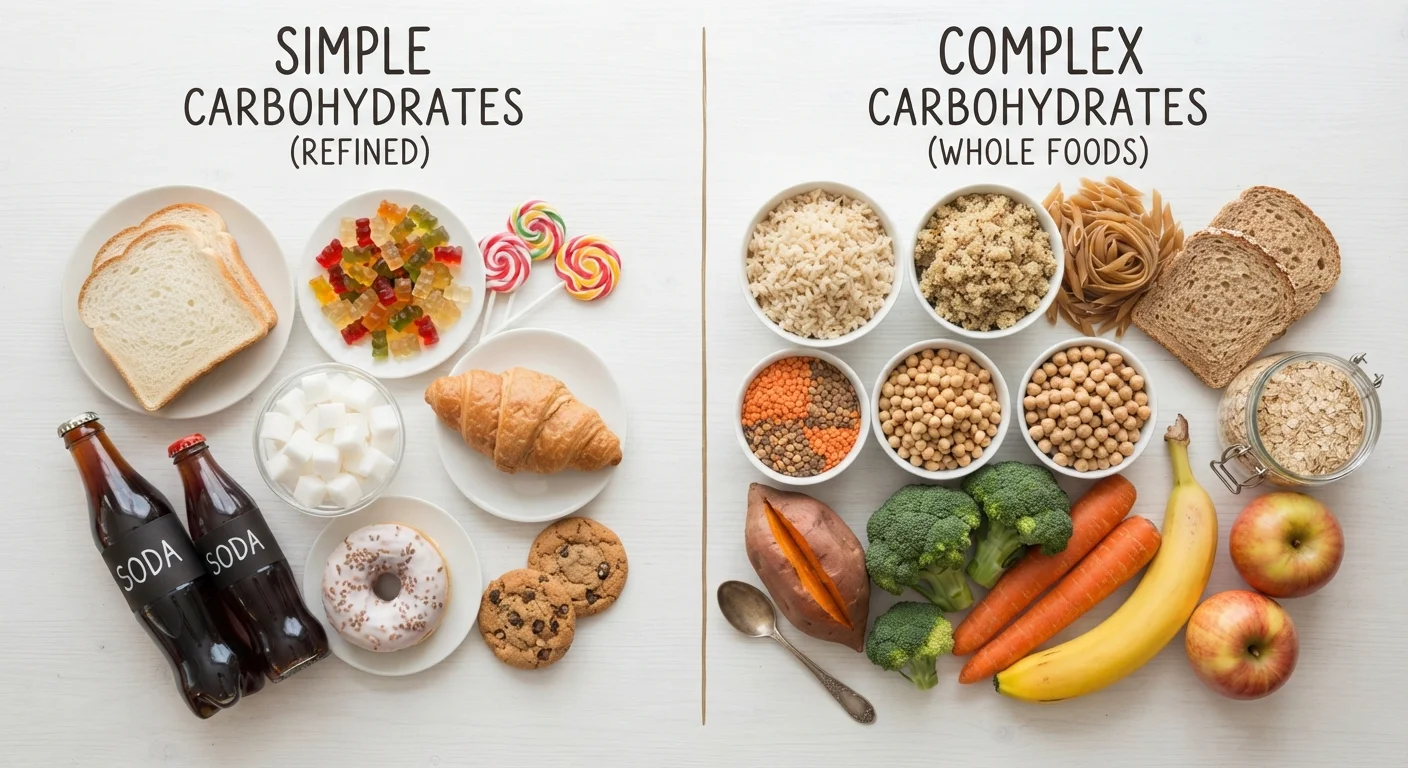
Photo: YetaWellness.com | Explore Trending Blogs editorial
Key Takeaways
- Simple carbohydrates digest rapidly, causing quicker rises in blood glucose levels.
- Complex carbohydrates break down more slowly, delivering sustained energy and supporting digestion.
- Whole-food sources of carbohydrates generally provide more nutrients than refined or processed options.
- Both types can fit a balanced diet; the source and context matter more than the category alone.
- Fiber, a type of complex carb, plays a distinct and important role in gut and metabolic health.
What Makes a Carbohydrate Simple or Complex?
Carbohydrates are the body's primary fuel source, but they are not a single, uniform substance. At the molecular level, carbohydrates are chains of sugar units called saccharides. The length and structure of those chains determine whether a carbohydrate is classified as simple or complex.
Simple carbohydrates consist of one or two sugar units — monosaccharides (like glucose and fructose) or disaccharides (like sucrose, the sugar in your table sugar, and lactose, found in dairy). Because their molecular structure is small and uncomplicated, digestive enzymes break them down very rapidly. This fast digestion leads to a quicker rise in blood glucose after eating.
Complex carbohydrates are longer chains of sugar units called polysaccharides. Starches found in whole grains, legumes, and root vegetables are the most common dietary examples. Fiber — technically also a complex carbohydrate — is unique in that humans lack the enzymes to fully break it down, meaning it passes largely intact through the small intestine. For a deeper look at how carbohydrates fit alongside the other macronutrients, see our macronutrient overview.
How Each Type Affects Your Energy and Blood Sugar
The speed of digestion has real downstream effects on how you feel throughout the day. When simple carbohydrates — especially refined ones like white sugar or white flour — are consumed on their own, blood glucose can rise quickly. The body responds by releasing insulin to move glucose into cells. This rapid cycle can sometimes be followed by a dip in energy levels, often described informally as a "sugar crash."
Complex carbohydrates, by contrast, take longer to disassemble. The extended digestion time produces a more gradual glucose release, which many people experience as more sustained energy and a longer-lasting sense of fullness. This is particularly relevant for the fiber component of complex carbs — fiber slows the absorption of other nutrients alongside it. Learn more about fiber's distinct role in carbohydrate nutrition in our dedicated explainer.
It is worth noting that context matters. Pairing a simple carbohydrate with protein, fat, or fiber can significantly blunt its glycemic effect. A piece of fruit eaten with a handful of nuts, for example, digests differently than the same fruit consumed alone.
| Criterion | Simple Carbohydrates | Complex Carbohydrates |
|---|---|---|
| Molecular structure | 1–2 sugar units | Long chains of sugar units |
| Digestion speed | Rapid | Gradual |
| Blood glucose effect | Quicker rise | More gradual rise |
| Typical energy duration | Shorter-lasting | More sustained |
| Fiber content | Generally low | Often higher |
| Common whole-food examples | Fruit, dairy, honey | Whole grains, legumes, vegetables |
| Common refined examples | White sugar, candy, soda | White bread, white rice, crackers |
| Nutrient density (whole food) | Moderate — vitamins, antioxidants | High — fiber, B vitamins, minerals |
Sources, Quality, and Practical Choices
Categorizing a food as "simple" or "complex" does not tell the whole story about its nutritional value. A piece of whole fruit contains simple sugars, but it also delivers fiber, vitamins, and antioxidants. A plain rice cake is a complex carbohydrate yet provides little fiber or micronutrient value. What matters most is the overall nutritional package a food delivers.
As a practical guide:
- Prioritize whole-food sources — whole grains (oats, brown rice, whole wheat), legumes (lentils, black beans), and starchy vegetables (sweet potatoes, winter squash) deliver complex carbs alongside vitamins, minerals, and fiber.
- Choose whole fruit over fruit juice — juice removes most of the fiber that moderates sugar absorption.
- Be mindful of refined grain products — white bread, pastries, and many breakfast cereals are processed in ways that strip fiber and micronutrients, leaving primarily simple starches.
- Read ingredient lists — look for "whole grain" as a first ingredient rather than enriched or bleached flour.
For further context on how your body decides which fuel source to tap at any given time, explore how carbohydrates and fats compete as energy sources.
This article is for general informational and educational purposes only and is not a substitute for professional medical or dietary advice. If you have questions about managing blood sugar, digestive health, or a specific health condition, please consult a qualified healthcare provider or registered dietitian.
The content on this site is for informational purposes only and is not a substitute for professional advice. Always consult a qualified professional for guidance specific to your situation.