
Complete vs. Incomplete Proteins: What the Distinction Means for Everyday Meals

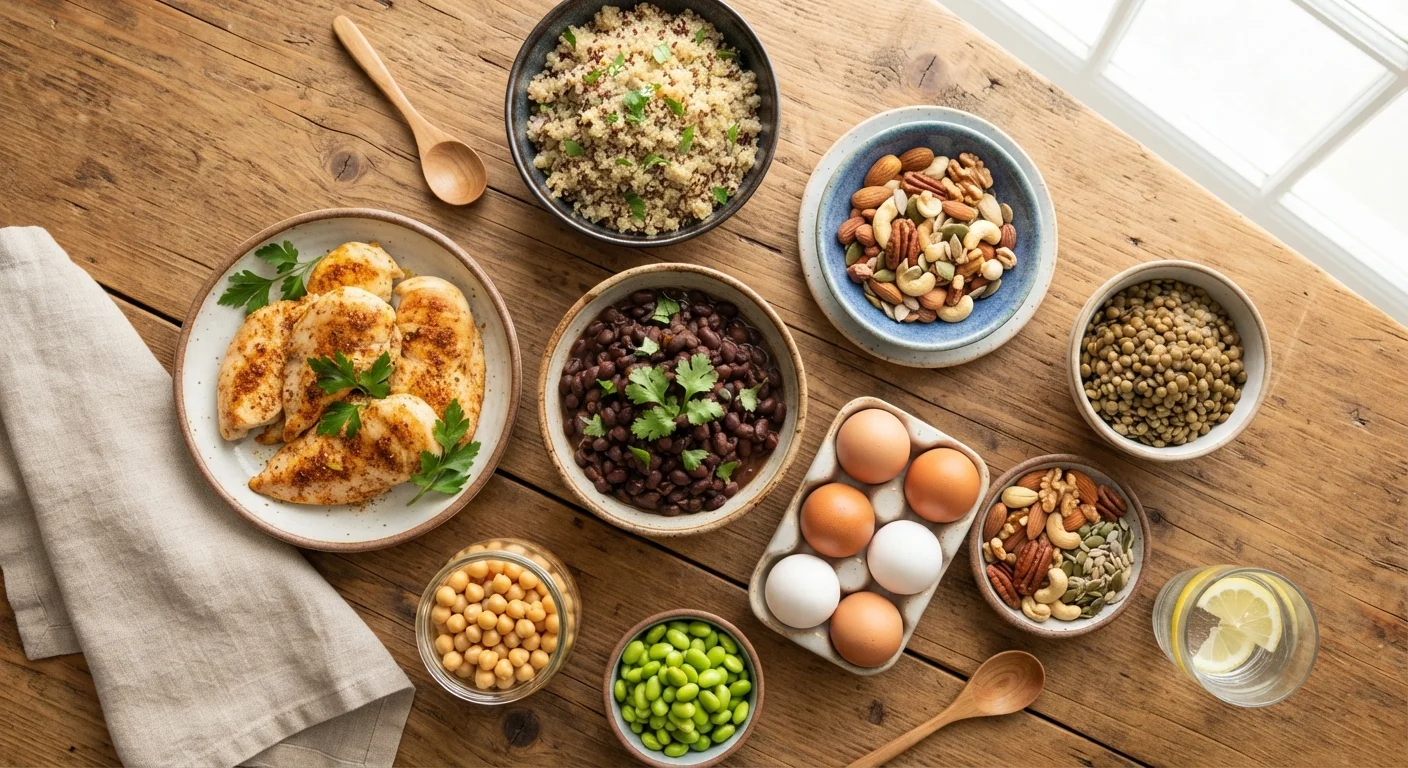
Photo: YetaWellness.com | Explore Trending Blogs editorial
Key Takeaways
- Complete proteins supply all nine essential amino acids; incomplete proteins are missing at least one.
- Most animal foods — meat, fish, eggs, and dairy — are complete proteins.
- Most plant proteins are incomplete, but quinoa, soy, and buckwheat are notable exceptions.
- Plant-based eaters can meet all amino acid needs by eating a variety of protein foods throughout the day.
- Pairing complementary plant proteins (like rice and beans) is helpful but doesn't need to happen in a single meal.
- Protein quality matters less than overall dietary variety for most healthy adults.
Why Amino Acids Are the Real Story
When most people think about protein, they picture a chicken breast or a protein shake. But what your body actually needs isn't protein in a general sense — it needs the specific building blocks protein is made from: amino acids.
There are 20 amino acids in total. Eleven of them are nonessential, meaning your body can synthesize them as needed. The remaining nine are essential — your body cannot make them, so you must get them from food. The complete vs. incomplete protein distinction is entirely about whether a given food delivers all nine of those essential amino acids in adequate amounts.
To understand protein's full role in the body — from immunity to hormone production — see our full breakdown of what dietary protein does.
9
Essential amino acids humans must get from food
According to the National Institutes of Health, these nine amino acids cannot be synthesized by the body and must come from dietary sources.
~30%
Of U.S. adults following a reduced-meat diet
Data from the International Food Information Council's Food and Health Survey indicates growing interest in plant-forward eating patterns among American consumers.
DIAAS
Gold-standard measure of protein quality
The Digestible Indispensable Amino Acid Score, established by the Food and Agriculture Organization, evaluates both amino acid content and how well the body can absorb and use a given protein source.
Complete Proteins: What They Are and Where to Find Them
A food qualifies as a complete protein when it provides all nine essential amino acids in proportions that support normal body function. Animal-based foods dominate this category:
- Meat and poultry (beef, chicken, turkey, pork)
- Fish and seafood (salmon, tuna, shrimp)
- Eggs — often cited as a near-ideal protein source for amino acid balance
- Dairy (milk, yogurt, cheese)
A shorter list of plant foods also earns complete-protein status: quinoa, soy (tofu, tempeh, edamame), buckwheat, and hemp seeds. These are particularly useful anchors for vegetarian and vegan meal planning.
Incomplete Proteins and the Complementary Pairing Strategy
Most plant protein sources — beans, lentils, peas, nuts, seeds, and grains — are incomplete proteins. Each is typically low in at least one essential amino acid. For example, most legumes are low in methionine, while most grains are low in lysine.
The practical solution is complementary proteins: combining two or more incomplete sources so their amino acid profiles fill each other's gaps. Classic pairings include:
- Rice and beans
- Peanut butter on whole-grain bread
- Lentil soup with a whole-grain roll
- Hummus and pita
An important clarification from nutrition research: these combinations do not need to be eaten at the same meal. Your body draws on amino acids from foods eaten throughout the day, so eating varied plant proteins across meals is sufficient for most healthy adults.
What This Means for Omnivores, Vegetarians, and Plant-Based Eaters
For omnivores: If you regularly eat animal products, you're likely meeting your essential amino acid needs without much deliberate effort. The focus can shift to variety and overall dietary balance rather than protein completeness specifically.
For vegetarians: Eggs and dairy are complete proteins, giving lacto-ovo vegetarians built-in access to all essential amino acids. Rounding out meals with legumes, whole grains, and nuts adds dietary variety and nutritional breadth.
For plant-based eaters: Intentional variety is the key strategy. Rotating among legumes, whole grains, soy products, nuts, and seeds across the day provides a reliable amino acid foundation. Including soy or quinoa regularly can simplify the process since both are complete on their own.
Easy Way to Build Complete Plant-Protein Meals
This article is for general informational purposes only and is not a substitute for personalized medical or dietary advice. Consult a registered dietitian or qualified healthcare provider for guidance specific to your health needs.
Frequently Asked Questions
The content on this site is for informational purposes only and is not a substitute for professional advice. Always consult a qualified professional for guidance specific to your situation.