
Common Myths About Body Fat That Science Has Largely Moved Past

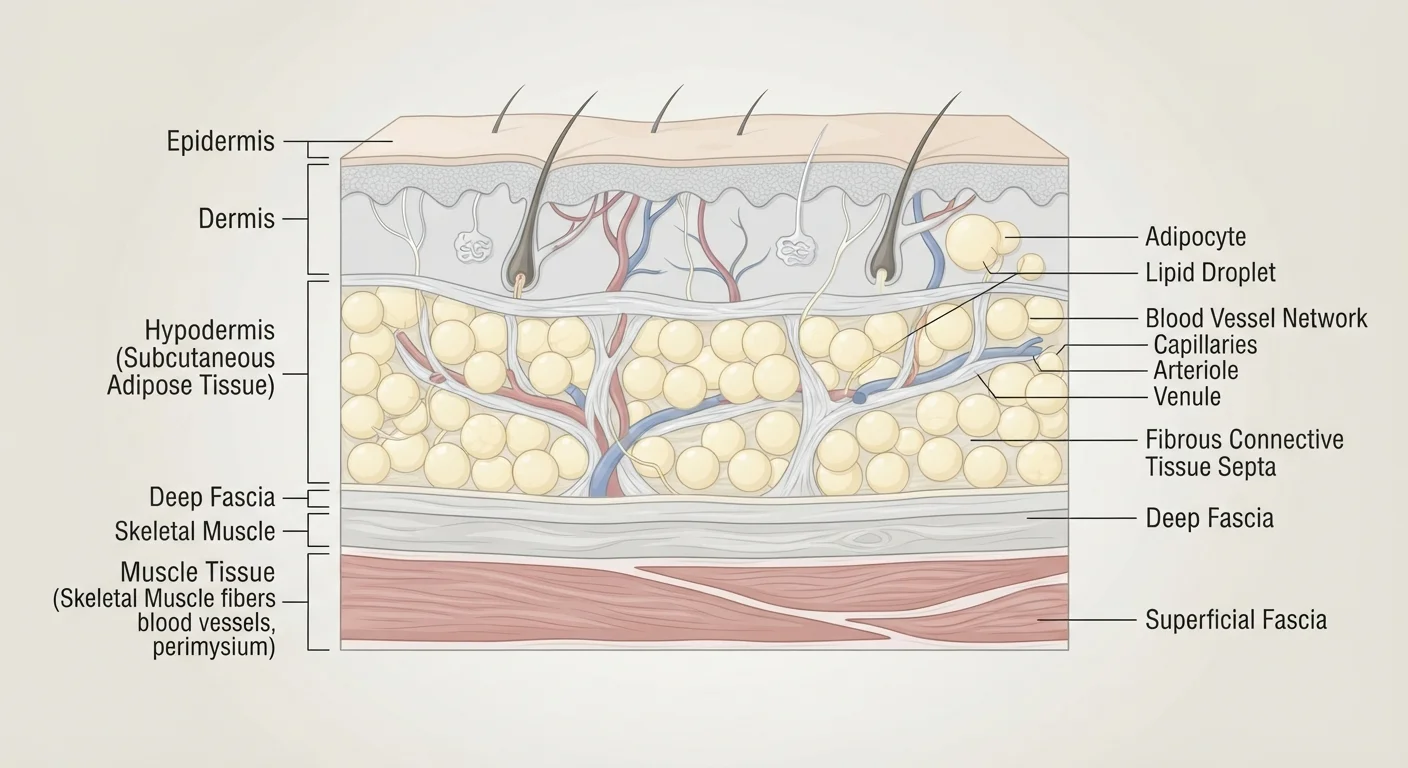
Photo: YetaWellness.com | Explore Trending Blogs editorial
Key Takeaways
- Body fat is metabolically active tissue that performs essential hormonal and protective functions.
- Spot reduction - losing fat in a specific area through targeted exercise - is not supported by science.
- All body fat is not equal; location and type significantly affect health implications.
- A low body fat percentage is not automatically a marker of good health or fitness.
- The relationship between dietary fat intake and body fat accumulation is far more nuanced than once believed.
Why These Myths Persist - and Why Clarity Matters
Popular culture has long reduced body fat to a problem to be eliminated. That framing - amplified by diet marketing, social media, and oversimplified health messaging - has produced a set of persistent myths that science has progressively challenged. Updating our understanding isn't about lowering expectations; it's about replacing inaccurate models with ones that actually reflect how the body works.
The myths below are not fringe beliefs. Many were once reflected in mainstream health guidance before research caught up. Recognizing where the science has moved helps readers make more informed decisions without falling into the traps that diet culture fiction continues to circulate.
Myth
Body fat is just stored calories - passive energy sitting idle until you burn it off.
Fact
Body fat is biologically active tissue that produces hormones, regulates inflammation, and supports immune function.
Adipose tissue - the scientific term for body fat - secretes signaling molecules called adipokines, including leptin, which helps regulate hunger, and adiponectin, which plays a role in insulin sensitivity. Far from inert, fat tissue actively communicates with the brain, liver, and immune system. Understanding this helps explain why both too little and too much fat can disrupt health in meaningful ways.
Myth
You can target fat loss in a specific body part by exercising that area more intensively.
Fact
Spot reduction is a persistent myth; fat loss occurs systemically, not locally in response to targeted muscle work.
When the body draws on stored fat for energy, it does so through a whole-body hormonal process - not by pulling exclusively from the muscles being worked. Multiple controlled studies have found that targeted exercises like crunches or leg lifts do not preferentially reduce fat in those areas. Where fat is lost first is largely determined by genetics, sex hormones, and individual physiology. For a deeper look at this misconception in the exercise context, see Fitness Myths That Keep Beginners Stuck.
Myth
All body fat is essentially the same - more fat simply means worse health outcomes.
Fact
Fat type and location matter enormously; visceral fat carries different health implications than subcutaneous fat.
Subcutaneous fat sits just beneath the skin and, in moderate amounts, is considered relatively benign. Visceral fat, which accumulates around internal organs in the abdominal cavity, is more metabolically active in ways that can elevate inflammation and cardiovascular risk. Essential fat, found in bone marrow, nerves, and organs, is physiologically necessary. Treating all fat as interchangeable oversimplifies a genuinely complex system. The distribution pattern matters as much as total quantity. The Science of Body Fat explores these distinctions in detail.
Myth
Eating dietary fat is what causes body fat to accumulate.
Fact
Body fat accumulation results from overall energy dynamics and metabolic context - dietary fat alone is not the direct cause.
The once-popular idea that fat in food translates directly into fat on the body conflates two different processes. The body stores fat when energy intake consistently exceeds energy expenditure, regardless of whether that surplus comes from fat, carbohydrates, or protein. Hormonal environment, sleep quality, stress, and gut microbiome composition all influence how and where the body stores energy. For related context on macronutrient misconceptions, see macronutrient myths that persist.
Myth
Having very low body fat is always a sign of optimal health and fitness.
Fact
Extremely low body fat can impair hormonal function, immune response, and bone density - there are healthy ranges, not simply lower-is-better thresholds.
Essential fat serves critical functions - supporting hormone production (including sex hormones), protecting organs, and maintaining neurological health. When body fat drops below physiologically necessary levels, the body can respond by suppressing reproductive hormones, reducing bone mineral density, and compromising immune function. Athletes who maintain very low body fat percentages are not automatically in optimal health; many experience performance and hormonal consequences. Health professionals assess body composition in context, not as a race to the lowest number.
What Current Research Actually Supports
The scientific consensus has shifted away from simplistic models of body fat toward a more nuanced, systems-based understanding. Research in adipose biology, endocrinology, and metabolic health has collectively established several durable principles:
- Body fat percentage alone is an incomplete health marker - distribution, type, and metabolic context matter equally.
- Individual variation in fat storage, loss patterns, and metabolic response is substantial and genetically influenced.
- Sustainable changes in body composition are typically gradual and depend on numerous interconnected factors beyond calorie math alone.
~15-31%
Healthy body fat range for adult women
The American Council on Exercise outlines distinct body fat ranges by sex and fitness category, noting that essential fat alone accounts for 10-13% in women.
~2-24%
Healthy body fat range for adult men
Essential fat for men is generally cited at 2-5%, with athlete ranges around 6-13% and general fitness ranges up to 24%, per widely referenced body composition guidelines.
These findings don't render body composition irrelevant to health - they make the conversation more accurate. Readers who want to understand how nutrition-related myths intersect with these issues may also find value in reviewing common nutrition myths on social media.
This article is for general health information and educational purposes only. It is not a substitute for professional medical advice, diagnosis, or treatment. Always consult a qualified healthcare provider with questions about your individual health.
The content on this site is for informational purposes only and is not a substitute for professional advice. Always consult a qualified professional for guidance specific to your situation.