
What Muscle Soreness Is Actually Telling You

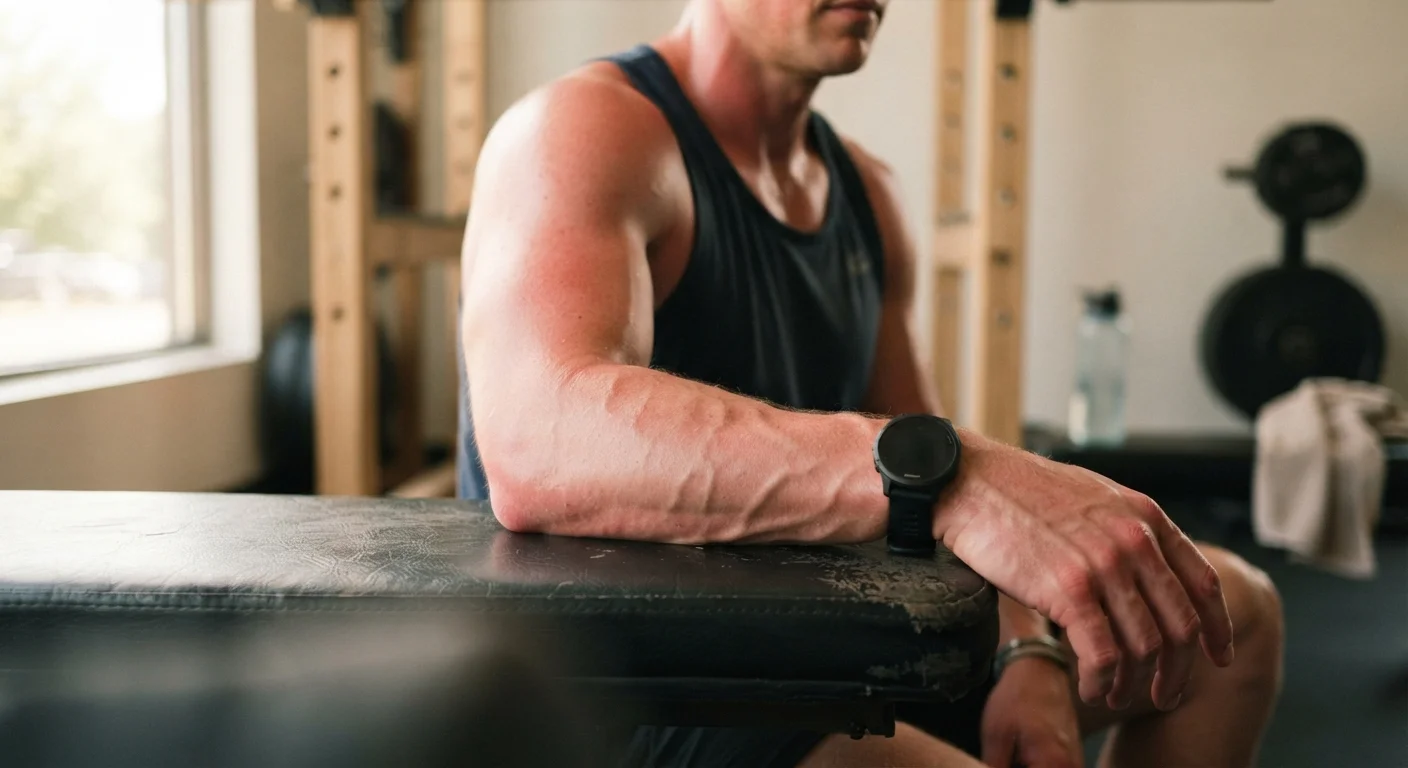
Photo: YetaWellness.com | Explore Trending Blogs editorial
Key Takeaways
- Delayed onset muscle soreness (DOMS) peaks 24–72 hours after exercise and is a normal training response.
- Soreness does not equal a better workout — intensity of soreness is not a reliable measure of progress.
- Sharp, joint-localized, or persistent pain is different from normal muscle soreness and warrants attention.
- Staying lightly active during soreness often helps recovery more than complete rest.
- Consistently feeling no soreness does not mean your training has stopped being effective.
The Difference Between Soreness and Pain
Most people who exercise regularly have felt it: that familiar stiffness and tenderness in muscles a day or two after a hard workout. This is called delayed onset muscle soreness, or DOMS. It typically sets in 12–24 hours after exercise, peaks around 24–72 hours, and gradually fades on its own.
DOMS is caused by microscopic damage to muscle fibers during exercise — particularly during movements where the muscle lengthens under load, called eccentric contractions. Think of the lowering phase of a squat or the downward stroke of a bicep curl. Your body responds to this micro-damage with inflammation and repair, which is part of how muscles adapt and get stronger over time.
However, DOMS is distinctly different from acute pain. Muscle soreness feels like a diffuse, dull ache that's worse when you move the muscle and improves as you warm up. Sharp, stabbing, or joint-localized pain — or pain that starts during exercise rather than hours later — is a different signal. That kind of discomfort may indicate a strain, sprain, or other injury and generally warrants a pause and, depending on severity, a conversation with a healthcare professional.
When Soreness Needs Medical Attention
Common Myths About Muscle Soreness — Corrected
Soreness is one of the most misread signals in fitness. Here are the most widespread misconceptions and what exercise science actually tells us.
Myth
If you're not sore the next day, your workout wasn't hard enough.
Fact
Soreness is not a reliable indicator of workout quality or effectiveness.
DOMS is most pronounced when you introduce new movements or intensity levels your body isn't adapted to yet. As your muscles become more conditioned to a given exercise, the same workout produces less soreness — not because it's easier, but because your body has become more efficient at handling it. Experienced lifters often notice little to no soreness from workouts that are genuinely challenging and productive. Progress can continue without any soreness at all.
Myth
"No pain, no gain" — pushing through soreness makes you stronger.
Fact
Training through mild soreness is generally fine, but ignoring pain signals can lead to injury.
There's a meaningful difference between the dull ache of DOMS and pain that signals tissue damage. Continuing light-to-moderate exercise while mildly sore is typically safe and may even speed recovery. But pushing hard through sharp pain, or training an already-injured area, risks turning a manageable issue into something more serious. Listening to your body's signals — rather than overriding them — is what sustains a long-term fitness practice.
Myth
Lactic acid buildup causes the soreness you feel the day after exercise.
Fact
Lactic acid is cleared from muscles within hours of exercise and does not cause DOMS.
The "lactic acid causes soreness" idea is one of the most persistent myths in fitness — and it's been well-refuted by exercise science. Lactate (the actual compound produced, not lactic acid per se) returns to baseline levels within roughly an hour after exercise ends. The soreness felt 24–72 hours later is primarily caused by the inflammatory response to microscopic muscle fiber damage, particularly from eccentric loading. Understanding this distinction matters because it affects how you think about and treat post-exercise discomfort.
Myth
Stretching before a workout prevents muscle soreness.
Fact
Static stretching before exercise has not been shown to reliably prevent DOMS.
Research does not support the idea that pre-exercise static stretching (holding a stretch for 20–30 seconds) significantly reduces delayed soreness. A proper dynamic warm-up — moving joints through their range of motion in a controlled, active way — is supported for preparing the body for exercise and may reduce acute injury risk. But preventing DOMS specifically comes down to managing training load and progression, not stretching beforehand.
Myth
Soreness always means your muscles are growing.
Fact
Muscle growth (hypertrophy) can occur without soreness, and soreness can occur without meaningful muscle growth.
Hypertrophy depends on consistent mechanical tension, adequate volume, and sufficient recovery — not the presence of DOMS. Athletes who train consistently often experience minimal soreness while still making steady progress. Conversely, doing an unusual or novel activity can produce extreme soreness without contributing significantly to muscle growth. The two processes overlap but are not the same.
What Actually Helps Recovery
Understanding soreness correctly changes how you should respond to it. A few evidence-supported strategies can help your muscles recover more efficiently:
- Light movement: Low-intensity activity like walking or gentle stretching increases blood flow to sore muscles, which can ease discomfort. Complete rest is rarely the optimal choice for DOMS.
- Adequate protein: Muscle repair depends on amino acids. General public health guidance supports spreading protein intake across meals throughout the day to support recovery, though exact needs vary by individual.
- Sleep: Much of the muscle-rebuilding process happens during deep sleep. Prioritizing consistent, quality sleep supports both recovery and long-term adaptation.
- Hydration: Staying well-hydrated supports overall cellular function, including the repair processes triggered by exercise.
Cold water immersion and foam rolling are often discussed as recovery tools. Research on their benefits is mixed and context-dependent, so they may help some people and not others — experimentation is reasonable, but neither is required.
This article is for general informational purposes only and is not a substitute for professional medical advice. If you experience persistent, worsening, or unusual pain after exercise, consult a qualified healthcare provider.
The content on this site is for informational purposes only and is not a substitute for professional advice. Always consult a qualified professional for guidance specific to your situation.