
Common Misconceptions About Aging and Physical Decline

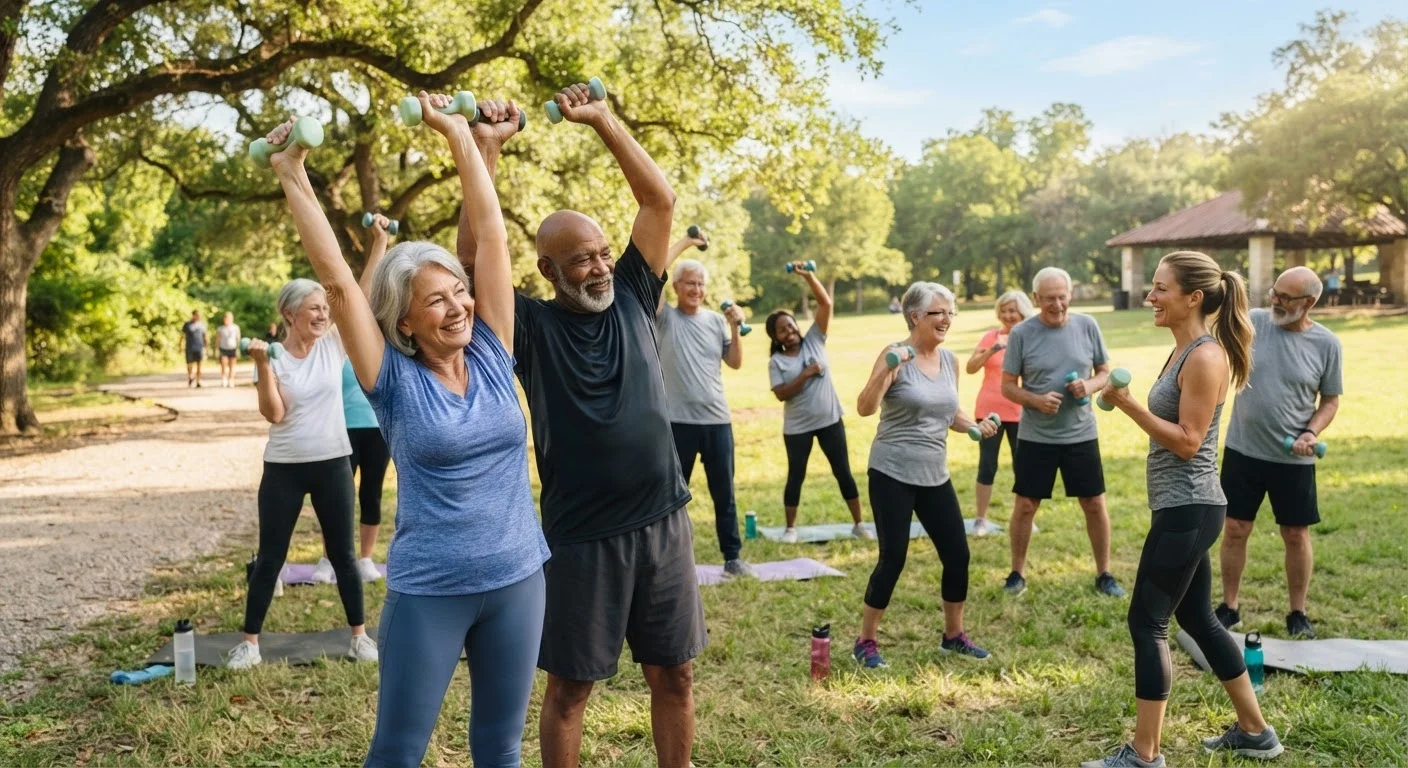
Photo: YetaWellness.com | Explore Trending Blogs editorial
Key Takeaways
- Significant muscle loss is not inevitable with age — resistance training can maintain and rebuild strength.
- Flexibility does decline with age, but regular stretching meaningfully slows that decline.
- Fatigue and low energy in older adults often have treatable causes unrelated to aging itself.
- Many physical changes attributed to aging are better explained by inactivity and lifestyle factors.
- Research consistently shows that adults in their 60s, 70s, and beyond respond well to structured exercise.
Why These Myths Persist — and Why They Matter
Misconceptions about physical aging are remarkably durable. They circulate through casual conversation, outdated health messaging, and even some clinical assumptions that haven't kept pace with current evidence. When older adults internalize the belief that decline is automatic and irreversible, it can become a self-fulfilling prophecy — discouraging the very behaviors that research shows to be most protective.
The consequences are practical. A person who believes fatigue is simply "what getting older feels like" may not seek evaluation for a treatable thyroid condition. Someone convinced that exercise is futile after 65 may skip the resistance training that could preserve their independence. Separating fact from myth isn't merely an academic exercise — it directly shapes the decisions people make about their own health. For a parallel look at how myths affect another domain of aging, see common misconceptions about memory loss and aging.
The Myths, Corrected
The following myth-and-fact pairs address the most widespread and consequential misconceptions about physical aging. Each is grounded in current evidence from gerontology, exercise science, and preventive medicine.
Myth
Muscle loss is an unavoidable part of getting older — once you pass a certain age, strength just disappears.
Fact
While age-related muscle loss (sarcopenia) is real, it is significantly influenced by activity level and can be slowed or partially reversed with resistance training at any age.
Sarcopenia — the gradual loss of skeletal muscle mass and function — does begin in midlife, but the rate and severity are far from fixed. Research published in sports medicine and gerontology journals consistently shows that older adults who engage in progressive resistance training can increase muscle mass and strength, even into their 80s. The muscle fibers most affected by aging respond directly to the stimulus of load-bearing exercise. What looks like inevitable decline is often decades of underuse. For a closer look at what the science says about timing and progression, see what research says about muscle mass decline with age.
Myth
Flexibility is something you either have or you don't — and aging means you'll just get stiffer.
Fact
Connective tissue does change with age, reducing natural flexibility, but consistent stretching practice demonstrably preserves and improves range of motion in older adults.
Collagen in tendons and ligaments becomes less pliable over time, and joint fluid volume can decrease — both contributing to stiffness. However, these are modifiable through habit. Studies in older populations show that regular static and dynamic stretching programs improve flexibility measures and reduce fall risk. Yoga and tai chi, both well-studied in older adults, have demonstrated benefits for balance and range of motion. Stiffness that is dismissed as "just aging" is often primarily the result of sedentary behavior that accumulated over years.
Myth
Feeling constantly tired is just what getting older feels like — low energy is a normal, untreatable part of aging.
Fact
Persistent fatigue in older adults frequently has identifiable, treatable causes including nutritional deficiencies, thyroid dysfunction, sleep disorders, depression, or physical deconditioning.
While energy regulation does shift with age — partly due to changes in mitochondrial function and sleep architecture — chronic fatigue is not simply a baseline condition of being older. Clinicians routinely find that fatigue in older patients is attributable to factors such as iron-deficiency anemia, vitamin B12 or vitamin D deficiency, hypothyroidism, obstructive sleep apnea, or medication side effects. Deconditioning — reduced cardiovascular capacity from inactivity — is itself a major and reversible driver of low energy. Nutritional habits also play a critical role; see how protein and hydration habits affect aging bodies for context on dietary factors.
Myth
There's no point in starting to exercise later in life — the benefits are only meaningful if you've been active your whole life.
Fact
Beginning a structured exercise program in later life produces genuine, measurable health benefits regardless of prior fitness history.
The body's adaptive capacity does not simply switch off at a given birthday. Landmark studies — including the HERITAGE Family Study and work by the National Institute on Aging — have documented cardiovascular, metabolic, and muscular improvements in previously sedentary older adults who began exercise programs. Bone density, insulin sensitivity, and cognitive function all show positive responses to physical activity initiated in later decades. The improvements may not mirror those of a lifelong athlete, but they are clinically significant and reduce risk of falls, chronic disease, and functional dependence. You can also explore the broader picture of how the body changes over time to understand which shifts are modifiable.
Myth
Metabolism crashes dramatically after 40, making weight gain essentially automatic with age.
Fact
Metabolic rate does decline modestly with age, but research suggests the change is more gradual and nuanced than popular belief holds, and lifestyle factors play a major role.
A large-scale analysis published in Science in 2021 found that total energy expenditure remains relatively stable between ages 20 and 60, declining only modestly thereafter. Much of the apparent "metabolic slowdown" associated with middle age reflects muscle mass loss from inactivity — muscle tissue burns more calories at rest than fat tissue. Addressing this through body composition — the ratio of muscle to fat — is therefore more actionable than blaming metabolism alone. For a detailed breakdown of what the science says, see the aging metabolism: separating myth from biology.
This article is for informational purposes only and is not a substitute for professional medical advice. Always consult a qualified healthcare provider about your individual health needs.
What This Means for Your Daily Decisions
The evidence points in a consistent direction: many of the physical changes most people associate with aging are driven — or significantly worsened — by inactivity, nutritional gaps, and unaddressed health conditions rather than by age itself. That distinction is empowering rather than demanding. It means that modest, sustained changes to daily routine carry real weight.
This Is General Information, Not Medical Advice
Movement, adequate protein intake, quality sleep, and regular medical check-ins are not aspirational ideals reserved for the exceptionally disciplined. They are the practical behaviors that research identifies as most influential in preserving physical function across the decades. The goal isn't to avoid aging — it's to age with the best possible information in hand. For those curious about specific fitness beliefs that may be holding them back, fitness myths that keep beginners stuck offers additional evidence-based perspective.
The content on this site is for informational purposes only and is not a substitute for professional advice. Always consult a qualified professional for guidance specific to your situation.