
What Mindfulness Actually Is (And What It Isn't)

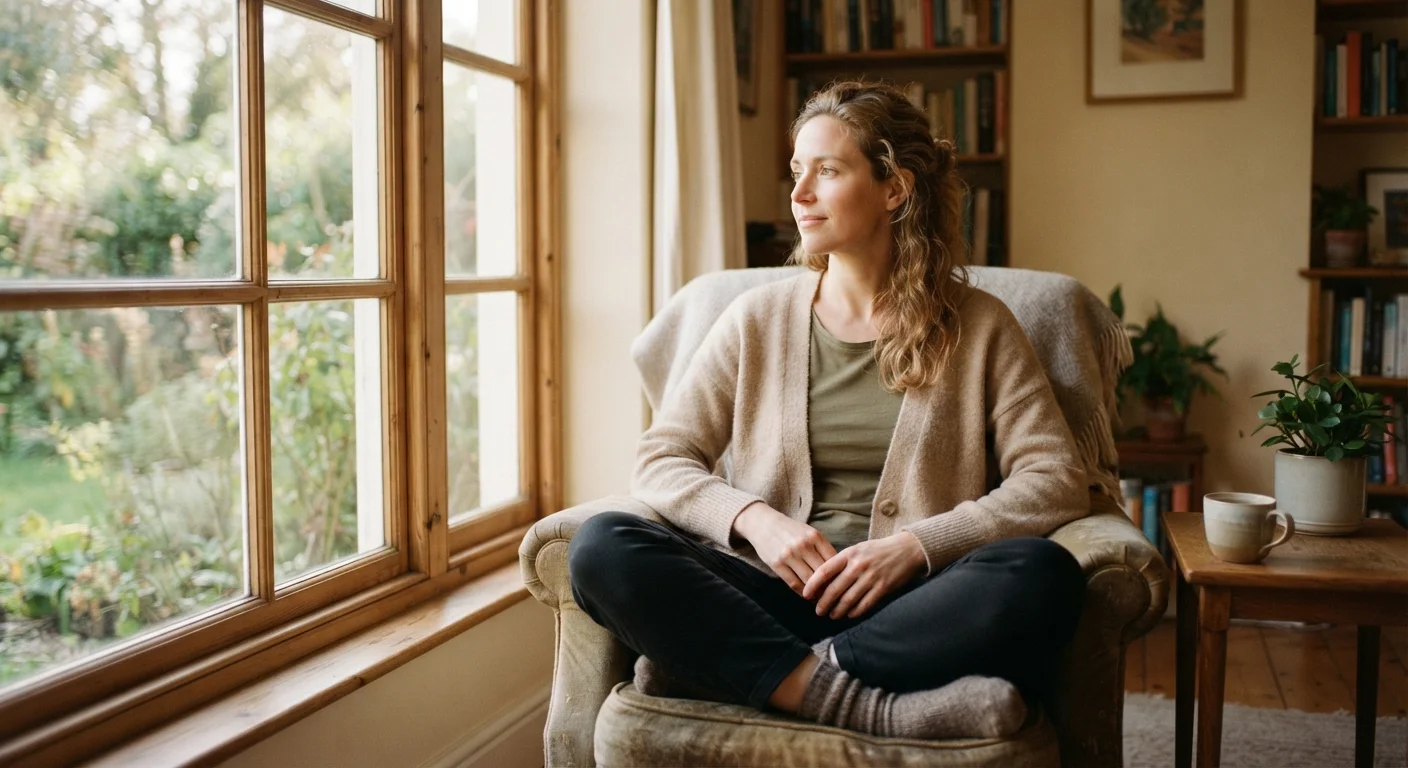
Photo: YetaWellness.com | Explore Trending Blogs editorial
Key Takeaways
- Mindfulness means noticing your present experience without judging it — not emptying your mind.
- It is a learnable skill, not a personality trait or spiritual requirement.
- Even brief moments of mindful attention throughout the day can build the habit.
- Mindfulness is distinct from relaxation — you can be mindful while feeling anxious or stressed.
- Research supports mindfulness as a tool for reducing stress reactivity and improving emotional regulation.
The Word Gets Used a Lot — But What Does It Actually Mean?
"Mindfulness" appears on wellness apps, corporate training slides, and morning TV segments. That visibility is partly a good thing — it signals wider cultural openness to mental health. But the word has also become so stretched that it can feel meaningless or, worse, like another productivity demand dressed in spiritual clothing.
At its core, mindfulness has a precise, research-tested definition: deliberately paying attention to present-moment experience — thoughts, feelings, sensations, surroundings — with openness and without judgment. That's it. No incense required. No particular belief system. No prior experience.
The concept was brought into mainstream medicine largely through the work of Jon Kabat-Zinn, who developed Mindfulness-Based Stress Reduction (MBSR) at the University of Massachusetts in the late 1970s. His framework grounded contemplative attention practices in measurable clinical outcomes, opening the door to decades of peer-reviewed research on how mindful awareness affects the brain and body.
What Mindfulness Is NOT
Clearing up the misconceptions is often more useful than another definition. If you've bounced off mindfulness before, one of these myths may be why. For a deeper look at the most common barriers, see our guide on mindfulness myths that make it harder to start.
Start With Noticing, Not Changing
- Not emptying your mind. The goal is not to stop thinking. Thoughts will arise — the practice is noticing them without getting swept away.
- Not relaxation. Mindfulness can lead to calm, but it isn't the same as relaxation. You can be mindfully aware while feeling anxious, bored, or uncomfortable.
- Not a religious practice. While mindfulness has roots in Buddhist traditions, the secular clinical version involves no spiritual requirements or commitments.
- Not something you're either good or bad at. Every time your mind wanders and you notice it, that moment of noticing is the practice. There's no failing.
- Not only for people who are calm by nature. If anything, people who find stillness difficult often benefit most from consistent practice.
What the Research Actually Shows
Decades of peer-reviewed studies have examined mindfulness-based interventions across a range of populations. The evidence is strongest for reducing stress reactivity, supporting emotional regulation, and improving quality of life for people managing chronic pain or anxiety. A landmark meta-analysis published in JAMA Internal Medicine found moderate evidence that mindfulness meditation programs improved anxiety, depression, and pain outcomes.
It's worth noting what the research doesn't show: mindfulness is not a cure for clinical disorders, and not every study uses the same definition or delivery method. The field is active and still evolving. What holds across most high-quality studies is that regular, intentional practice — not passive familiarity with the concept — produces the clearest benefits.
47%
Time minds spend wandering from the present
A Harvard study using experience-sampling found that people's minds wander nearly half their waking hours — underscoring why present-moment attention requires intentional practice.
8 weeks
Typical MBSR program duration showing measurable change
The standard Mindfulness-Based Stress Reduction (MBSR) protocol runs eight weeks, the duration most commonly associated with measurable reductions in self-reported stress and anxiety in clinical trials.
Moderate
Evidence strength for mindfulness reducing anxiety
A systematic review in JAMA Internal Medicine rated the evidence for mindfulness meditation improving anxiety, depression, and pain as moderate — meaningful but not conclusive for all conditions.
For a broader view of how mindfulness connects to rest, sleep, and mental recovery, the complete overview of mindfulness and rest covers the full picture.
How to Actually Practice It (Starting Today)
You don't need an app, a cushion, or a quiet room. Here are three entry points that work for busy schedules:
- The one-breath reset. Before opening your phone in the morning, take one slow breath and notice how it feels — the air entering, your chest or belly rising, the exhale. That 10-second pause is mindfulness.
- Mindful eating. During one meal or snack today, put down your phone and pay attention to flavor, texture, and hunger cues for just the first few bites. You're practicing present-moment attention.
- The "noticing" walk. On any walk, pick one sense — sound, for example — and notice five distinct sounds in your environment. This is structured present-moment awareness, applied in daily life.
None of these take extra time. They redirect attention that's already happening. Over days and weeks, these small redirections build the mental habit that longer formal practice deepens.
This article is for general informational and educational purposes only and is not a substitute for professional medical or mental health advice. If you are managing a mental health condition, please consult a qualified healthcare provider.
Frequently Asked Questions
The content on this site is for informational purposes only and is not a substitute for professional advice. Always consult a qualified professional for guidance specific to your situation.