
Mood vs. Emotion: Understanding the Difference and Why It Changes How You Respond

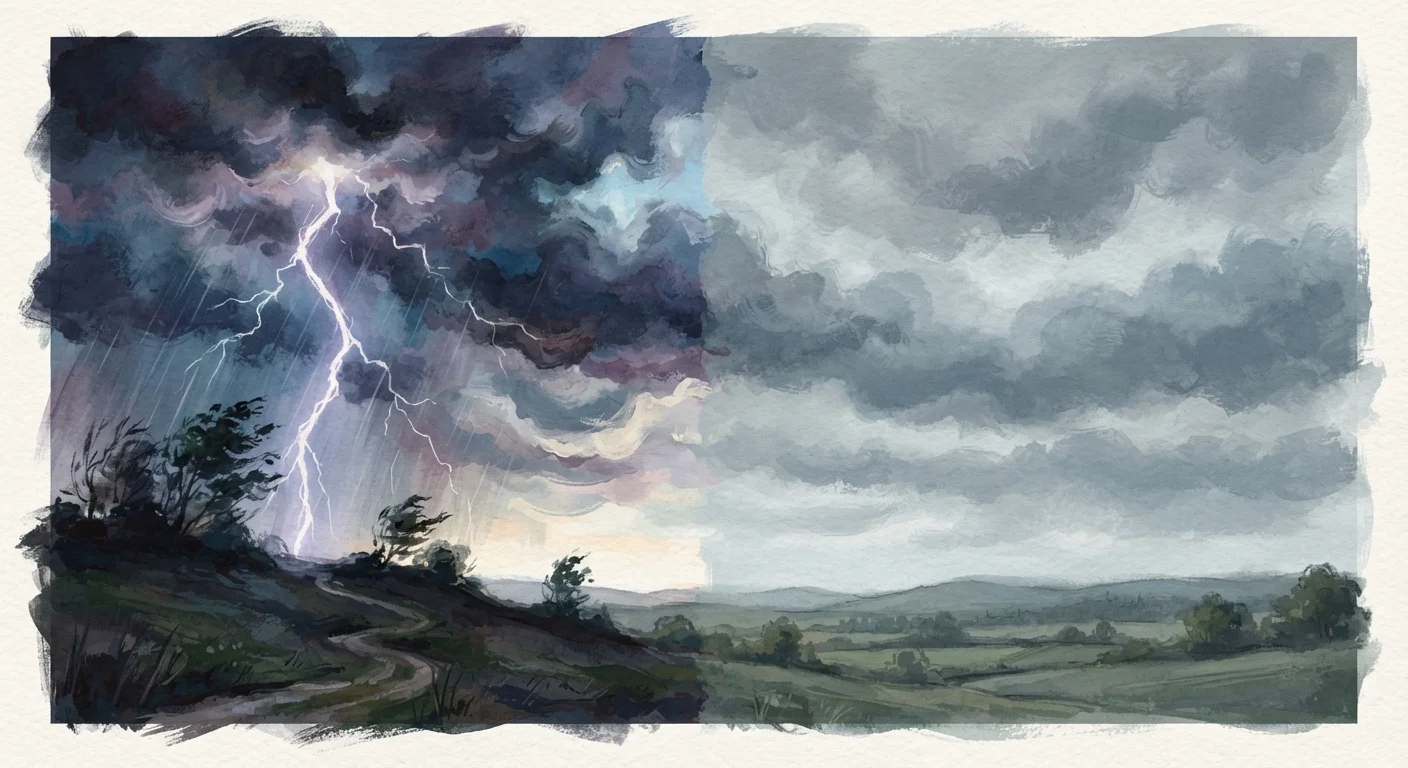
Photo: YetaWellness.com | Explore Trending Blogs editorial
Key Takeaways
- Emotions are short-lived, intense responses tied to a specific trigger or event.
- Moods are longer-lasting background states that influence how you perceive and react to the world.
- Confusing moods with emotions can lead to misattributing blame or missing the real source of distress.
- Recognizing which state you're in helps you choose a more effective and compassionate response.
- Both moods and emotions are normal — neither needs to be eliminated, only understood.
Two Very Different Inner Experiences
Most people use the words mood and emotion interchangeably. That's understandable — both involve feelings, both shape behavior, and both matter to mental wellness. But psychologists treat them as meaningfully distinct, and that distinction has real practical consequences for how you respond to yourself and the people around you.
An emotion is typically brief, intense, and tied to a specific trigger. You receive difficult news — you feel grief. A stranger cuts you off in traffic — anger flares. These responses are usually over in seconds to minutes, and they carry identifiable information about what just happened. Emotions evolved as fast-response signals, and they are.
A mood, by contrast, is a diffuse, longer-lasting background state — often without a clear cause you can put your finger on. You wake up feeling vaguely flat or edgy and carry that tone through the whole day. Moods can stretch for hours or even days, quietly coloring how you interpret everything: a neutral comment feels like criticism; an ordinary task feels Sisyphean. For a deeper look at how both connect to long-term mental health, see this comprehensive overview.
How They Differ: A Side-by-Side Look
Understanding the core contrasts can help you recognize which state you're navigating in real time.
| Criterion | Emotion | Mood |
|---|---|---|
| Duration | Seconds to minutes | Hours to days |
| Intensity | Often sharp and intense | Lower intensity, more diffuse |
| Trigger | Identifiable event or stimulus | Often unclear or cumulative |
| Awareness | Usually noticed immediately | May go unrecognized for a while |
| Effect on perception | Focused on the triggering event | Colors all perception broadly |
| Best response strategy | Name, understand, and address trigger | Behavioral and routine adjustments |
One important nuance: emotions can feed into moods. A sequence of frustrating events across a morning can accumulate into a grumpy mood that lingers well past the original triggers. And a pre-existing low mood can amplify the intensity of emotions — making a minor setback feel devastating. They interact constantly, which is part of why they're so easy to conflate.
Why the Distinction Changes How You Respond
Mistaking a mood for an emotion — or vice versa — leads to unhelpful responses. If you're in a low mood and interpret it as a specific emotion triggered by your partner's tone at breakfast, you may start a conflict rooted in a misattribution. Conversely, if a genuine emotional signal (say, recurring sadness tied to a specific situation) gets written off as just "being in a mood," the underlying issue goes unaddressed.
When you recognize you're in a mood, the most effective strategies tend to be behavioral: getting enough sleep, moving your body, spending time with someone you trust, or simply waiting it out with self-compassion rather than hunting for a villain. Mood states often respond better to environment and routine changes than to analysis.
When you recognize you're experiencing a emotion, naming it precisely tends to be the most powerful first step. Research consistently links emotion granularity — the ability to distinguish between, say, "disappointed" and "betrayed" — with greater psychological resilience. Naming your feelings more precisely is a learnable skill with measurable mental health benefits.
From there, you can ask: What is this emotion telling me? Does it call for action, for communication, or just acknowledgment? That reflective pause is exactly what separates reactive spiraling from intentional response. For more on that distinction, see reactive vs. reflective responding.
This article is for general informational and educational purposes only and is not a substitute for professional mental health advice, diagnosis, or treatment. If you are experiencing persistent or distressing emotional states, please consult a qualified mental health professional.
The content on this site is for informational purposes only and is not a substitute for professional advice. Always consult a qualified professional for guidance specific to your situation.