
The Gut-Brain Connection: How Digestion Influences How You Feel

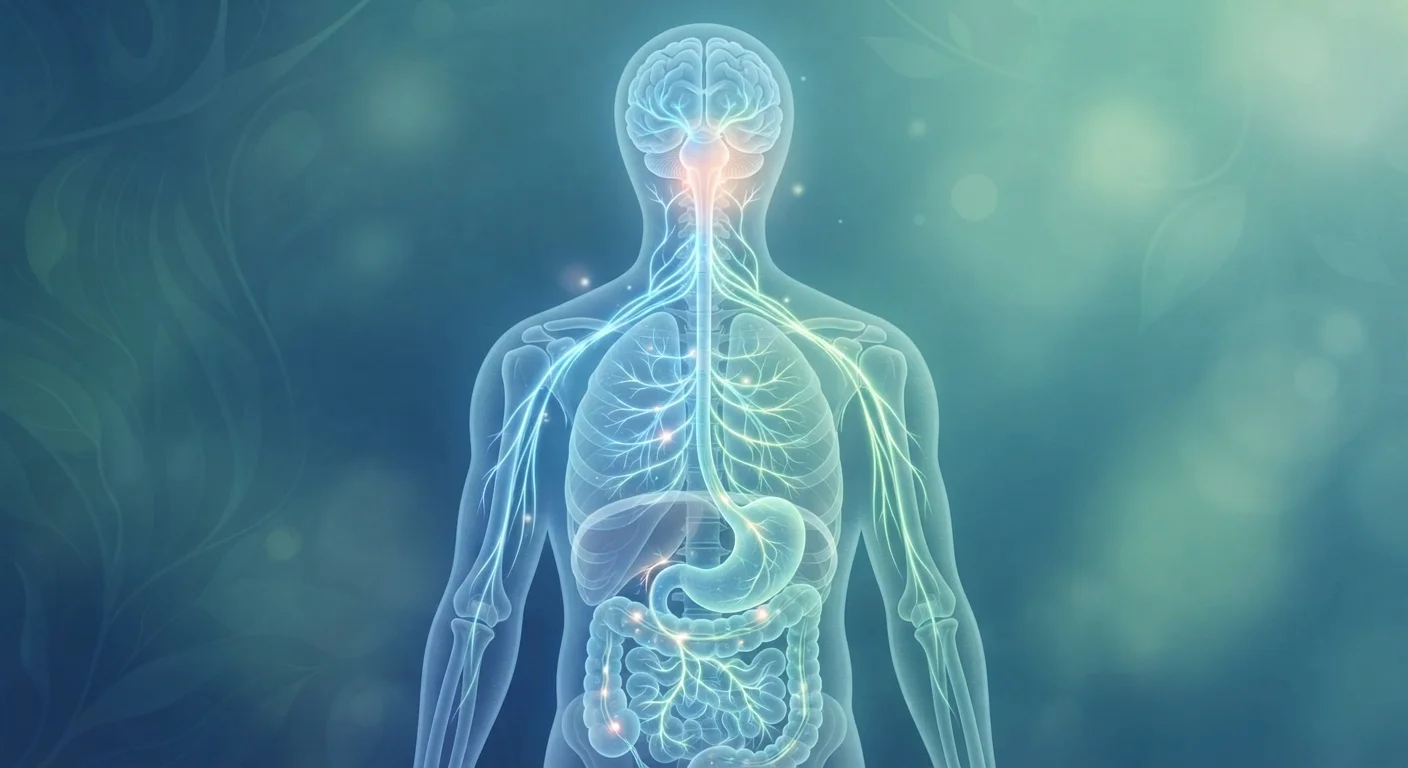
Photo: YetaWellness.com | Explore Trending Blogs editorial
Key Takeaways
- Your gut and brain are in constant two-way communication through nerves, hormones, and microbes.
- About 90–95% of the body's serotonin is produced in the gut, not the brain.
- Chronic stress can disrupt gut microbiome balance, which may in turn affect mood.
- Dietary patterns associated with diverse gut bacteria are also linked to better emotional well-being.
- The gut-brain connection is an active area of research — promising but still evolving.
- Consult a healthcare professional before making significant changes to diet or treatment.
More Than a Gut Feeling
Most of us have experienced it — a knot in the stomach before a stressful meeting, or a sudden loss of appetite during a hard week. These sensations are not just figures of speech. They reflect a genuine, scientifically recognized link between the digestive system and the brain that researchers are still working to fully understand.
This relationship, often called the gut-brain axis, involves a continuous exchange of signals traveling in both directions. Your emotional state shapes how your gut functions, and the state of your gut can shape how you feel emotionally. Understanding this connection offers a new lens for thinking about everyday wellness — one that goes well beyond what you eat for energy.
For a broader look at how emotions and mental health intersect, see our complete overview of mood and emotional health.
The Science Behind the Axis
The gut and brain communicate through several overlapping systems. The vagus nerve — the longest cranial nerve in the body — serves as a major superhighway, carrying signals between the brainstem and nearly every organ in the abdomen. Roughly 80% of the fibers in the vagus nerve carry information from the gut to the brain, meaning your digestive system is doing a lot of the talking.
The gut also houses the enteric nervous system, a dense web of around 500 million neurons embedded in the lining of the gastrointestinal tract. This system can regulate digestion independently of the brain, which is why it earned the nickname "the second brain."
Perhaps most surprisingly, the gut produces a significant share of the body's neurotransmitters — chemical messengers classically associated with mood. Research estimates that roughly 90–95% of the body's serotonin, a neurotransmitter involved in mood regulation, is synthesized in the gut. Gut microbes appear to play a role in this production, though researchers are still mapping exactly how.
90–95%
Of body's serotonin produced in the gut
Research consistently finds that the vast majority of serotonin synthesis occurs in the gastrointestinal tract rather than the brain.
~500 million
Neurons in the enteric nervous system
The enteric nervous system, lining the gut wall, contains roughly 500 million neurons — comparable in complexity to the spinal cord.
80%
Of vagus nerve fibers run gut-to-brain
Studies of vagal nerve composition indicate that the majority of its fibers transmit sensory information from the gut up to the brain.
The Role of the Gut Microbiome
Your gut is home to trillions of microorganisms — bacteria, fungi, and viruses — collectively known as the gut microbiome. This community is increasingly recognized as a dynamic participant in the gut-brain conversation, not merely a passive bystander.
Studies in both animals and humans suggest that the diversity and composition of gut bacteria may influence stress reactivity, inflammation, and even behavior. When the microbiome is disrupted — through illness, antibiotic use, or chronic stress — this balance can shift in ways that may have downstream effects on emotional well-being. Conversely, ongoing psychological stress can alter microbial populations, creating a potential feedback loop.
It is important to note that this field — sometimes called psychobiotics — is still emerging. Researchers have not established definitive causal links in humans, and most clinical applications remain under investigation. The science is promising but not yet conclusive enough to make sweeping recommendations.
What This Means for Everyday Choices
You do not need to become a microbiome expert to make choices that support both gut and mental health. Several lifestyle factors that researchers associate with a healthy gut microbiome — like eating a varied diet rich in fiber and fermented foods, managing chronic stress, staying physically active, and getting enough sleep — align closely with general mental wellness practices.
Chronic stress is worth particular attention. Stress activates the body's fight-or-flight response, which can divert resources away from digestion, alter gut motility, and over time influence microbial balance. This is part of why mental health and digestive symptoms so often travel together. For more on how stress intersects with other physical systems, explore how stress and sleep affect body weight and appetite.
Sleep is another lever worth considering. Poor sleep is associated with both mood disruption and gut health changes — a pattern explored further in our article on restorative sleep and mental health.
Small Steps That Support Both Gut and Mind
This article is for general informational purposes only and is not a substitute for professional medical or mental health advice. If you are experiencing persistent digestive symptoms, mood disturbances, or anxiety, please consult a qualified healthcare provider.
Frequently Asked Questions
The content on this site is for informational purposes only and is not a substitute for professional advice. Always consult a qualified professional for guidance specific to your situation.