
Breathing Techniques for Calming a Stressed Nervous System

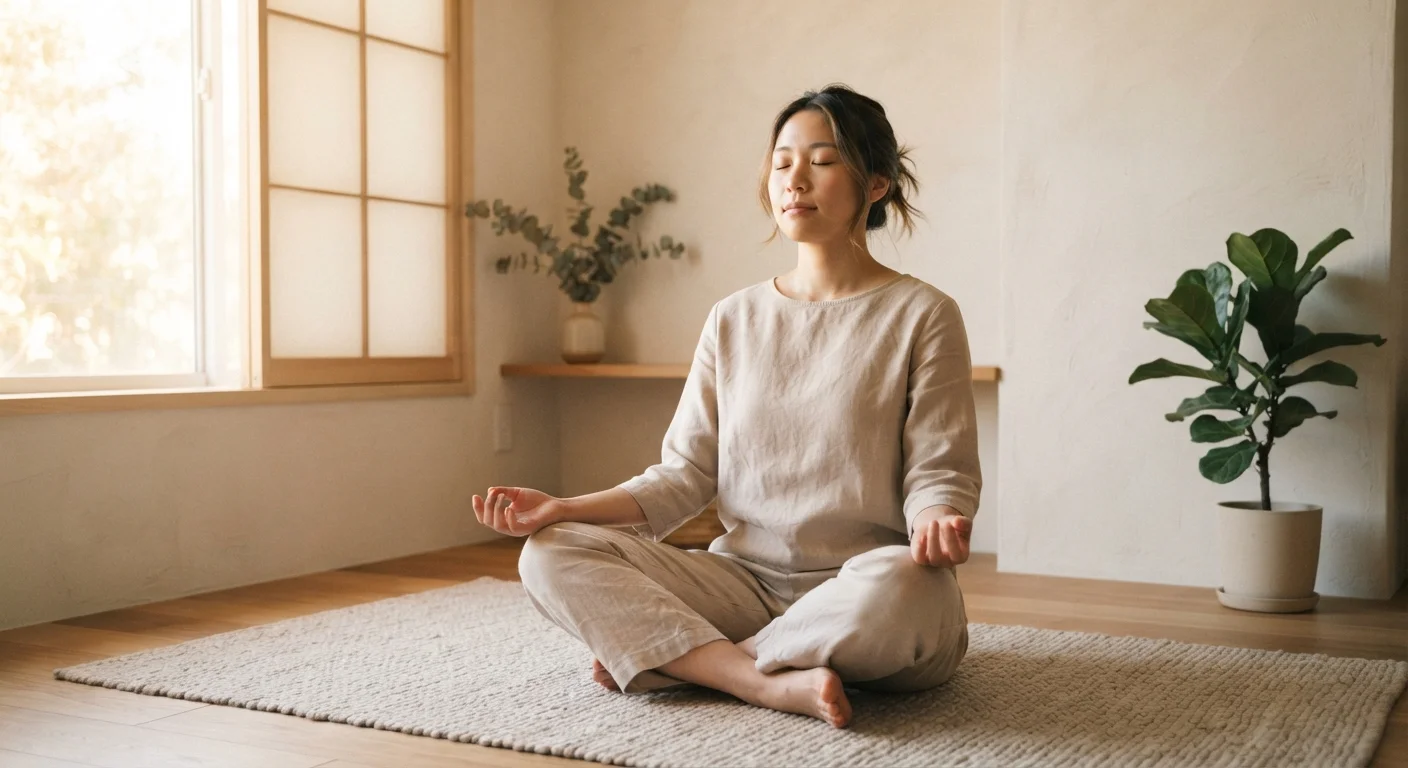
Photo: YetaWellness.com | Explore Trending Blogs editorial
Key Takeaways
- Slow, controlled breathing activates the parasympathetic nervous system, counteracting the stress response.
- Several evidence-informed techniques exist — different methods suit different situations and preferences.
- Most techniques can be practiced in under five minutes with no equipment required.
- Consistency over time tends to produce more lasting benefit than occasional use.
- Breathing exercises complement — but do not replace — professional care for anxiety or related conditions.
Why Breathing Affects Your Stress Response
When stress hits, your body activates the sympathetic nervous system — the "fight or flight" system — triggering faster breathing, a racing heartbeat, and muscle tension. This response is genuinely protective in short bursts. The problem is that modern stressors often keep this system switched on long after the immediate pressure has passed.
Controlled breathing offers a direct pathway to interrupt that cycle. By deliberately slowing and deepening your breath, you stimulate the vagus nerve, which signals the parasympathetic nervous system — sometimes called the "rest and digest" system — to take over. Heart rate slows, blood pressure tends to ease, and the physiological sense of urgency begins to lift. Research published in clinical and physiological journals supports this mechanism, though it's worth noting that individual responses vary.
For a broader look at how breathing compares to other evidence-informed approaches, see our comparison of common stress-relief methods. You may also find it useful to pair breathing practice with grounding techniques for anxious moments when stress feels especially intense.
What you will need
Step-by-Step: Four Techniques to Try
The techniques below are among the most widely studied and clinically referenced breathing practices. Start with one that feels manageable and practice it consistently before adding others. None of these are medical treatments — they are general wellness strategies. If you have a respiratory condition, panic disorder, or another health concern, please consult a qualified healthcare professional before beginning.
Diaphragmatic (Belly) Breathing
Place one hand on your chest and one on your abdomen. Inhale slowly through your nose for about 4 counts, allowing your belly — not your chest — to rise. Exhale gently through pursed lips for 6 counts, feeling your belly fall. The hand on your chest should move very little. Practice for 3–5 minutes.
This technique encourages full oxygen exchange and is often recommended as a foundational skill before learning more structured methods.
Box Breathing (4-4-4-4)
Sit upright with your feet flat on the floor. Inhale through your nose for 4 counts. Hold your breath for 4 counts. Exhale through your mouth for 4 counts. Hold for 4 counts before the next inhale. Repeat this cycle 4–6 times. The equal-ratio structure creates a rhythmic pattern that many people find stabilizing during acute stress.
4-7-8 Breathing
Inhale quietly through your nose for 4 counts. Hold your breath for 7 counts. Exhale completely through your mouth — making a gentle whoosh sound — for 8 counts. This is one cycle. Begin with 3–4 cycles. The extended exhale is the key mechanism: a longer out-breath amplifies parasympathetic activation more than a longer inhale.
Resonance (Coherence) Breathing
Breathe in slowly for 5 counts and out for 5 counts, establishing a steady 5-second inhale / 5-second exhale rhythm. Aim for approximately 6 full breath cycles per minute. Research suggests this pace may optimize heart rate variability — a physiological marker associated with greater stress resilience — though findings are still evolving. Practice for 5–10 minutes for a fuller effect.
Start Small and Build Gradually
Making It a Sustainable Practice
The real benefit of breathing techniques comes from regularity, not intensity. Even two or three minutes practiced daily can help recalibrate how your nervous system responds to everyday pressure over time. Think of it less like a fire extinguisher and more like maintenance — something you do consistently rather than only in crisis moments.
Pairing breathing practice with supportive daily habits may amplify its effects. Our article on daily habits that support a less reactive stress response explores how small, repeatable behaviors can build resilience over weeks and months. Movement is also a valuable companion — though the relationship between exercise and stress relief is more nuanced than it's often presented; what the evidence actually supports is worth understanding.
If stress or anxiety is significantly affecting your daily functioning, relationships, or sleep, please reach out to a licensed mental health professional. Breathing exercises can be a meaningful part of a self-care toolkit, but they are not a substitute for clinical support when it's needed.
This article is for informational purposes only and does not constitute medical or mental health advice. Always consult a qualified healthcare provider for personal health concerns.
The content on this site is for informational purposes only and is not a substitute for professional advice. Always consult a qualified professional for guidance specific to your situation.