
The Science of What Stress Actually Does to Your Body

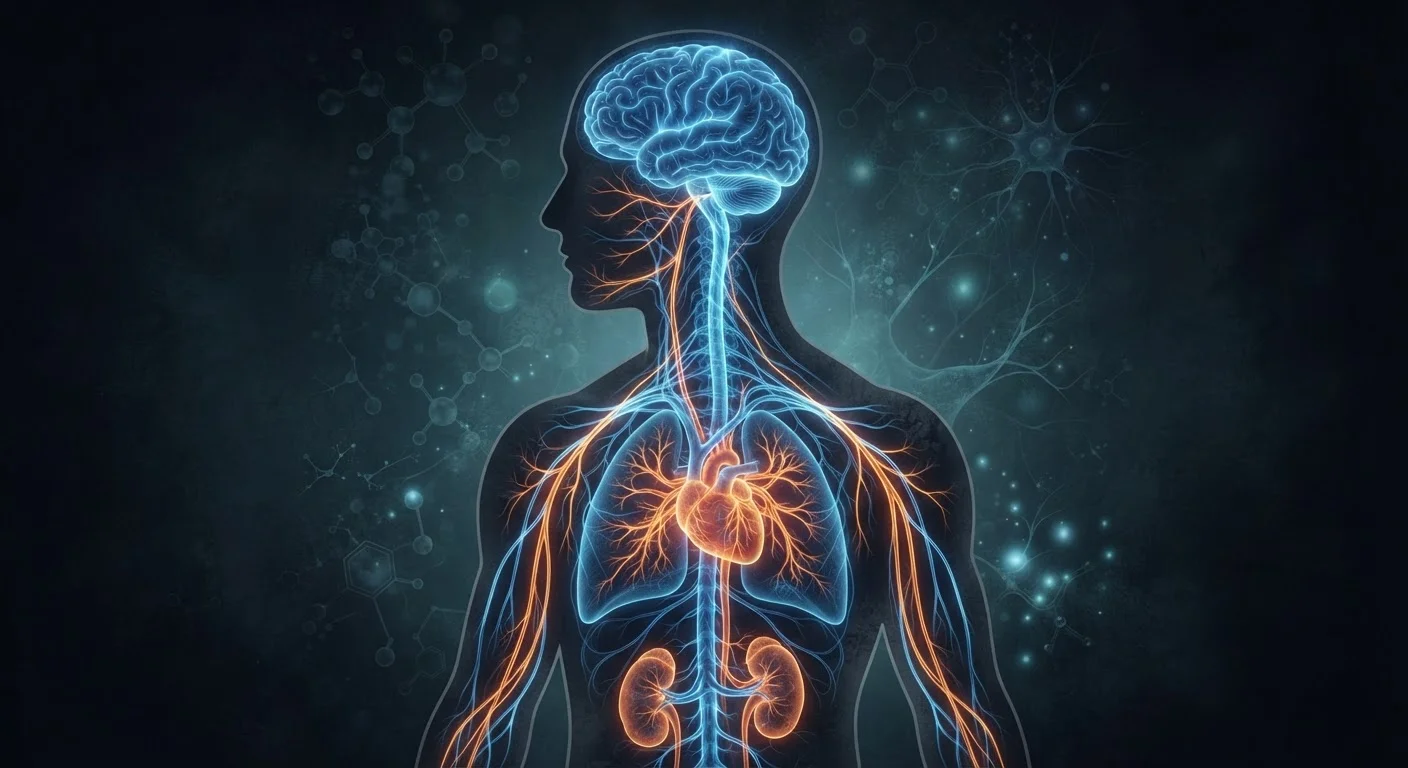
Photo: YetaWellness.com | Explore Trending Blogs editorial
Key Takeaways
- Stress triggers a hormonal cascade involving adrenaline and cortisol within seconds of perceiving a threat.
- Short-term stress is normal and even useful; chronic stress is where measurable health risks emerge.
- The body's stress response affects the heart, muscles, digestion, immune system, and brain simultaneously.
- Simple, evidence-informed habits — like controlled breathing — can help downregulate the stress response.
- Persistent or severe stress symptoms warrant a conversation with a qualified healthcare professional.
The First Few Seconds: Your Brain Sounds the Alarm
The moment your brain registers a threat — whether it's a near-miss on the highway or a tense email from your boss — a small almond-shaped region called the amygdala fires an alert. This signal reaches the hypothalamus, which acts like a command center, instantly activating the sympathetic nervous system.
Within seconds, your adrenal glands release adrenaline (epinephrine). Your heart rate climbs, breathing quickens, and blood is redirected away from digestion toward your large muscles. Pupils dilate. Your liver releases glucose for quick energy. This is the classic fight-or-flight response — and for our ancestors facing physical danger, it was lifesaving.
What makes this remarkable is its speed and totality. Your body doesn't wait for conscious thought. By the time you've registered that something feels wrong, the cascade is already underway. For a broader overview of how this system works from the ground up, this plain-language guide to the stress response is a useful companion read.
Cortisol: The Slower, Longer Wave
While adrenaline drives the immediate surge, cortisol is the hormone that sustains the response. Released by the adrenal cortex following signals from the hypothalamic-pituitary-adrenal (HPA) axis, cortisol keeps blood sugar elevated, suppresses non-essential functions like digestion and reproduction, and modulates immune activity.
In short bursts, cortisol is helpful — it maintains focus and keeps energy available. But cortisol takes longer to clear the body than adrenaline does. When stressors pile up without recovery time, cortisol levels can remain chronically elevated. Research links persistently high cortisol to disrupted sleep, weight changes, reduced immune function, and over time, potential changes in brain structure and memory. For more on that last point, see how prolonged cortisol exposure may influence the aging brain.
77%
Americans reporting physical stress symptoms
According to the American Psychological Association's Stress in America survey, roughly three in four U.S. adults report experiencing physical symptoms they associate with stress.
20–60 min
Time for cortisol to clear after a stressor
Physiological research suggests cortisol levels typically take 20 to 60 minutes to return toward baseline after a stressor resolves, depending on its intensity.
3x
Higher sick-day rate under chronic stress
Workplace health research has found that employees reporting high chronic stress are significantly more likely to take illness-related absences compared to lower-stress peers.
What's Happening Throughout Your Body
The stress response doesn't stay in one place — it touches nearly every major system:
- Cardiovascular: Heart rate and blood pressure rise to pump oxygenated blood faster. Repeated activation strains arterial walls over time.
- Muscular: Muscles tense in preparation for action. Chronic tension without release often results in neck pain, headaches, and jaw tightness.
- Digestive: The gut slows down — stress can alter gut motility, contributing to nausea, cramping, or changes in bowel habits.
- Immune: Short-term stress can temporarily boost immune readiness. Prolonged stress suppresses it, making the body more vulnerable to infection.
- Endocrine (hormonal): Cortisol can blunt the body's sensitivity to insulin, affecting how cells use glucose — a connection explored further in our article on sleep, stress, and metabolism.
Understanding which systems are affected helps explain why chronic stress can feel like it's coming from everywhere at once — because, in a real sense, it is.
When Stress Becomes a Long-Term Tenant
The biology of stress was designed for acute threats — short, intense, followed by recovery. Modern life often reverses this pattern: stressors are low-grade, constant, and rarely resolved with physical action. Deadlines don't end in safety; financial pressures don't resolve in seconds.
The distinction between acute and chronic stress matters enormously here. When the stress system stays activated for months, the downstream effects become measurable — on the cardiovascular system, immune regulation, sleep architecture, and mental health. Researchers are careful to note that stress is rarely the sole driver of any disease, but it functions as a significant contributing factor across multiple conditions. You can read a careful look at that evidence in our article on chronic stress and disease risk.
One Strategy You Can Try Today
This article provides general health information only and is not a substitute for advice from a qualified healthcare professional. If you are experiencing persistent physical or emotional symptoms, please consult your doctor or a licensed mental health provider.
Frequently Asked Questions
The content on this site is for informational purposes only and is not a substitute for professional advice. Always consult a qualified professional for guidance specific to your situation.