
Daily Hydration Myths That Mislead Millions of Americans

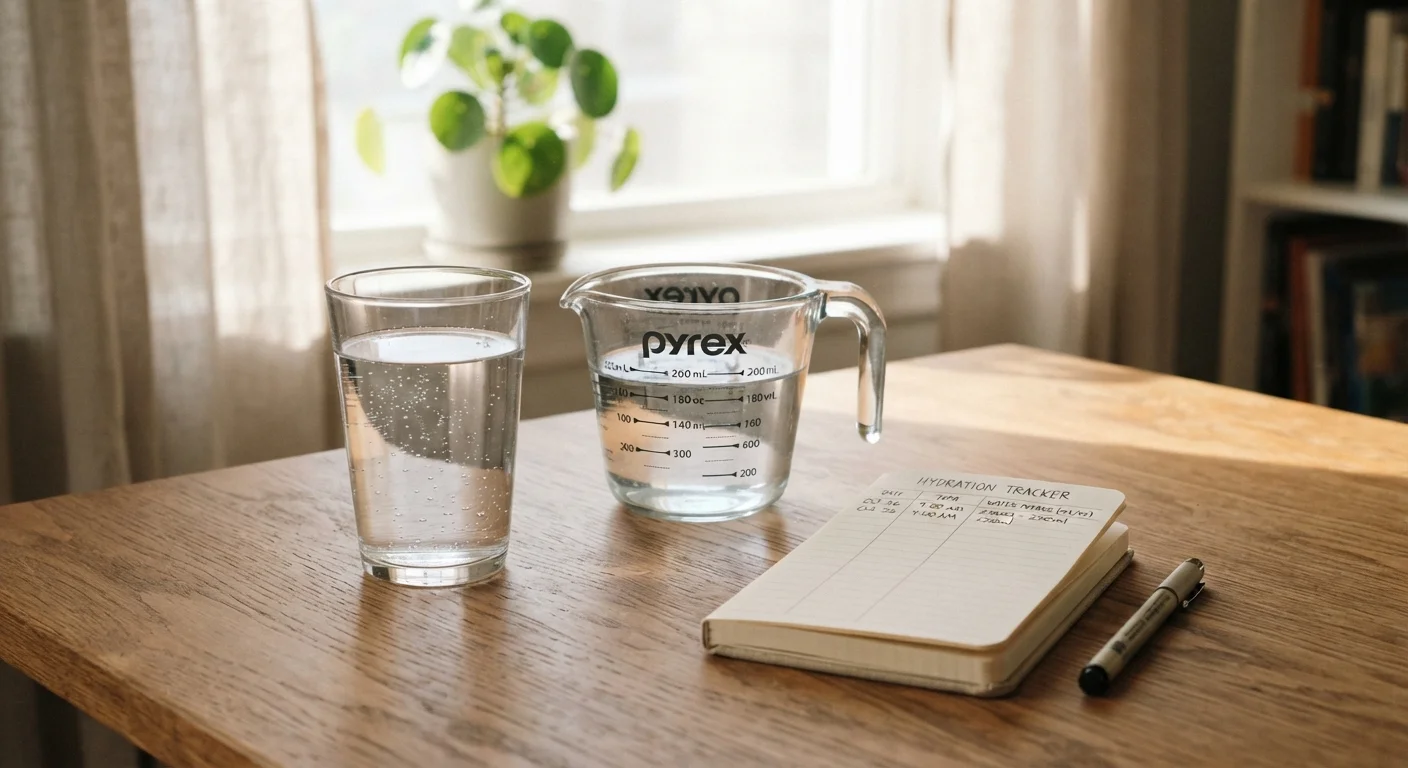
Photo: YetaWellness.com | Explore Trending Blogs editorial
Key Takeaways
- The '8 glasses a day' rule has no strong scientific basis; individual needs vary considerably.
- Thirst is generally a reliable hydration signal for healthy adults, not a sign you're already dehydrated.
- Plain water isn't the only source of hydration — food and other beverages contribute meaningfully.
- Drinking excessive water doesn't detoxify the body; your kidneys and liver handle that process.
- Urine color remains one of the simplest and most practical ways to gauge everyday hydration status.
Why Hydration Myths Spread So Easily
Hydration advice is everywhere — on wellness blogs, fitness apps, and office water-cooler posters. Much of it sounds authoritative, yet a surprising amount doesn't reflect how the body actually regulates fluids. When well-meaning guidance gets repeated often enough, it takes on the weight of medical fact, even when the original evidence is thin or misunderstood.
The myths below aren't harmless. Believing you must hit an arbitrary number of glasses can create unnecessary anxiety, while dismissing real thirst signals — or chasing "detox" benefits that don't exist — can lead people away from genuinely useful habits. Understanding what's true puts you back in control.
If you're interested in how similar misconceptions affect other areas of wellness, common nutrition myths follow the same pattern of oversimplification.
Myth
You must drink eight 8-ounce glasses of water every day to stay healthy.
Fact
Total fluid needs vary by body size, activity level, climate, and diet — no single number applies to everyone.
The "8x8" rule (eight glasses, eight ounces each) is widely cited but lacks a clear scientific foundation. Research published in the American Journal of Physiology traced this figure to a 1945 recommendation that was frequently quoted without its important caveat: most of that water comes from food. The National Academies of Sciences, Engineering, and Medicine set general adequate intake levels at about 3.7 liters (125 oz) per day for men and 2.7 liters (91 oz) for women — total water from all food and beverages combined. These figures also vary based on individual factors. Rigidly tracking eight glasses is unnecessary for most people; overall intake from varied sources is what matters.
Myth
If you feel thirsty, you're already dangerously dehydrated.
Fact
Thirst is a normal, early regulatory signal — not a sign that dehydration has already become harmful.
This claim is often used to push aggressive drinking schedules, but it misrepresents how thirst works. Thirst begins when body water drops by roughly 1–2%, which is a mild and physiologically normal fluctuation. Clinical dehydration that impairs physical and cognitive performance typically requires a greater deficit. For healthy adults, responding to thirst as it arises is an appropriate and well-studied strategy. Older adults are the notable exception: aging blunts the thirst mechanism, so proactively sipping fluids throughout the day is a smarter approach for that group.
Myth
Coffee and tea dehydrate you because caffeine is a diuretic.
Fact
Caffeinated beverages consumed in typical amounts contribute to daily fluid intake rather than depleting it.
Caffeine does have a mild diuretic effect at high doses, but the water in coffee and tea more than offsets any fluid losses at the amounts most people consume. A 2003 study in the Journal of Human Nutrition and Dietetics found no significant difference in hydration markers between caffeinated and non-caffeinated beverage groups in habitual coffee drinkers. The European Food Safety Authority has also concluded that moderate coffee consumption does not lead to dehydration. Avoiding coffee out of hydration concerns is not supported by evidence for most healthy adults.
Myth
Drinking lots of water flushes out toxins and cleanses your body.
Fact
Your kidneys and liver remove waste products; drinking extra water beyond your needs does not enhance or accelerate this process.
"Detox" is among the most persistent wellness myths, applied to both diet and hydration. The body has sophisticated filtration systems — primarily the kidneys, liver, and lymphatic system — that continuously process and eliminate waste. Adequate hydration supports kidney function, but drinking more than your body requires does not supercharge detoxification. The kidneys simply excrete the excess fluid. This myth is also addressed in the context of diet culture in our overview of weight wellness misconceptions. Overconsumption of water, in rare cases, can dilute sodium to dangerous levels — a condition called hyponatremia.
Myth
Clear urine means you are perfectly hydrated and should keep drinking.
Fact
Consistently clear urine throughout the day can indicate overhydration; pale yellow is the typical target.
Urine color is a useful hydration gauge, but the goal isn't perfectly clear fluid. Pale straw or light yellow indicates the kidneys are functioning appropriately and fluid balance is on track. Urine that is consistently colorless may mean you are consuming more fluid than your body needs and diluting electrolytes unnecessarily. Dark yellow or amber is a signal to increase intake. Note that certain vitamins (notably B vitamins) and some medications can temporarily alter urine color regardless of hydration status — another reason not to rely on one metric alone.
Practical Hydration Habits Grounded in Evidence
Once the myths are cleared away, the practical picture becomes simpler. Rather than tracking ounces against a one-size-fits-all target, focus on a few reliable signals and consistent behaviors.
~20%
Daily water from food sources
The National Academies of Sciences, Engineering, and Medicine estimates that roughly 20% of total daily water intake typically comes from foods rather than beverages.
1–2%
Body water loss that triggers thirst
Thirst is activated at approximately a 1–2% reduction in body water — a mild fluctuation that is a normal regulatory response, not an emergency signal.
Pay attention to urine color. Pale yellow generally indicates adequate hydration. Dark yellow or amber is a prompt to drink more; completely colorless urine across the whole day may mean you're overdrinking. This quick visual check requires no measurement device and is supported by clinical hydration assessments.
Let thirst guide you — with context. For most healthy adults, thirst is a dependable signal. Exceptions apply: older adults experience a blunted thirst response, so proactive drinking matters more for them. People exercising in heat, running a fever, or managing certain chronic conditions should not rely on thirst alone. Always discuss individual fluid needs with a healthcare provider if you have a medical condition that affects fluid balance.
Count food and all beverages. Fruits, vegetables, soups, coffee, and tea all contribute to daily fluid intake. The National Academies of Sciences, Engineering, and Medicine note that roughly 20% of water intake typically comes from food. Cutting yourself off from coffee because you think it's dehydrating you — a myth addressed above — unnecessarily eliminates a fluid source.
For a broader look at how daily movement habits interact with these principles, see how mobility myths similarly oversimplify what the body needs.
This article is for general informational and educational purposes only and is not a substitute for professional medical advice. Consult a qualified healthcare provider with questions about your individual hydration needs or health conditions.
The content on this site is for informational purposes only and is not a substitute for professional advice. Always consult a qualified professional for guidance specific to your situation.