
Cholesterol Testing: HDL, LDL, Triglycerides, and the Full Lipid Panel

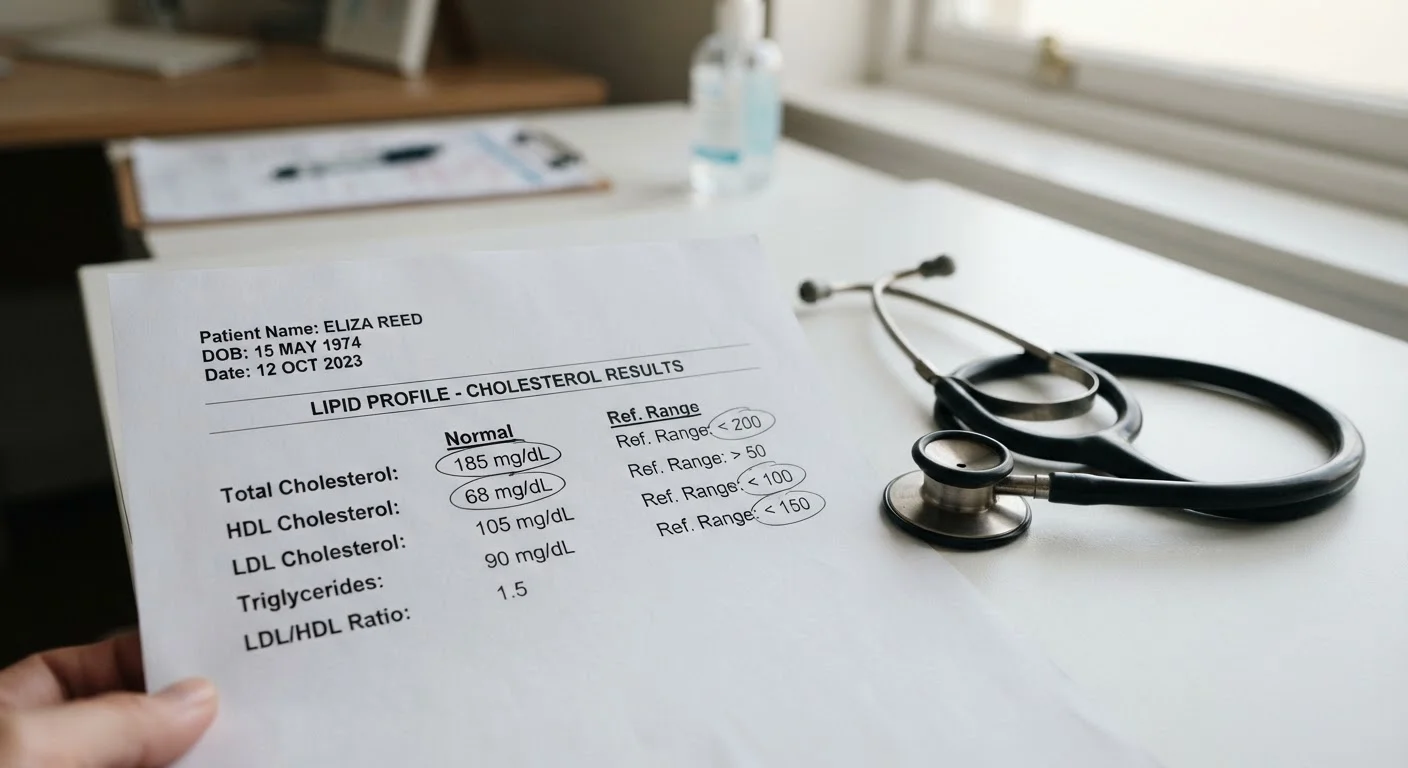
Photo: YetaWellness.com | Explore Trending Blogs editorial
What a Lipid Panel Actually Measures
A lipid panel — sometimes called a lipid profile or cholesterol test — is a routine blood test that measures the fats circulating in your bloodstream. Most panels report four values: total cholesterol, HDL cholesterol, LDL cholesterol, and triglycerides. Some labs also calculate a non-HDL cholesterol figure or a cholesterol ratio.
The test typically requires a blood draw after a 9–12 hour fast, though some clinicians now use non-fasting panels for initial screening since research suggests they can be equally informative for cardiovascular risk assessment. Your clinician will advise which approach is appropriate for you.
| Total Cholesterol (Desirable) | Below 200 mg/dL (American Heart Association) |
| LDL Cholesterol (Optimal) | Below 100 mg/dL (ACC/AHA Guidelines) |
| HDL Cholesterol (Favorable) | 60 mg/dL or above (CDC) |
| Triglycerides (Normal) | Below 150 mg/dL (American Heart Association) |
| Fasting Requirement | 9–12 hours (sometimes waived) |
| Recommended Screening Interval | Every 4–6 years for lower-risk adults (USPSTF) |
Results are reported in milligrams per deciliter (mg/dL). Understanding what each number means — and how the numbers interact — is what makes this screening genuinely useful.
Breaking Down Each Number
HDL: The "Protective" Cholesterol
High-density lipoprotein (HDL) carries cholesterol away from artery walls toward the liver for disposal. Higher HDL levels are generally associated with lower cardiovascular risk. The AHA and CDC note that an HDL below 40 mg/dL in men or below 50 mg/dL in women is considered low and may increase risk. Levels of 60 mg/dL or above are considered favorable.
LDL: The Primary Treatment Target
Low-density lipoprotein deposits cholesterol in artery walls and is the principal target of most lipid-lowering therapies. Clinicians do not interpret LDL in isolation — a level that warrants treatment for one person may be perfectly acceptable for another depending on overall cardiovascular risk. For this reason, guidelines from the ACC and AHA emphasize individual risk calculation rather than a single universal cut-off.
Triglycerides: The Often-Overlooked Marker
Triglycerides are the most common form of fat in the body and rise with excess caloric intake, low physical activity, alcohol use, and certain medical conditions. A fasting level below 150 mg/dL is generally considered normal; levels above 200 mg/dL are elevated. Very high triglycerides (above 500 mg/dL) can signal risk for acute pancreatitis, not only heart disease.
Total Cholesterol and Non-HDL Cholesterol
Total cholesterol is the sum of all cholesterol fractions. Non-HDL cholesterol (total cholesterol minus HDL) captures all potentially harmful lipoproteins and is increasingly used as a secondary target because it requires no fasting and correlates well with cardiovascular events.
Lipid Panel
A blood test that measures cholesterol fractions and triglycerides to help assess cardiovascular risk. It typically includes total cholesterol, HDL, LDL, and triglycerides.
HDL Cholesterol
High-density lipoprotein cholesterol, often called "good" cholesterol. It transports cholesterol from artery walls to the liver, where it is processed and removed from the body.
LDL Cholesterol
Low-density lipoprotein cholesterol, the primary target of lipid-lowering treatment. Elevated LDL can contribute to plaque buildup in arteries, raising cardiovascular risk.
Triglycerides
A type of fat (lipid) found in the blood. The body converts excess calories into triglycerides, which are stored in fat cells. Elevated levels are associated with metabolic and cardiovascular risk.
Non-HDL Cholesterol
Total cholesterol minus HDL cholesterol. It captures all potentially harmful lipoproteins and is used as a secondary risk marker, particularly because it can be measured without fasting.
Pooled Cohort Equations
A validated risk-calculation tool endorsed by the ACC and AHA that estimates a person's 10-year risk of a cardiovascular event using factors including age, cholesterol levels, blood pressure, and smoking status.
How Doctors Use the Full Picture
No single number on a lipid panel tells the whole story. Your clinician combines your results with other factors — age, blood pressure, smoking status, diabetes status, family history, and sometimes additional biomarkers like CRP — to estimate your overall cardiovascular risk using validated tools such as the Pooled Cohort Equations.
The USPSTF recommends that clinicians screen adults aged 35 and older for lipid disorders. For younger adults (ages 21–35), screening is recommended when there is increased risk of cardiovascular disease. Screening intervals vary: many guidelines suggest repeating a lipid panel every four to six years in lower-risk adults and more frequently if results are abnormal or risk factors are present.
If your numbers fall outside the reference range, this is a starting point for a conversation with your healthcare provider — not an automatic indication that medication is needed. Lifestyle factors including diet quality, physical activity, weight, and smoking cessation remain central to management decisions.
This article is for general informational and educational purposes only and does not constitute medical advice. Always consult a qualified healthcare professional about your individual test results, risk factors, and any decisions about treatment or lifestyle change.
The content on this site is for informational purposes only and is not a substitute for professional advice. Always consult a qualified professional for guidance specific to your situation.