
Preparing for a Routine Checkup: What to Bring, Say, and Ask

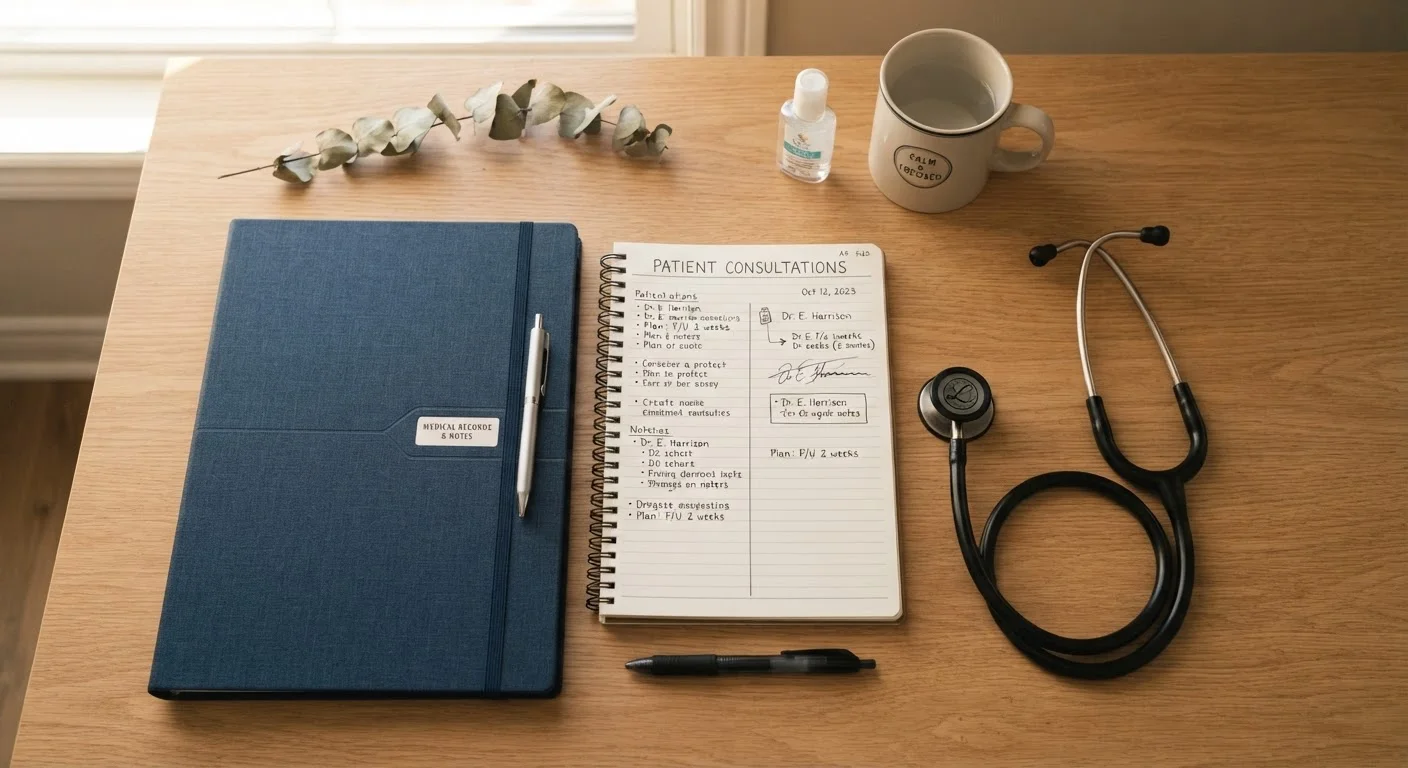
Photo: YetaWellness.com | Explore Trending Blogs editorial
Key Takeaways
- Bring a complete medication list, insurance cards, and any relevant health records to every visit.
- Write down symptoms and concerns in advance so nothing gets forgotten during the appointment.
- Ask specifically which preventive screenings are due based on your age, sex, and personal risk factors.
- Be honest about lifestyle habits — your doctor can only help with information you share.
- Leave with a clear understanding of any next steps, follow-up tests, or referrals discussed.
Why Preparation Makes the Difference
The average primary care visit lasts roughly 15 to 20 minutes. That window is enough time to accomplish a great deal — but only if both you and your provider arrive ready. Patients who prepare in advance are more likely to leave with actionable guidance, appropriate screening orders, and a clearer picture of their overall health status.
This guide walks you through exactly what to gather, what to communicate, and what to ask so that every routine checkup delivers real preventive value. For a broader look at what these visits cover, see the complete overview of adult preventive care.
What you will need
Step-by-Step: Preparing for Your Appointment
Follow these steps in the days before your visit to walk in organized and confident.
Compile your medication and supplement list
Write down every prescription medication, over-the-counter drug, vitamin, and dietary supplement you take regularly. Include the name, dosage, and how often you take it. Bring the physical list or, better yet, bring the bottles themselves if the regimen is complex.
Note any symptoms or new concerns
In the days before your appointment, jot down anything that has changed since your last visit — new aches, sleep disruptions, unexplained weight changes, or recurring digestive issues. Rank them by how much they affect your daily life so you address the most pressing issues first if time is limited.
Gather your health records and screening history
If you've seen other providers recently, bring relevant records or request that they be forwarded in advance. Note the dates of any recent lab work, imaging studies, or specialist visits. Knowing what has already been tested prevents duplication and helps your doctor identify genuine gaps.
Write down your questions in priority order
Prepare a short list of questions — ideally no more than three to five — and order them from most to least important. This ensures that if the appointment runs short, the questions that matter most to you still get answered.
Confirm logistics the day before
Verify whether you need to fast before any lab draws, what time to arrive, and whether you should stop or continue any medications before the visit. Check that your insurance information is current and bring a photo ID. Arriving flustered wastes the limited time you have.
Making the Most of the Conversation
Arriving prepared is only half the equation. How you communicate during the visit shapes what your doctor can realistically address.
Be specific about symptoms. Vague descriptions like "I've been feeling off" are harder for clinicians to act on than concrete observations: when the symptom started, how often it occurs, and whether anything makes it better or worse.
Disclose lifestyle habits honestly. Tobacco use, alcohol consumption, sleep patterns, and physical activity levels all influence screening recommendations and treatment decisions. Your doctor is not there to judge — they need accurate information to guide appropriate care.
Don't hold back concerns about cognition or mood. Many patients delay raising mental or cognitive health questions out of embarrassment or fear. These are legitimate medical topics. For guidance on raising memory concerns calmly, see talking to a doctor about memory concerns.
Ask about vaccines. Immunization needs change across the lifespan, and a routine checkup is an ideal moment to review your status. The annual immunization review checklist can help you arrive with specific questions ready.
End Every Visit With a Clear Next Step
Screening Questions Worth Raising
Preventive screenings — from blood pressure checks to colorectal cancer tests — follow evidence-based timelines that vary by age, sex, family history, and individual risk. Rather than assuming your doctor will automatically order every applicable test, ask directly:
- Which screenings am I currently due for based on my age and health history?
- Are there any tests I should have had by now that I may have missed?
- Given my family history, are there any additional screenings worth discussing?
- What will happen if a screening result comes back abnormal?
If you want a framework for evaluating any test your provider recommends, the article questions worth asking before agreeing to a screening covers informed consent in preventive care.
Older adults should also consider discussing age-related physical changes at their visits. The guide on physical signs of aging your checkup should address offers a useful pre-visit checklist.
This article is for general informational and educational purposes only and is not a substitute for professional medical advice, diagnosis, or treatment. Always consult a qualified healthcare provider with questions about your specific health needs.
The content on this site is for informational purposes only and is not a substitute for professional advice. Always consult a qualified professional for guidance specific to your situation.