
Immunization Records: Keeping Track Across a Lifetime

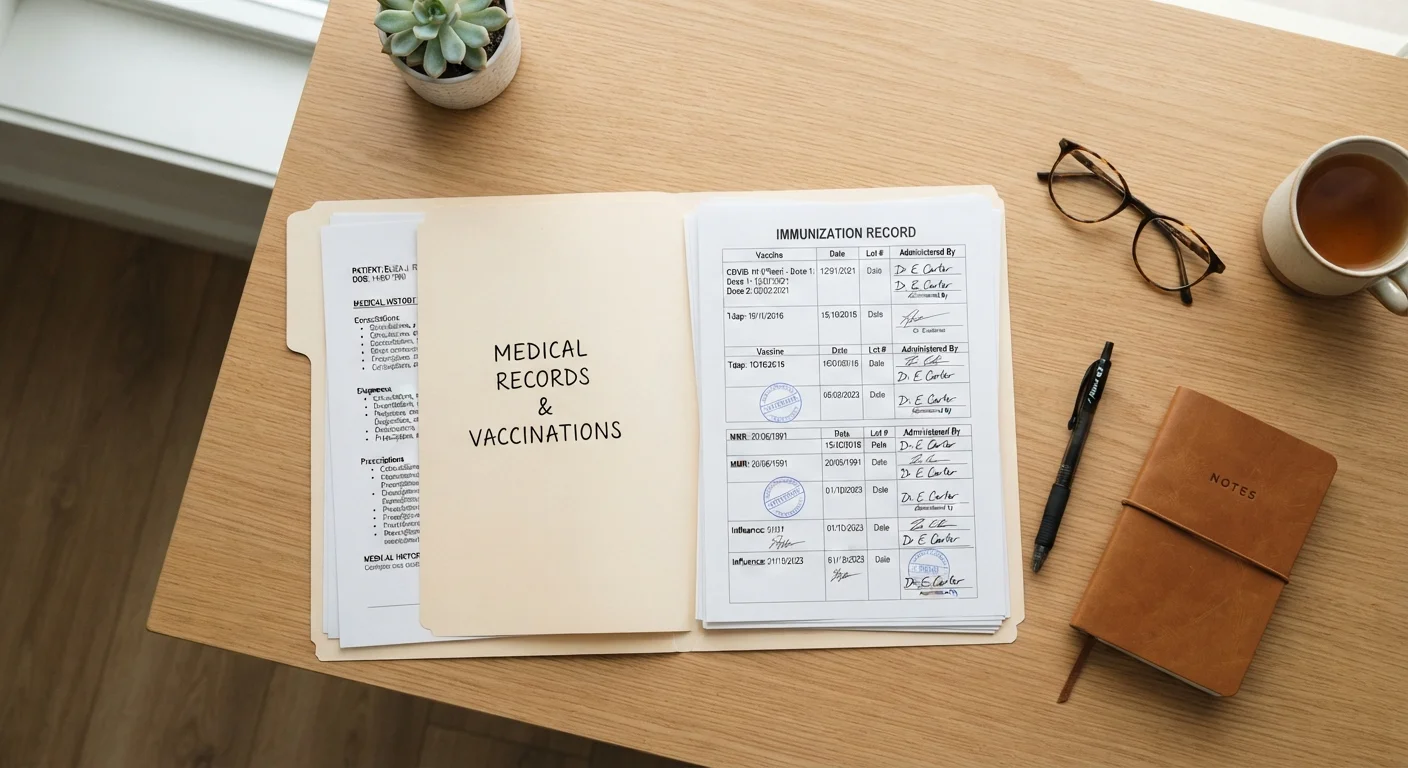
Photo: YetaWellness.com | Explore Trending Blogs editorial
Key Takeaways
- Most adults can reconstruct lost immunization records through state registries, past providers, or school and military files.
- A centralized personal health file — digital or paper — prevents future gaps in your vaccination history.
- Sharing complete records with your current provider helps identify any immunization gaps you may not know about.
- If records truly cannot be located, many vaccines can be safely repeated or titers tested to confirm immunity.
Why Your Immunization Records Matter More Than You Think
Vaccination history isn't just a childhood paperwork exercise. As an adult, your immunization records influence decisions about booster eligibility, travel clearance, workplace requirements, and clinical care — particularly if you develop a new health condition or change providers. Yet a large share of American adults have no idea where their records are, or whether they're complete.
Incomplete records can lead to unnecessary repeat vaccinations — or worse, missed doses that leave you unprotected. Understanding gaps in vaccine coverage most adults don't realize they have starts with knowing what's already documented. This guide walks you through a practical process for locating, consolidating, and maintaining your records from this point forward.
This article is for general health information purposes only and is not a substitute for personalized medical advice. Always consult a qualified healthcare provider with questions about your vaccination status.
What You'll Need Before You Start
Gathering immunization records involves contacting multiple sources, so a little preparation saves time.
What you will need
Once you have these basics in hand, you're ready to follow the steps below.
Step-by-Step: Locating and Organizing Your Records
Follow these steps in order. Many people find their records after just the first two or three steps — so don't assume you'll need all of them.
Search Your Personal Files First
Check filing cabinets, storage boxes, baby books, and any old medical folders at home. Look for the yellow or white card titled "International Certificate of Vaccination" or any handwritten vaccine logs from a pediatrician. Scan or photograph anything you find immediately so you have a digital backup.
Contact Your State Immunization Information System
Every U.S. state maintains an Immunization Information System (IIS), sometimes called an immunization registry, that records vaccines administered by participating providers. Visit your state health department's website and search for "immunization registry" or "vaccine records request." Most registries allow adults to request their own records by submitting a form with identifying information. Processing times vary from days to a few weeks.
Request Records from Past Healthcare Providers
Contact clinics, pediatricians, family physicians, or urgent care centers where you previously received care. Under HIPAA, you have the right to request copies of your medical records, which will include any vaccines documented during those visits. Provide your full name, date of birth, and approximate dates of care. Allow up to 30 days for a response, as required by federal law.
Check School, Military, or Employer Records
Schools commonly require proof of vaccination for enrollment and may retain those records for years. Contact the registrar at elementary schools or universities you attended. If you served in the U.S. military, request your immunization history through the National Archives or the Defense Health Agency. Some employers — particularly in healthcare or childcare — maintain vaccine records as part of occupational health files.
Consider Serology Testing if Records Can't Be Found
If records are truly unrecoverable, a healthcare provider can order a blood test called a serology titer to measure antibody levels for certain diseases, such as measles, mumps, rubella, and hepatitis B. Results help determine whether protective immunity already exists. For vaccines without reliable titer tests, repeating the vaccine series is generally considered safe — your provider can advise which approach is appropriate for your situation.
Consolidate Everything Into One Master Record
Once you've gathered all available documentation, create a single master immunization record. List each vaccine by name, the date it was given, and the administering provider if known. Keep the original documents and a digital scan in a secure location. Share a copy with your primary care provider so it can be integrated into your electronic health record (EHR).
Use a Patient Portal to Stay Current
After completing this process, consider scheduling time with your provider to review what you've found. Our annual immunization review checklist can help you structure that conversation, and you can also learn more about talking to your doctor about vaccines to make the most of your appointment.
Maintaining Records Going Forward
Once you've consolidated your history, keeping it current is straightforward. Ask your provider or pharmacist for a printed or electronic record every time you receive a vaccine, and add it to your central file within a week. Many states automatically update their immunization information system (IIS) when vaccines are administered — but verify this with your provider rather than assuming it happens.
Designate one location — a labeled folder, a secure health app, or a scanned PDF in cloud storage — as your permanent immunization file. Share an updated copy with each new healthcare provider you see. If you have children or older adult family members in your care, apply the same system to their records. For a broader picture of which vaccines apply at each life stage, see our overview of immunization across a lifetime.
The content on this site is for informational purposes only and is not a substitute for professional advice. Always consult a qualified professional for guidance specific to your situation.