
Live Attenuated vs. Inactivated Vaccines: What the Difference Means for You

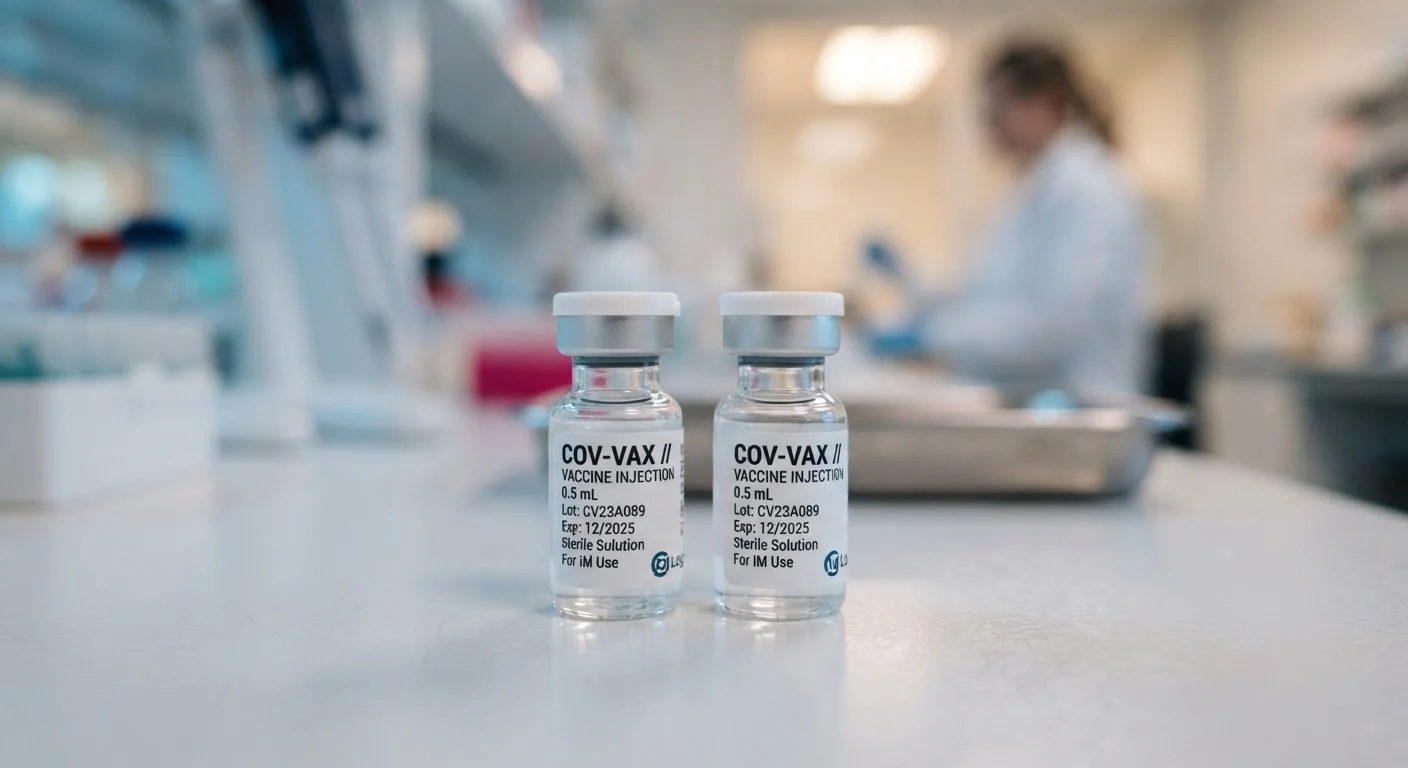
Photo: YetaWellness.com | Explore Trending Blogs editorial
Key Takeaways
- Live attenuated vaccines use a weakened but living pathogen; inactivated vaccines use a killed or inactivated one.
- Live vaccines often produce stronger, longer-lasting immunity — sometimes from a single dose.
- Inactivated vaccines are generally safe for immunocompromised individuals; live vaccines usually are not.
- Both vaccine types are rigorously tested for safety and efficacy before approval.
- Your healthcare provider is the right person to determine which vaccine type is appropriate for your health status.
How Each Vaccine Type Works
All vaccines share a common goal: to teach your immune system to recognize and fight a specific pathogen without causing the disease itself. The key difference lies in how they deliver that lesson.
Live attenuated vaccines contain a version of the pathogen — a bacterium or virus — that has been weakened in a laboratory setting so it can no longer cause serious disease in healthy individuals. Because the weakened pathogen can still replicate to a limited extent inside the body, it closely mimics a natural infection. Your immune system mounts a strong, multifaceted response, producing both antibodies and long-lived memory cells. Examples include the measles-mumps-rubella (MMR) vaccine and the chickenpox (varicella) vaccine.
Inactivated vaccines, by contrast, use a pathogen that has been killed — typically through heat or chemicals — so it is entirely incapable of replicating. The immune system still learns to recognize the pathogen's surface proteins, but the response can be somewhat less robust than with a live vaccine. This is why inactivated vaccines often require multiple doses or booster shots to build and maintain protection. Examples include the injectable influenza vaccine and the hepatitis A vaccine.
| Criterion | Live Attenuated | Inactivated |
|---|---|---|
| Pathogen status | Weakened but living | Killed or inactivated |
| Immune response strength | Typically stronger | Moderate; may need boosters |
| Doses usually required | Often 1–2 lifetime doses | Multiple doses common |
| Safe for immunocompromised | Generally not recommended | Generally safe |
| Safe during pregnancy | Usually avoided | Many are recommended |
| Common examples | MMR, varicella, yellow fever | Flu shot, hepatitis A, IPV |
| Duration of protection | Often long-lasting | Variable; may wane faster |
Safety Profiles and Who Should Be Cautious
Both vaccine types have strong safety records established through clinical trials and decades of post-market surveillance. However, their mechanisms create meaningfully different safety considerations for certain groups.
Because live attenuated vaccines contain a pathogen capable of limited replication, there is a small theoretical risk that the weakened organism could cause disease in people with significantly compromised immune systems. For this reason, the CDC and the Advisory Committee on Immunization Practices (ACIP) generally advise against live vaccines for individuals who are:
- Receiving chemotherapy or radiation therapy
- Taking high-dose corticosteroids or other immunosuppressive drugs
- Living with HIV and have low CD4 counts
- Pregnant
Inactivated vaccines do not carry this concern — they cannot replicate and therefore cannot cause infection even in people with weakened immune systems. This makes them the preferred option across a wider range of health circumstances. That said, inactivated vaccines may produce a weaker immune response in immunocompromised individuals, so protection is not guaranteed.
Always disclose your full health history and current medications to your healthcare provider before receiving any vaccine. This general information is not a substitute for personalized medical guidance.
A Note on Household Contacts
Immunity Duration and the Booster Question
One of the most practical differences between these two vaccine types is how long the protection they provide tends to last — and whether you will need follow-up doses.
Live attenuated vaccines often confer immunity that lasts for many years or even a lifetime. The MMR vaccine, for example, provides long-term protection for the vast majority of recipients after two doses in childhood. This durability stems from the immune system's vigorous response to a replicating pathogen, which generates strong immunological memory.
Inactivated vaccines, by contrast, more frequently require booster doses to maintain adequate protection. The seasonal flu vaccine is reformulated and administered annually. The hepatitis A vaccine series involves two doses spaced six months apart. Immunity from some inactivated vaccines does wane over time, which is why staying current with recommended schedules matters. To understand why immunity fades — regardless of vaccine type — see our explainer on why vaccine-induced immunity isn't always permanent.
~95%
MMR vaccine effectiveness after 2 doses
The CDC reports that two doses of MMR vaccine are approximately 97% effective against measles and 88% effective against mumps, with high combined protection.
40–60%
Typical seasonal flu vaccine effectiveness
According to the CDC, inactivated influenza vaccine effectiveness varies by season, typically ranging from 40–60% when vaccine strains are well-matched to circulating viruses.
This article is for general informational and educational purposes only and does not constitute medical advice. Always consult a qualified healthcare professional about your specific vaccination needs and health circumstances.
The content on this site is for informational purposes only and is not a substitute for professional advice. Always consult a qualified professional for guidance specific to your situation.