
Travel Immunizations: What the Recommended Vaccine List Actually Covers

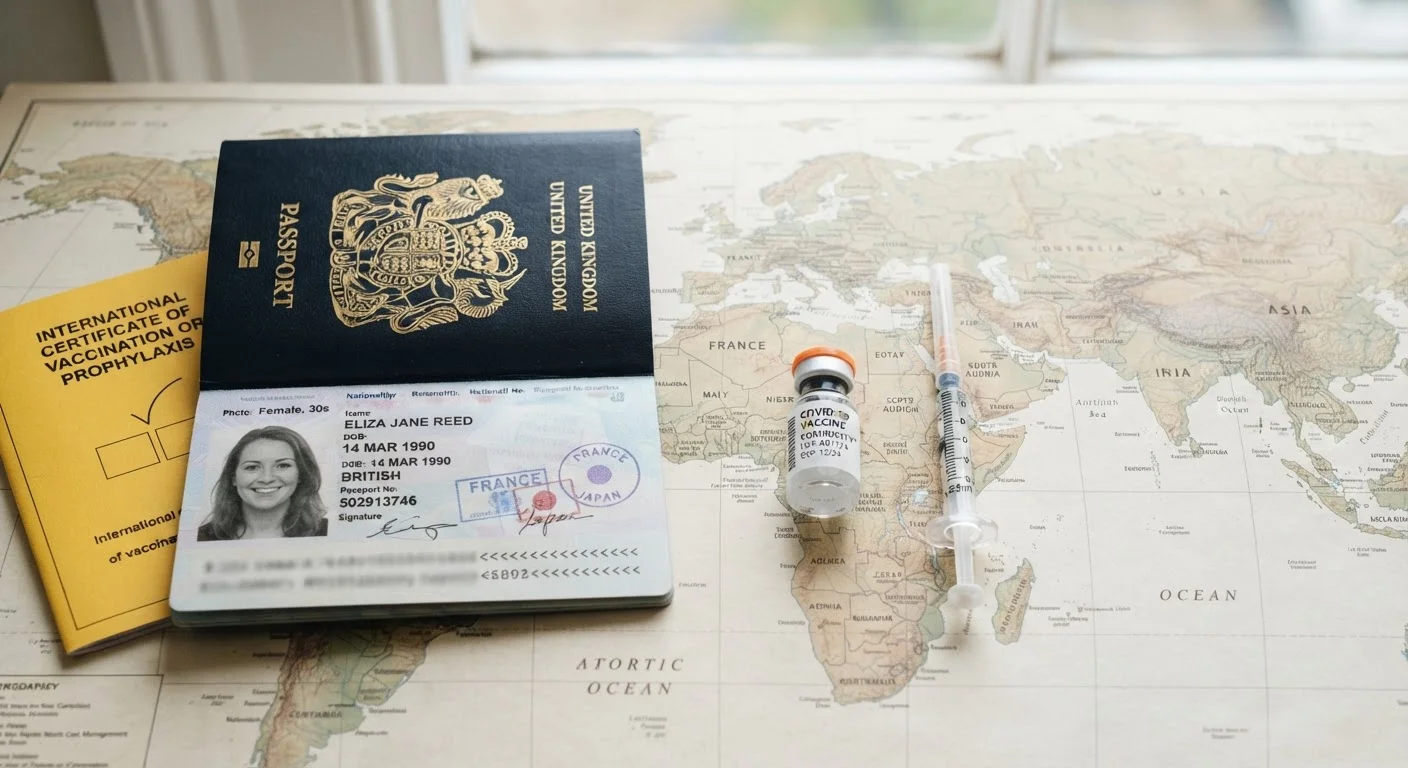
Photo: YetaWellness.com | Explore Trending Blogs editorial
Why Travel Vaccines Exist in a Separate Category
Your routine immunization schedule — the one your doctor reviews at annual checkups — is built around diseases that circulate widely in the United States. Travel vaccines address a different problem: pathogens that are endemic in specific regions of the world, often at exposure levels or transmission routes that American travelers rarely encounter at home.
The CDC divides travel-related vaccines into three broad categories: routine vaccines you may need updated, recommended vaccines based on your destination and activities, and required vaccines that certain countries mandate as a condition of entry. Understanding which category applies to your itinerary is the starting point for any pre-travel health plan. See how vaccines fit into your broader immunization history for useful background on baseline protection before layering on travel-specific needs.
The Three Categories Explained
Routine Vaccines
These include measles-mumps-rubella (MMR), tetanus-diphtheria-pertussis (Tdap), influenza, and COVID-19 vaccines, among others. Travel to regions with lower vaccination rates can expose you to diseases that are rare domestically but still circulate abroad. Before any international trip, a clinician will typically confirm that your routine vaccines are current.
Recommended Vaccines
Recommendations vary significantly by destination, season, planned activities, and traveler health status. Common examples include:
- Hepatitis A and B — recommended for most international travelers given food/water and bloodborne exposure risks respectively.
- Typhoid — especially relevant for travel to South Asia, parts of Africa, and Latin America.
- Japanese Encephalitis — considered for extended stays in rural parts of Asia and the Western Pacific.
- Meningococcal vaccine — often advised for sub-Saharan Africa's meningitis belt and for Hajj pilgrims traveling to Saudi Arabia.
- Rabies pre-exposure prophylaxis — considered for travelers spending significant time outdoors or in remote areas with limited post-exposure access to care.
- Cholera — an oral vaccine available in the U.S. for adults traveling to areas with active cholera transmission.
Required Vaccines
Yellow fever is the most commonly required vaccine — certain countries in sub-Saharan Africa and tropical South America mandate proof of vaccination for entry. The International Certificate of Vaccination or Prophylaxis (ICVP), sometimes called the "yellow card," serves as official documentation. Saudi Arabia requires meningococcal vaccination for Hajj and Umrah pilgrims.
Timing: Why Starting Early Matters
One of the most common mistakes travelers make is assuming vaccines can be obtained days before departure. In reality, lead times vary considerably:
- Some vaccines require two or three doses spread over weeks or months (hepatitis B, rabies pre-exposure series).
- Others need two to four weeks to reach full effectiveness after a single dose (typhoid injectable, hepatitis A).
- Yellow fever vaccination must be documented at least 10 days before entry into countries requiring it.
The CDC and most travel medicine specialists recommend scheduling a pre-travel consultation at least four to six weeks before departure — and ideally earlier for complex itineraries or multi-country trips. Use your consultation to review your full vaccine record. A structured immunization checklist can help you organize what you have and identify gaps before that appointment.
Timing also depends on the traveler. People who are immunocompromised, pregnant, or traveling with young children may face different recommendations or limitations. Always consult a qualified healthcare provider or travel medicine specialist to get guidance tailored to your personal health history, destination, and itinerary. This article is general health information, not medical advice.
Where to Find Destination-Specific Information
The CDC's Travelers' Health website (wwwnc.cdc.gov/travel) maintains destination pages that list recommended and required vaccines by country, along with information on disease outbreaks and health notices. The World Health Organization (WHO) also publishes international travel health recommendations.
Travel medicine clinics, found at many hospitals, university health centers, and some pharmacies, specialize in pre-travel care. Some vaccines — particularly yellow fever — are only administered at authorized providers, so locating one in advance is an important logistical step.
Before your appointment, it helps to know: your destination countries and cities, planned activities (urban vs. rural, adventure travel, healthcare work), trip duration, and any chronic health conditions. Knowing what to ask your doctor about vaccines can make that conversation much more productive. For a broader view of adult vaccine schedules that underpin any travel plan, see what changes after 18 in adult immunization guidance.
The content on this site is for informational purposes only and is not a substitute for professional advice. Always consult a qualified professional for guidance specific to your situation.