
Vaccines During Pregnancy: What Expectant Parents Should Know

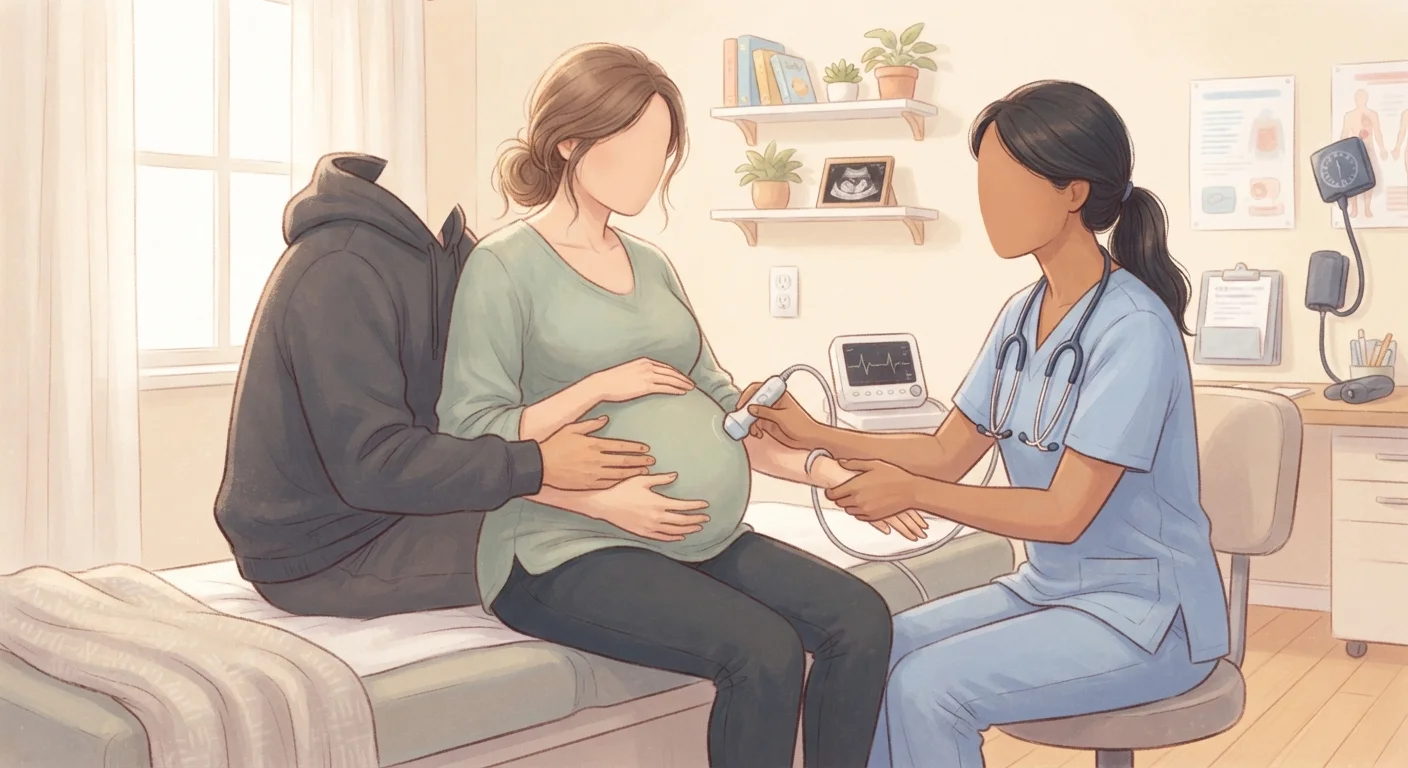
Photo: YetaWellness.com | Explore Trending Blogs editorial
Key Takeaways
- Certain vaccines are specifically recommended during pregnancy to protect both the mother and baby.
- Maternal antibodies can pass through the placenta and breast milk, offering newborns early protection.
- Some vaccines — particularly live-attenuated types — are generally avoided during pregnancy.
- Timing within pregnancy matters; your OB or midwife will advise on the appropriate schedule.
- Vaccinating close family members helps shield newborns before they can receive their own shots.
- Always consult your healthcare provider for guidance tailored to your individual health history.
Why Vaccination During Pregnancy Matters
Pregnancy creates a unique immunological window. A pregnant person's immune response shifts to accommodate the developing baby, which can also leave both mother and child more vulnerable to certain infections. Immunization during this period serves two purposes: protecting the mother from illness that can complicate pregnancy, and passing protective antibodies to the baby before birth.
Newborns cannot receive most vaccines for weeks or months after birth. Maternal antibodies — transferred through the placenta during pregnancy and through breast milk afterward — can bridge that gap. This is why public health organizations such as the CDC and the American College of Obstetricians and Gynecologists (ACOG) specifically recommend certain vaccines during pregnancy rather than simply before or after.
For a broader view of how immunization recommendations evolve throughout life, see the Immunization Across a Lifetime guide.
Which Vaccines Are Generally Recommended During Pregnancy
Two vaccines have consistently strong support from U.S. public health guidance for use during pregnancy:
- Influenza vaccine (inactivated): Recommended during any trimester. Influenza infection during pregnancy carries elevated risks of serious complications. The inactivated form — not the live nasal spray — is used.
- Tdap vaccine: Protects against tetanus, diphtheria, and pertussis (whooping cough). Pertussis is especially dangerous for newborns. Guidance generally targets the 27–36 week window of the third trimester to maximize antibody transfer to the baby.
Depending on individual health history and evolving guidance, providers may also discuss vaccines for RSV or COVID-19 during pregnancy. Recommendations in these areas can be updated as new evidence emerges, so your provider is the best source for current guidance specific to your situation.
Inactivated vaccine
A vaccine made from a killed or inactivated pathogen. It cannot cause the disease it protects against, which is why it is generally considered appropriate for use during pregnancy.
Live-attenuated vaccine
A vaccine containing a weakened but living form of a virus or bacterium. These are usually avoided during pregnancy as a precaution, even though documented harm is uncommon.
Maternal antibodies
Protective proteins produced by the mother's immune system that can cross the placenta to the baby, offering temporary immunity to certain infections before the infant can be vaccinated.
Tdap
A combination vaccine protecting against tetanus, diphtheria, and pertussis (whooping cough). It is specifically recommended during each pregnancy, typically in the third trimester.
Cocooning
A preventive strategy where family members and caregivers around a newborn get vaccinated to reduce the baby's exposure to dangerous infections before the infant is old enough for their own shots.
Vaccines Typically Avoided During Pregnancy
Live-attenuated vaccines — those containing a weakened but active form of a virus or bacterium — are generally not given during pregnancy. Because they contain live organisms, there is a theoretical concern about risk to the developing baby, even though documented harm is rare. Examples include:
- MMR (measles, mumps, rubella)
- Varicella (chickenpox)
- The live attenuated influenza vaccine (nasal spray form)
If you are not immune to rubella or varicella, your provider will typically recommend receiving those vaccines after delivery rather than during pregnancy. This is one reason a thorough vaccination review before conception — or early in prenatal care — is valuable. See the adult vaccine schedule overview for context on where these fit in lifelong immunization.
How to Have the Conversation with Your Provider
Your first prenatal appointment is an ideal time to raise the topic of vaccines. Come prepared to share your vaccination history, including any records you have, and mention any prior reactions to vaccines. Key questions to consider asking include:
- Which vaccines do you recommend for me during this pregnancy, and when?
- Are there vaccines I should catch up on after delivery?
- Should my partner or other household members update their vaccinations?
If you feel uncertain or want to understand the reasoning behind a recommendation, it is entirely appropriate to ask your provider to explain the evidence. A productive dialogue leads to better decisions. The guide to talking with your doctor about vaccines offers practical framing for these conversations.
Bring Your Vaccination Records to Prenatal Visits
This article is for informational purposes only and is not a substitute for professional medical advice. Pregnant individuals should consult their obstetrician, midwife, or other qualified healthcare provider regarding any decisions about vaccines or other aspects of prenatal care.
Protecting Your Newborn: The Cocooning Strategy
Even with optimal maternal vaccination, newborns are still vulnerable in the first weeks of life. A strategy called cocooning addresses this gap by ensuring that the people closest to the baby — partners, grandparents, siblings, and regular caregivers — are current on relevant vaccines themselves.
The most important vaccines for close contacts include:
- Tdap: Anyone who has not received a Tdap booster as an adult should get one before the baby arrives, especially if it has been more than ten years since their last tetanus booster.
- Influenza: Annual flu vaccination for all household members helps reduce the baby's exposure during flu season.
Cocooning is a team effort — every vaccinated person in the baby's circle adds a layer of protection during the months before the infant can receive their own immunizations. This community-level thinking is a cornerstone of preventive health for the youngest and most vulnerable members of a household.
Frequently Asked Questions
The content on this site is for informational purposes only and is not a substitute for professional advice. Always consult a qualified professional for guidance specific to your situation.