
Restless Legs Syndrome: Recognizing the Urge That Keeps People Awake

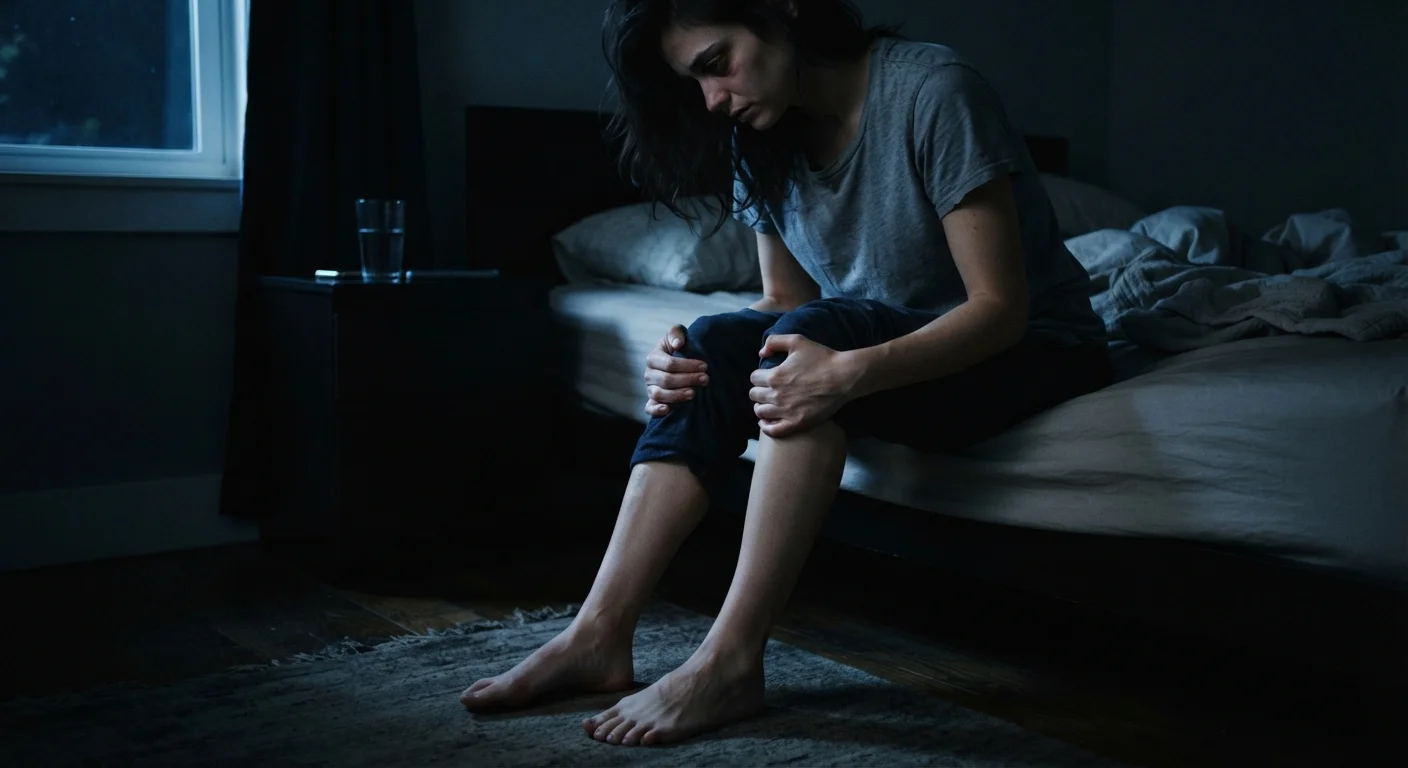
Photo: YetaWellness.com | Explore Trending Blogs editorial
Key Takeaways
- RLS is a neurological condition, not a behavioral habit or form of anxiety.
- Symptoms typically worsen during rest and are most intense in the evening or night.
- RLS affects an estimated 5–10% of U.S. adults and is more common in women.
- Iron deficiency and certain medications can trigger or worsen RLS symptoms.
- A healthcare provider can evaluate symptoms and discuss appropriate management strategies.
- RLS is chronic but manageable — many people experience meaningful symptom relief with proper care.
More Than Just 'Fidgety Legs'
Restless legs syndrome is frequently dismissed — by friends, family, and even some clinicians — as nervousness, growing pains, or poor sleep habits. That dismissal has real consequences. People living with RLS often go years without a proper evaluation, quietly losing hours of sleep each night to a condition that has a clinical name, recognized diagnostic criteria, and established management approaches.
The defining feature of RLS is not simply restlessness. It is a neurologically driven urge to move the legs that is nearly impossible to resist, paired with sensations that most sufferers struggle to describe precisely. Words like crawling, pulling, throbbing, or electric come up often. What unifies these descriptions is that the sensations originate deep within the limb — not on the skin's surface — and that movement, at least briefly, brings relief.
RLS Is Not a Psychiatric Condition
Who Experiences RLS and How Common Is It
RLS affects an estimated 5–10% of U.S. adults, making it one of the more prevalent neurological disorders in the country. Women are diagnosed at roughly twice the rate of men, and prevalence increases with age — though RLS can and does occur in children, where it is sometimes mistaken for growing pains or attention difficulties.
5–10%
U.S. adults estimated to have RLS
According to the National Institute of Neurological Disorders and Stroke, RLS affects millions of Americans, making it one of the most common neurological movement disorders.
2x
Higher RLS prevalence in women vs. men
Epidemiological studies consistently find that women are diagnosed with RLS at roughly twice the rate of men, with pregnancy being one contributing factor.
~80%
RLS patients who also have PLMD
Research indicates that the large majority of people diagnosed with RLS also experience periodic limb movement disorder during sleep, further compounding sleep disruption.
A family history of RLS is present in a significant portion of cases, suggesting a genetic component. Secondary RLS — triggered by an underlying condition rather than arising on its own — is associated with iron deficiency anemia, chronic kidney disease, peripheral neuropathy, and pregnancy. Certain medications, including some antidepressants, antihistamines, and antipsychotics, are also known to precipitate or worsen symptoms.
The Four Diagnostic Criteria Clinicians Use
Because there is no biomarker or imaging test that confirms RLS, clinicians rely on four core criteria established through decades of research and refined by the International Restless Legs Syndrome Study Group:
- An urge to move the legs, typically accompanied by uncomfortable sensations in the legs.
- Symptoms begin or worsen during rest or inactivity — lying down or sitting for extended periods.
- Symptoms are partially or fully relieved by movement, such as walking or stretching, at least temporarily.
- Symptoms are worse in the evening or at night than during the morning hours.
When these four criteria are met and the symptoms are not better explained by another medical or behavioral condition, a clinical diagnosis of RLS is warranted. Ruling out mimicking conditions — leg cramps, positional discomfort, or anxiety-driven restlessness — is an important part of that evaluation.
How RLS Disrupts Sleep and Daily Life
The timing of RLS is particularly cruel from a sleep standpoint. Symptoms intensify precisely when the body is trying to wind down. The act of lying still — the natural precondition for sleep — becomes the trigger for discomfort. Many people with untreated RLS report spending an hour or more each night walking, stretching, or pacing before they can fall asleep.
Over time, this pattern produces the same downstream effects as other chronic sleep disorders: daytime fatigue, difficulty concentrating, irritability, and reduced productivity. Some research has also linked chronic RLS-related sleep disruption to elevated rates of depression and anxiety, though the direction of causality is not fully established.
It is also worth noting that about 80% of people with RLS have a co-occurring condition called periodic limb movement disorder (PLMD), in which the legs jerk involuntarily during sleep. These movements can fragment sleep architecture without the person even being aware of them, compounding the overall sleep deficit.
This article is intended for general informational purposes only and does not constitute medical advice. If you believe you may be experiencing symptoms of restless legs syndrome or any other sleep disorder, please consult a qualified healthcare professional for evaluation and guidance tailored to your individual situation.
Frequently Asked Questions
The content on this site is for informational purposes only and is not a substitute for professional advice. Always consult a qualified professional for guidance specific to your situation.