
Breathing Patterns During Exercise and Why They Matter

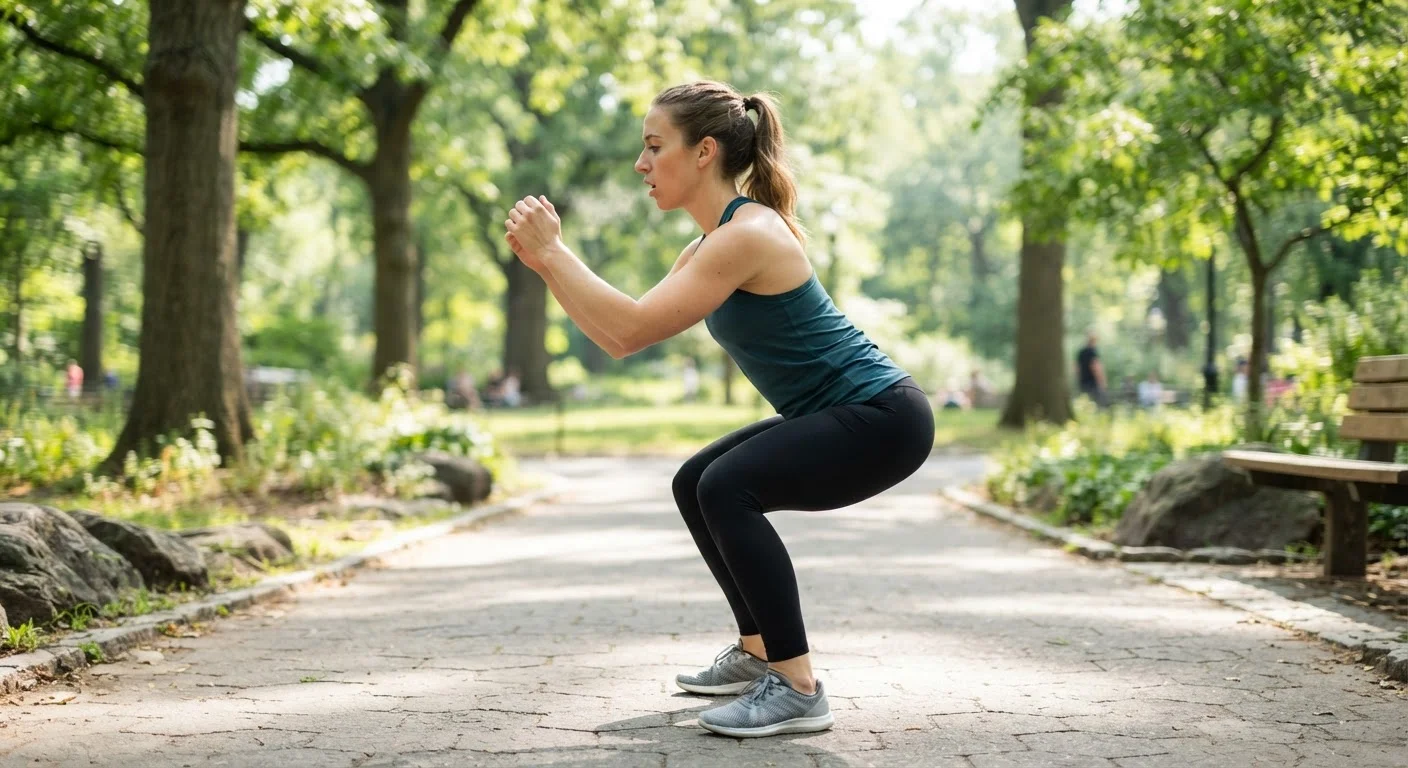
Photo: YetaWellness.com | Explore Trending Blogs editorial
Key Takeaways
- Breathing pattern directly affects exercise performance, stability, and exertion management.
- Exhaling during the hardest part of a movement is a widely recommended foundational rule.
- Diaphragmatic breathing — breathing into your belly — is more efficient than shallow chest breathing.
- Breath-holding raises internal pressure and should generally be avoided by beginners.
- With practice, proper breathing becomes automatic and requires less conscious effort.
Why Breathing Mechanics Matter More Than You Think
Most people starting out — or returning after a long break — focus on which exercises to do, how many reps to complete, and whether their form looks right. Breathing rarely makes the list. But how you breathe during movement affects nearly everything: how efficiently your muscles receive oxygen, how stable your core is under load, and how quickly your body recovers between efforts.
Building a sustainable exercise habit is already a meaningful undertaking. Adding even one breathing cue to your practice — exhale on effort — can make movement feel more controlled and less exhausting from day one.
Beyond performance, breathing is closely linked to posture and mobility. Tight chest breathing patterns can limit thoracic (mid-back) mobility and contribute to tension in the neck and shoulders. Learn how breathing connects to mobility if you find that stiffness is limiting your movement range.
Practice Breathing Before You Need It
How to Build Better Breathing Habits Step by Step
What you will need
Use the following steps to develop a more conscious, effective breathing pattern across any type of exercise. These apply whether you're lifting weights, doing bodyweight movements, or working through a cardio session.
Understand the basic rule: exhale on effort
The most practical breathing rule in exercise is simple: exhale during the hardest phase of a movement, inhale during the easier phase. For a push-up, that means exhaling as you push up and inhaling as you lower. For a squat, exhale as you stand, inhale as you descend. This pattern helps stabilize your core and manage exertion without overthinking it.
Learn to breathe from your diaphragm, not your chest
Shallow chest breathing is common, especially under stress or exertion, but it's less efficient. Diaphragmatic breathing — drawing air deep enough that your belly expands — delivers more oxygen per breath and keeps your core muscles better engaged. Place one hand on your chest and one on your belly: during a proper breath in, the belly hand should rise first and more noticeably than the chest hand.
Match breathing rhythm to your exercise intensity
During low-intensity aerobic activity — such as a brisk walk or easy jog — aim for a relaxed, rhythmic breathing pattern. Many runners use a 3:2 ratio (three steps inhaling, two steps exhaling) as a starting point, though comfort varies by individual. As intensity increases, breathing naturally speeds up. That's normal. The goal isn't a fixed count — it's staying controlled and avoiding the sensation of gasping. See how aerobic and anaerobic exercise differ for context on how intensity changes your body's oxygen demands.
Avoid prolonged breath-holding during strength work
It's common to hold your breath instinctively when lifting something heavy or doing a challenging core exercise. For beginners, this habit can spike blood pressure and cause dizziness. Focus on maintaining a continuous breathing cycle: even a brief, controlled exhale during the effort phase is better than a full hold. If you notice you're holding your breath repeatedly, slow the movement down and consciously cue yourself to breathe.
Cool down with intentional slow breathing
At the end of a workout, use slow, deliberate breathing to help your heart rate and nervous system return to baseline. Inhale for a count of four, exhale for a count of six. This extended exhale activates the parasympathetic nervous system — the body's natural recovery mode. Even two to three minutes of this practice after exercise supports a smoother recovery. For stress-focused breathing techniques used outside of exercise, see this plain-language guide to common breathing techniques.
Breath-Holding Can Be Risky
This article is for general informational purposes only and does not constitute medical advice. Always consult a qualified healthcare professional before starting a new exercise program, particularly if you have cardiovascular, respiratory, or other health concerns.
The content on this site is for informational purposes only and is not a substitute for professional advice. Always consult a qualified professional for guidance specific to your situation.