
Starting an Exercise Habit From Scratch

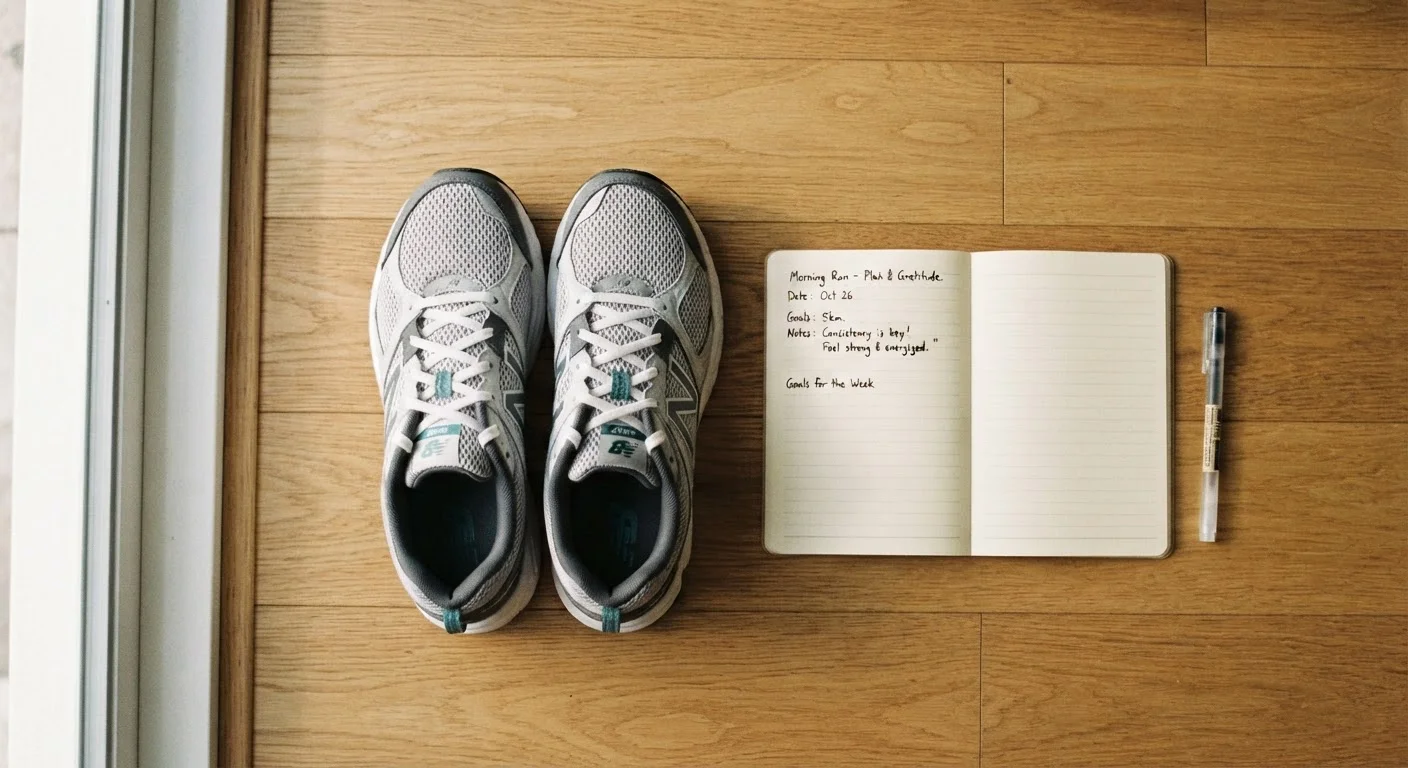
Photo: YetaWellness.com | Explore Trending Blogs editorial
Key Takeaways
- Starting with short, manageable sessions is more effective than launching into intense workouts.
- Consistency over weeks matters far more than the intensity of any single workout.
- Rest days are a planned part of any effective exercise program, not a sign of weakness.
- Warming up, cooling down, and learning to breathe properly reduce injury risk for beginners.
- Habit-stacking — linking exercise to an existing daily routine — dramatically improves follow-through.
Why Starting Small Is the Right Move
One of the most common mistakes new exercisers make is doing too much too soon. The enthusiasm of a fresh start can push people toward hour-long workouts and daily sessions before their bodies have adapted — leading to soreness, fatigue, and often, giving up within two weeks.
Exercise science consistently supports a gradual progression approach. The body needs time to adapt to new physical demands at the muscular, cardiovascular, and connective-tissue levels. Starting with modest sessions — think 15 to 20 minutes, two or three times a week — gives your system a manageable stimulus without overwhelming it.
This principle also applies to lifestyle. A shorter workout you actually complete builds far more momentum than an ambitious plan you abandon. If you're approaching this after a long break, the guide to returning to regular movement offers a structured, gradual reintroduction that complements this beginner approach.
Understanding the Basics Before You Begin
Before lacing up your shoes, it helps to understand a few foundational concepts that will shape how you train and recover.
Aerobic exercise
Sustained, rhythmic activity — like walking, cycling, or swimming — that raises your heart rate and relies on oxygen for energy. It builds cardiovascular endurance over time.
Reps and sets
A 'rep' (repetition) is one complete movement, such as one squat. A 'set' is a group of consecutive reps — for example, 10 squats in a row counts as one set of 10.
DOMS
Delayed onset muscle soreness — the achiness felt 24–48 hours after unfamiliar exercise. It's a normal part of muscle adaptation, not a sign of injury.
Progressive overload
Gradually increasing the challenge of your workouts — through more reps, longer duration, or added resistance — so your body continues to adapt and improve.
Rest day
A scheduled day without structured exercise, intentionally built into a program to allow muscles, joints, and the nervous system to recover and grow stronger.
Moderate intensity
An exercise effort level where your breathing is noticeably elevated but you can still carry on a short conversation. It's the recommended intensity range for most beginner sessions.
Understanding these terms helps you read workout instructions, interpret how your body feels, and make smarter decisions as you progress. For instance, knowing that aerobic exercise strengthens your heart and lungs helps you appreciate why brisk walking — even without a gym — delivers real fitness benefits.
It's also worth paying attention to how you breathe during movement. Many beginners hold their breath without realizing it, which can raise blood pressure and reduce exercise efficiency. The basics of exercise breathing is a practical read that covers exactly this for newcomers.
Building Your First Routine
A sustainable beginner routine has three components: a warm-up, a main activity, and a cool-down. Each serves a distinct purpose and shouldn't be skipped.
- Warm-up (5 minutes): Light movement — marching in place, arm circles, gentle leg swings — increases blood flow and prepares joints for more demanding work.
- Main activity (10–20 minutes): Choose one form of movement you enjoy and can access easily. Walking, cycling, bodyweight circuits, or a beginner yoga flow all count. Aim for moderate effort — you should be able to speak in short sentences.
- Cool-down (5 minutes): Slow the pace and stretch major muscle groups gently. This helps your heart rate return to normal and may reduce next-day soreness.
Repeat this structure 2–3 times per week, leaving at least one rest day between sessions. Rest is not optional — it's when your muscles actually repair and grow stronger.
For a deeper look at pairing exercise with daily lifestyle choices, building an active lifestyle from the ground up provides complementary strategies for non-gym-goers.
Staying Consistent When Motivation Fades
Motivation is unreliable — it peaks in the first week and tends to dip just when the habit needs reinforcing. The key is to build systems that don't depend on feeling inspired.
Habit-stacking is one of the most effective strategies: attach your new exercise session to an existing daily anchor. For example, a short walk after your morning coffee or a bodyweight circuit before your evening shower. The existing habit cues the new one.
Scheduling your workouts like appointments and keeping a simple log of completed sessions both help. Research on behavior change consistently shows that people who track their activity are more likely to maintain it over time.
Mobility work is an excellent complement that's easy to maintain on rest days without adding fatigue. See how to build a mobility habit that sticks for principles that apply equally to any fitness routine.
Stack Your Workout onto an Existing Habit
What to Watch Out For
Knowing a few common pitfalls helps you avoid the setbacks that derail most beginners.
- Skipping rest days: Overtraining — training before the body has recovered — increases injury risk and stalls progress. Two or three structured sessions per week is genuinely enough when starting out.
- Comparing your progress to others: Fitness timelines vary significantly between individuals based on age, baseline fitness, sleep, nutrition, and genetics. Focus on your own trajectory.
- Ignoring pain signals: Mild muscle soreness is normal; sharp, joint-level, or worsening pain is not. Stop the activity and consult a healthcare professional if pain is concerning.
- Neglecting nutrition and sleep: Exercise and recovery go together. A balanced approach to daily eating supports energy, performance, and recovery.
If you're an older adult or managing a chronic health condition, please consult a qualified healthcare professional before beginning any new exercise program. The guidance here is general health information, not personalized medical advice.
This article is for informational purposes only and is not a substitute for professional medical advice, diagnosis, or treatment. Always consult a qualified healthcare provider before starting a new exercise program, especially if you have any health conditions or concerns.
Frequently Asked Questions
The content on this site is for informational purposes only and is not a substitute for professional advice. Always consult a qualified professional for guidance specific to your situation.