
The Role of Sleep in Maintaining Physical Vitality as You Age

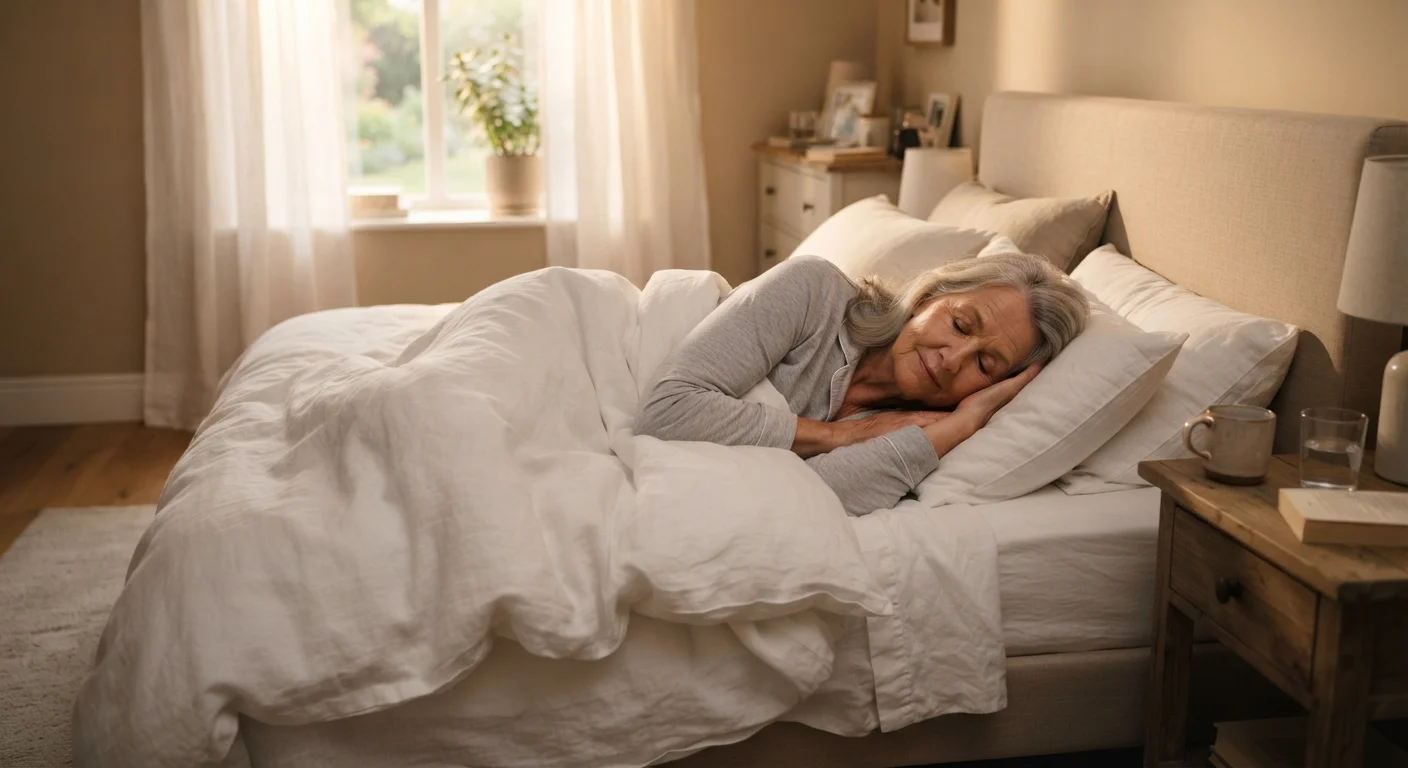
Photo: YetaWellness.com | Explore Trending Blogs editorial
Key Takeaways
- Sleep supports muscle repair, hormone regulation, and balance — all of which decline with poor rest.
- Older adults need 7–9 hours of sleep per night, but sleep architecture changes with age, affecting quality.
- Chronic poor sleep is linked to increased fall risk, slower recovery, and reduced daytime energy.
- Consistent sleep and wake times, light exposure, and physical activity all support better rest.
- Sleep disorders become more common with age — speak with a healthcare provider if rest feels persistently poor.
Why Sleep Becomes a Physical Priority With Age
Sleep is often framed as a cognitive concern — memory, mood, mental sharpness. But its role in physical health is equally profound, and arguably more urgent as the body ages. The repair processes that sleep enables are the same ones that maintain muscle integrity, joint recovery, metabolic balance, and the coordination systems that keep people upright and active.
As adults move into their 50s, 60s, and beyond, the margin for poor sleep narrows. The body's capacity to compensate for inadequate rest diminishes alongside other age-related changes. Understanding what sleep does for the body — not just the mind — is an important step toward protecting long-term physical function.
For a deeper look at how sleep structure itself shifts with age, see our explanation of sleep architecture and aging.
Muscle Recovery, Hormones, and the Repair Window
The body's most intensive physical repair happens during sleep — specifically during slow-wave (deep) sleep, when growth hormone secretion peaks. This hormone drives muscle protein synthesis, supports connective tissue repair, and helps regulate body composition. In older adults, deep sleep becomes shorter and less consistent, which means this repair window shrinks precisely when the body needs it most.
This matters directly for muscle health. Age-related muscle loss — a condition called sarcopenia — is influenced not only by physical activity and nutrition, but also by the hormonal environment that sleep helps regulate. Chronic sleep restriction compounds sarcopenia risk by limiting the anabolic (muscle-building) signaling that overnight rest provides. For more on how muscle loss progresses with age, see what sarcopenia actually involves.
Sleep also intersects with nutrition in this repair process. Adequate dietary protein supports muscle synthesis — a connection explored in our overview of nutritional habits for aging bodies.
7–9 hrs
Recommended nightly sleep for adults 65+
The American Academy of Sleep Medicine and the Sleep Research Society recommend 7–9 hours of sleep per night for older adults to support health and function.
~30%
Older adults reporting regular poor sleep
Studies estimate that roughly 30% of older adults experience chronic sleep complaints, including difficulty falling asleep, staying asleep, or waking too early.
2x
Increased fall risk linked to sleep disorders
Research in geriatric populations has found that untreated sleep disorders, including sleep apnea, can approximately double fall risk compared to those without sleep disturbance.
Balance, Coordination, and Fall Risk
Physical vitality in older adults isn't only about strength — it's about control. Balance, reaction time, and neuromuscular coordination are the systems that prevent falls, one of the leading causes of injury-related disability in adults over 65 in the United States. All of these systems are acutely sensitive to sleep deprivation.
Even a single night of poor sleep measurably slows reaction time and reduces postural stability. For older adults whose balance reserves are already narrowing due to normal aging, this additional impairment can meaningfully raise fall risk. Research in geriatric populations consistently identifies poor sleep as an independent risk factor for falls — separate from medication use, vision changes, or environmental hazards.
Sleep Disorders Are More Common With Age — and Treatable
Maintaining consistent sleep habits is therefore not just about feeling rested — it's a legitimate component of physical safety and injury prevention in later life.
Daily Habits That Support Sleep Quality
No single habit guarantees better sleep, but a constellation of evidence-backed behaviors can meaningfully improve rest quality over time. For older adults, the most durable strategies focus on anchoring the body's circadian rhythm — the internal clock that regulates sleep-wake cycles and becomes more sensitive with age.
- Consistent timing: Going to bed and waking at the same time daily — including weekends — helps stabilize circadian signals, making it easier to fall and stay asleep.
- Morning light exposure: Natural light in the first hour after waking is one of the strongest cues for circadian entrainment, helping the body anticipate nighttime sleep.
- Regular physical activity: Exercise is associated with improved sleep depth and duration in older adults. The timing of activity relative to sleep matters — see our guide on exercise and sleep timing for current research on this relationship.
- Evening wind-down: Reducing light exposure, avoiding stimulants like caffeine after midday, and limiting alcohol — which fragments sleep architecture despite inducing initial drowsiness — all support smoother transitions into rest.
- Bedroom environment: A cool, dark, quiet sleep environment reduces awakenings and supports deeper sleep stages, which are already under pressure from age-related changes.
This article provides general health information and is not a substitute for personalized medical advice. Speak with a qualified healthcare provider about any persistent sleep concerns, especially if you have existing health conditions or take medications.
Frequently Asked Questions
The content on this site is for informational purposes only and is not a substitute for professional advice. Always consult a qualified professional for guidance specific to your situation.