
Protein, Hydration, and the Nutritional Habits That Aging Bodies Rely On

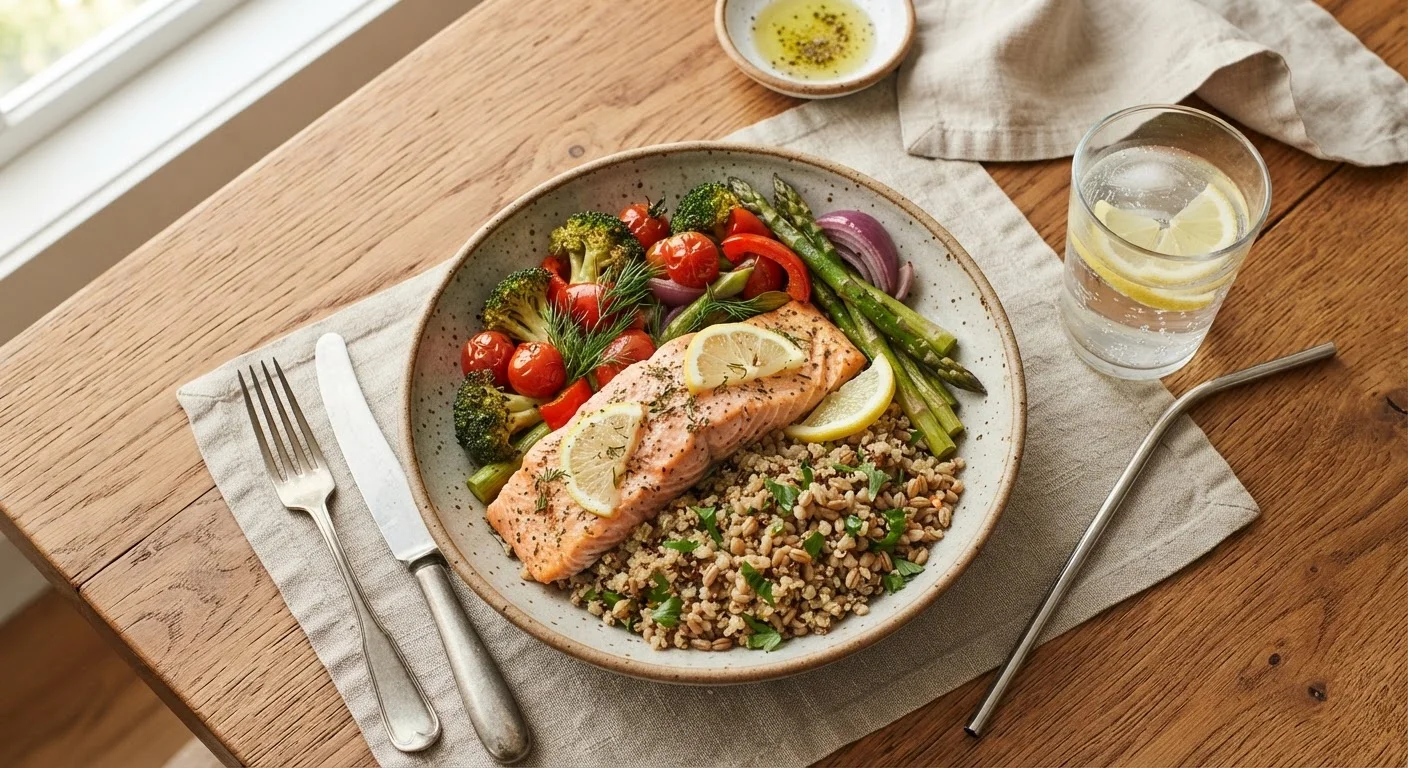
Photo: YetaWellness.com | Explore Trending Blogs editorial
How Nutritional Needs Shift With Age
The human body's relationship with food changes meaningfully across the decades. Caloric needs often decrease slightly as metabolic rate slows, yet the body's demand for specific nutrients — particularly protein, calcium, vitamin D, and B vitamins — either holds steady or increases. This gap between calorie intake and nutrient requirement is one of the defining nutritional challenges of aging.
Appetite can decline for a range of reasons including changes in taste and smell, medications, dental issues, and reduced physical activity. When total food intake drops, getting adequate micronutrients and macronutrients from a smaller volume of food becomes more critical. Understanding how the body changes over time is a useful starting point for anyone rethinking dietary habits in later life.
| Muscle loss onset | Typically begins in the 30s–40s (American College of Sports Medicine) |
| Rate of muscle decline | Approx. 3–8% per decade after 30 (Journal of Aging Research, general consensus) |
| Protein distribution strategy | Spread intake across all meals for best muscle uptake (American Journal of Clinical Nutrition) |
| Common nutrient shortfalls after 50 | Vitamin D, B12, calcium, magnesium (National Institute on Aging) |
| Thirst sensitivity | Declines with age, increasing dehydration risk (Journals of Gerontology) |
| Dietary pattern with strongest research support | Mediterranean-style eating pattern (New England Journal of Medicine; multiple meta-analyses) |
Protein: A Priority Nutrient After 50
Skeletal muscle is not a fixed asset. From roughly the fourth decade onward, adults gradually lose muscle mass through a process called sarcopenia — a loss of both muscle fiber size and the number of functional motor units. Research published in gerontology literature consistently identifies adequate dietary protein as one of the most important modifiable factors in slowing this process.
Older adults are also thought to experience a phenomenon called anabolic resistance, meaning muscle tissue becomes less efficient at using dietary protein for repair and synthesis. This suggests that spreading protein intake across all meals — rather than concentrating it at dinner — may be more effective for muscle maintenance. Lean poultry, fish, eggs, dairy, legumes, and soy-based foods are all well-studied sources.
Protein's role extends well beyond muscle: it supports immune function, wound healing, enzyme production, and hormone regulation. And as body composition shifts across the lifespan, maintaining lean mass becomes increasingly tied to functional independence. Anyone with kidney disease or other chronic conditions should consult a healthcare provider before significantly changing protein intake.
Hydration: The Underappreciated Essential
Dehydration is disproportionately common in older adults, and the reasons are physiological, not simply behavioral. The sensation of thirst blunts with age, so by the time an older adult feels thirsty, the body may already be meaningfully underhydrated. Kidney efficiency in concentrating urine also declines, and certain medications — diuretics in particular — increase fluid losses.
Even mild dehydration has measurable effects on cognitive function, physical performance, and energy levels. Chronic low-grade dehydration is also linked to increased risk of urinary tract infections and kidney stones. Practical strategies include drinking water consistently throughout the day rather than in large amounts at once, including water-rich foods such as cucumbers, soups, and citrus in the diet, and monitoring urine color as a rough guide to hydration status (pale yellow generally indicates adequate intake).
A Note on Individual Hydration Needs
Dietary Patterns That Support Healthy Aging
Individual nutrients matter, but research increasingly points to overall dietary patterns as the stronger predictor of health outcomes. The Mediterranean-style eating pattern — rich in vegetables, fruits, whole grains, legumes, fish, and healthy fats such as olive oil — has been associated in multiple large observational studies with lower rates of cardiovascular disease, cognitive decline, and overall mortality in older populations.
Fiber deserves particular mention: it supports digestive regularity (which can become more challenging with age), feeds beneficial gut bacteria, and contributes to cardiovascular health. Calcium and vitamin D remain important for bone density maintenance, and B12 — which becomes harder to absorb as stomach acid production decreases — warrants attention from adults over 50.
Pairing sound nutrition with consistent movement compounds the benefits. Physical activity recommendations adapt across age groups, but strength training in particular works synergistically with protein intake to preserve muscle — a relationship explored further in adapting strength training after 50. For a broader framework, active aging habits that support independent living brings these threads together comprehensively.
This article provides general health information for educational purposes only and is not a substitute for personalized medical or nutritional advice. Always consult a qualified healthcare provider about dietary changes, especially if you have chronic health conditions or take medications.
The content on this site is for informational purposes only and is not a substitute for professional advice. Always consult a qualified professional for guidance specific to your situation.