
Body Changes Over Time

Strength Training After 50: Adapting Your Approach as Your Body Evolves

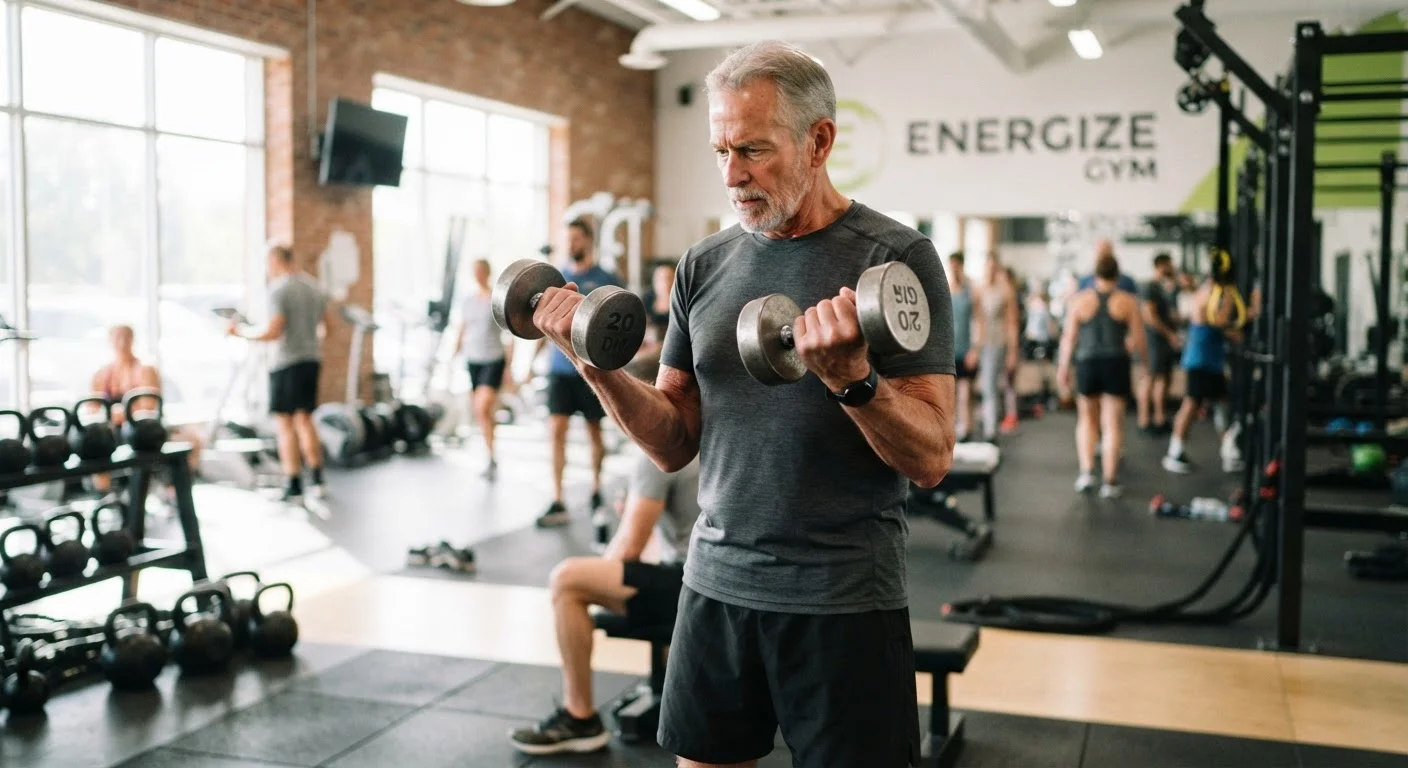
Strength Training After 50: Adapting Your Approach as Your Body Evolves

Photo: YetaWellness.com | Explore Trending Blogs editorial

Exercise needs shift with age, but strength training remains valuable well into later life. Learn how to adapt safely as your physiology changes.

Key Takeaways

  • Age-related muscle loss (sarcopenia) begins gradually but accelerates after 50 without resistance training.
  • Adapting load, recovery time, and exercise selection reduces injury risk while preserving training benefits.
  • Protein intake and sleep quality directly affect how well older muscles respond to strength work.
  • Consistency over weeks and months matters more than any single high-intensity session.
  • Older adults should consult a healthcare provider before starting or significantly changing a strength program.

Why Strength Training Matters More After 50

After the age of 50, adults lose roughly 1–2% of muscle mass per year — a process called sarcopenia — along with gradual declines in bone density, joint mobility, and neuromuscular coordination. These changes are natural, but they are not inevitable in their consequences. Resistance training remains one of the most evidence-supported interventions for slowing muscle and strength loss, improving functional independence, and reducing fall risk in older adults.

The goal after 50 isn't necessarily to train harder — it's to train smarter. As the body's physiology shifts, so should the strategy. Understanding how muscle and fat shift with age helps set realistic expectations and more effective training targets.

Best Practices for Adapting Your Training

The following practices reflect guidance widely supported by exercise science and applied in clinical and fitness settings for adults over 50. They are starting points for informed conversation with your own healthcare or fitness professional — not prescriptions.

1

Prioritize compound, functional movements over isolated exercises

Multi-joint exercises like squats, rows, and step-ups train the body in patterns that directly support daily activities such as climbing stairs or lifting objects. These movements build coordination and functional strength simultaneously, which is especially important as neuromuscular efficiency declines with age.
Example: Replacing a leg extension machine with bodyweight squats or goblet squats trains hip stability, balance, and quad strength together — all relevant to everyday function.
2

Extend your warm-up and treat mobility work as non-negotiable

Connective tissue — tendons and ligaments — becomes less elastic with age, increasing injury risk when training begins cold. A thorough warm-up improves blood flow to joints and prepares the neuromuscular system for load. Skipping this step is one of the most common causes of preventable injury in older exercisers.
Example: Adding 10 minutes of dynamic stretching — hip circles, arm swings, and light resistance band work — before lifting meaningfully reduces joint stress at the start of a session.
3

Moderate training loads and emphasize controlled repetitions

Research suggests that older adults can stimulate meaningful muscle growth at moderate loads (roughly 60–75% of maximum effort) when repetitions are performed with full range of motion and controlled tempo. This reduces compressive joint stress compared to maximum-effort lifting while still providing the mechanical stimulus muscles need.
Example: Performing a dumbbell row with a deliberate two-second lowering phase engages more muscle fibers and reduces the momentum-driven joint stress common in faster, heavier reps.
4

Build in longer recovery periods between sessions

Muscle protein synthesis after a training session remains elevated longer in older adults than in younger ones, but the overall recovery window — the time needed before the next stimulus — also lengthens. Overtraining without adequate rest leads to accumulated fatigue and increased injury susceptibility.
Example: Shifting from three consecutive training days to an alternating schedule — such as Monday, Wednesday, Friday — gives major muscle groups 48 hours or more to recover between sessions.
5

Track progress in terms of consistency and functional improvement, not just load

Focusing exclusively on how much weight is lifted can lead to premature load progression and ignores the broader markers of success in older trainees: balance, endurance within a session, ease of daily tasks, and reduced soreness duration. These indicators are more meaningful signals of adaptation after 50.
Example: Noting that a set of lunges feels steadier than it did a month ago, or that carrying groceries requires noticeably less effort, reflects genuine functional gains worth tracking alongside any weight increases.
6

Listen to the difference between productive discomfort and warning pain

Muscle fatigue and mild post-exercise soreness are normal responses to training. Sharp, joint-specific, or persistent pain during or after exercise is not. Older adults benefit from developing this self-monitoring habit because the consequences of training through joint pain can be more significant and slower to resolve than at younger ages.
Example: A dull muscular ache 24 hours after a session is typical. Pain that appears in a shoulder joint during a pressing movement and lingers for several days warrants rest and evaluation by a clinician before continuing.

Recovery, Nutrition, and the Bigger Picture

Muscle is built during recovery, not during the workout itself. After 50, recovery takes measurably longer due to changes in cellular repair mechanisms and hormonal output. Allowing at least 48 hours between sessions targeting the same muscle groups is a practical baseline — though individual needs vary.

Nutrition plays an equally critical role. Protein synthesis becomes less efficient with age, meaning older adults generally need adequate protein spread across meals to support muscle maintenance. Nutritional habits that aging bodies rely on — including hydration — directly influence how well muscles respond to training stimulus. Speak with a registered dietitian for personalized guidance.

Sleep is often the overlooked variable. Growth hormone — essential for tissue repair — is released primarily during deep sleep. Chronic poor sleep can undermine even the most thoughtful training program.

high Schedule two strength sessions this week on non-consecutive days and commit to a 10-minute warm-up before each one.
high Audit your weekly protein intake with a registered dietitian or a general food diary to ensure you're distributing protein across meals, not just at dinner.
medium Add a balance challenge to your existing routine — try standing on one foot while brushing your teeth to begin training proprioception daily.
medium Review your sleep habits this week and identify one change — earlier bedtime, reduced screen exposure before sleep — that could extend deep sleep duration.

This article is for general informational purposes only and does not constitute medical advice. Always consult a qualified healthcare provider before beginning or modifying an exercise program, especially if you have existing health conditions.

Healthy Aging Editorial Team

YetaWellness.com | Explore Trending Blogs

Healthy Aging Editorial Team is the collective byline for our editorial team and contributor network. Articles published under this byline or an editorial pen name are researched, written, and reviewed according to our editorial standards for clarity, consistency, and independence before publication.

Body Changes Over TimeMind & MemoryActive Aging Habits
View author profile

The content on this site is for informational purposes only and is not a substitute for professional advice. Always consult a qualified professional for guidance specific to your situation.