
Active Aging: A Comprehensive Look at the Habits That Support Independent Living

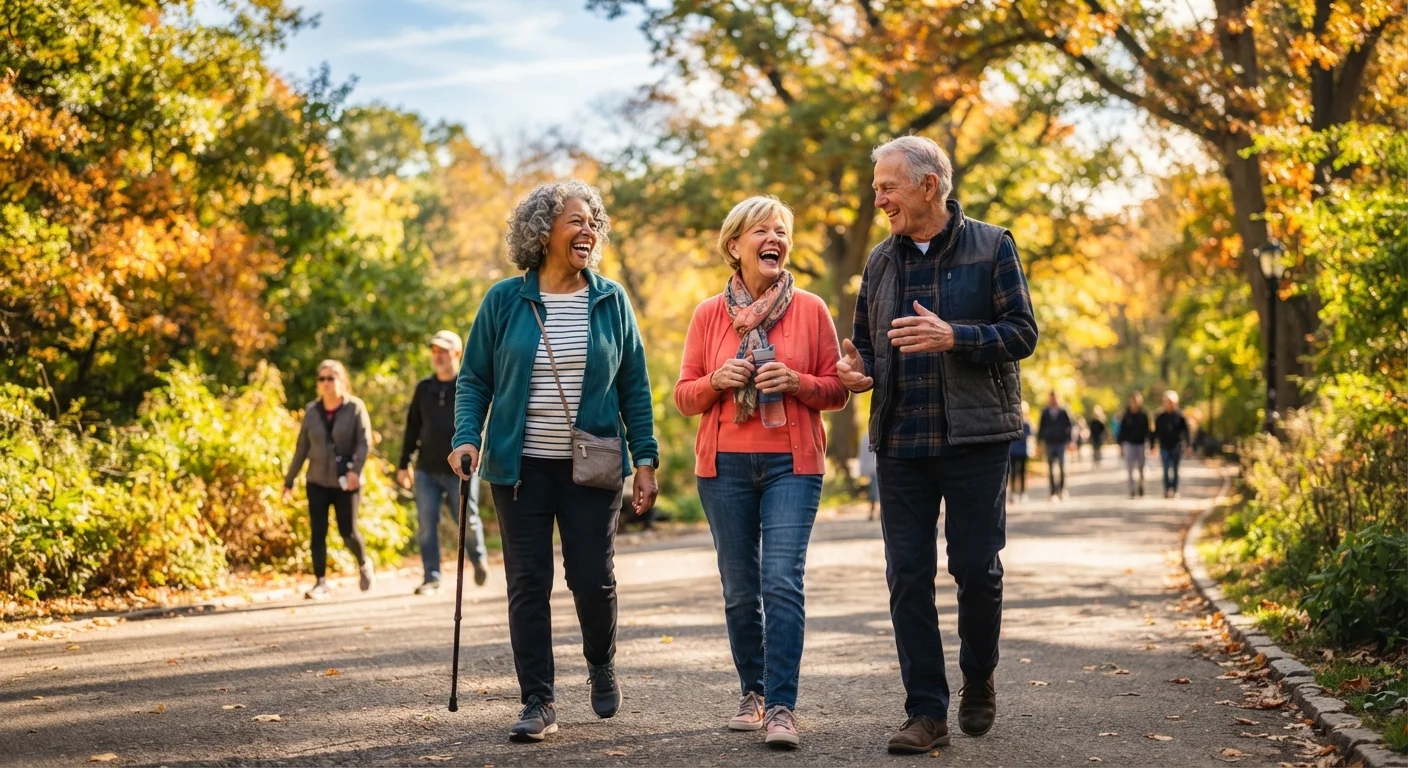
Photo: YetaWellness.com | Explore Trending Blogs editorial
Key Takeaways
- Regular physical activity — including strength, balance, and aerobic movement — is strongly linked to maintaining independence.
- Protein intake and hydration needs increase with age, making nutrition a critical lever for sustained energy and muscle health.
- Social engagement and cognitive stimulation are as important to healthy aging as physical habits.
- Quality sleep is a biological necessity, not a luxury — it supports memory, immune function, and metabolic health.
- Small, consistent daily habits compound over time and are more effective than occasional intensive efforts.
- Always consult a qualified healthcare provider before starting a new exercise, nutrition, or health management plan.
What Active Aging Actually Means
Active aging is not a marketing slogan or a code word for staying young forever. Defined by the World Health Organization as the process of optimizing opportunities for health, participation, and security as people grow older, it is a practical framework for preserving function and quality of life across the later decades.
Independence — the ability to live, move, and make decisions on one's own terms — sits at the heart of the concept. Research in gerontology consistently shows that independence is not simply the absence of disease; it is the product of layered habits that protect physical capacity, mental acuity, social bonds, and emotional resilience simultaneously.
Understanding how the body naturally changes over time is a useful starting point. Muscle mass, bone density, cardiovascular efficiency, and sensory acuity all shift with age — but the rate and severity of those changes are strongly influenced by lifestyle. That is the core promise of active aging: not eliminating change, but shaping it.
Physical Movement: The Foundation
Movement is the most evidence-backed pillar of active aging. Adults who engage in regular physical activity maintain greater muscle strength, better balance, lower fall risk, and higher rates of functional independence compared to sedentary peers — findings supported by decades of research across major health institutions including the CDC and the National Institute on Aging.
A well-rounded movement routine for older adults typically addresses three domains:
- Aerobic activity — walking, swimming, cycling, or dancing to support heart and lung health.
- Strength training — resistance exercises that slow the age-related loss of muscle mass (sarcopenia).
- Balance and flexibility work — yoga, tai chi, or targeted exercises that reduce fall risk and preserve range of motion.
If you are new to structured movement or returning after a long gap, see our step-by-step guide to starting active after a sedentary period for a safe, realistic approach. For context on how activity needs shift across the lifespan, active lifestyles across every age offers a helpful comparison.
Prioritize strength training at least twice a week — even bodyweight exercises count. Maintaining muscle mass is one of the single most effective strategies for preserving independence into your 70s and 80s.
Don't wait for thirst to drink water — set a simple schedule, such as a glass of water with each meal and between meals, to stay consistently hydrated throughout the day.
Nutrition and Hydration Habits That Matter
Nutritional needs shift meaningfully with age. Appetite often decreases even as protein requirements rise — the body becomes less efficient at synthesizing muscle protein from dietary sources, a process researchers call anabolic resistance. Adequate calcium and vitamin D remain critical for bone integrity, while fiber supports the digestive changes common in later life.
Hydration is frequently underestimated. The sensation of thirst diminishes with age, meaning older adults can become dehydrated before feeling thirsty. Consistent fluid intake throughout the day — rather than waiting for thirst signals — is a practical protective habit.
For a detailed, evidence-grounded look at these shifts, our guide on protein, hydration, and nutritional habits for aging bodies covers the key considerations. As always, individual nutritional needs vary — a registered dietitian or physician can provide personalized guidance.
Cognitive Health: Keeping the Mind Sharp
Cognitive vitality and physical independence are more tightly connected than many people realize. Research published in journals including The Lancet has identified modifiable lifestyle factors — physical activity, social engagement, sleep quality, and management of cardiovascular risk factors — as significant contributors to brain health over time.
Practically, cognitive stimulation habits include learning new skills, reading broadly, engaging in strategy-based games, and participating in creative pursuits. These activities do not guarantee protection against specific conditions, but they are associated with greater cognitive reserve — the brain's resilience against age-related changes.
Managing hearing and vision changes also matters: untreated sensory loss has been linked in several studies to accelerated cognitive decline, making routine checkups a genuinely important part of brain health maintenance. Discussing these concerns at your annual physical is a practical first step; our overview of physical signs of aging your annual checkup should address outlines what to bring up with your doctor.
Social Connection and Emotional Wellbeing
Loneliness and social isolation carry measurable health consequences. The U.S. Surgeon General's advisory on loneliness, published in 2023, identified social disconnection as a significant public health concern, associated with elevated risks of heart disease, depression, and cognitive decline.
Active aging intentionally includes social habits: maintaining friendships, participating in community groups, volunteering, or simply building regular one-on-one contact into weekly routines. The quality of relationships matters as much as quantity — meaningful, reciprocal connections tend to be more protective than large but superficial social networks.
Emotional wellbeing also encompasses purposeful engagement — having roles, goals, or activities that feel meaningful. Whether that is mentoring, creative work, religious participation, or community advocacy, a sense of purpose has been associated with lower mortality rates in longitudinal aging research.
Social Wellbeing Is a Health Issue
Sleep, Rest, and Recovery
Sleep architecture changes with age — older adults often experience lighter sleep, more nighttime awakenings, and earlier morning waking. These shifts are normal, but chronic poor-quality sleep is not an inevitable feature of aging and carries real health costs: impaired memory consolidation, weakened immune response, and disrupted metabolic regulation among them.
Consistent sleep and wake times, limiting caffeine after midday, keeping the bedroom cool and dark, and avoiding screens before bed are behavioral strategies with strong evidence behind them. If sleep difficulties are persistent or significantly affecting daily function, a healthcare provider can assess for underlying causes such as sleep apnea, which is underdiagnosed in older adults.
Don't Self-Diagnose Sleep Disorders
Putting It All Together: Your Daily Routine
The research on healthy aging converges on one practical insight: consistency across multiple habit domains outperforms intensity in any single one. A day that includes a 30-minute walk, a protein-adequate meal, a meaningful conversation, and seven hours of sleep is more powerful than a single intensive intervention pursued sporadically.
Building a routine audit into your habits periodically is a useful accountability practice. Our active aging routine self-audit provides a structured checklist covering movement, rest, nutrition, and social habits to help identify where small adjustments might yield the most benefit.
Independent living is not a fixed destination — it is a direction, maintained day by day through deliberate choices. The habits described in this guide are neither exotic nor extreme; they are the ordinary practices that research has repeatedly linked to longer spans of vitality, function, and autonomy. That is the practical, achievable goal of active aging.
This article is for general informational and educational purposes only and does not constitute medical advice. Always consult a qualified healthcare professional before making changes to your physical activity, diet, or health management routine.
The content on this site is for informational purposes only and is not a substitute for professional advice. Always consult a qualified professional for guidance specific to your situation.