
Starting an Active Lifestyle After a Long Sedentary Period

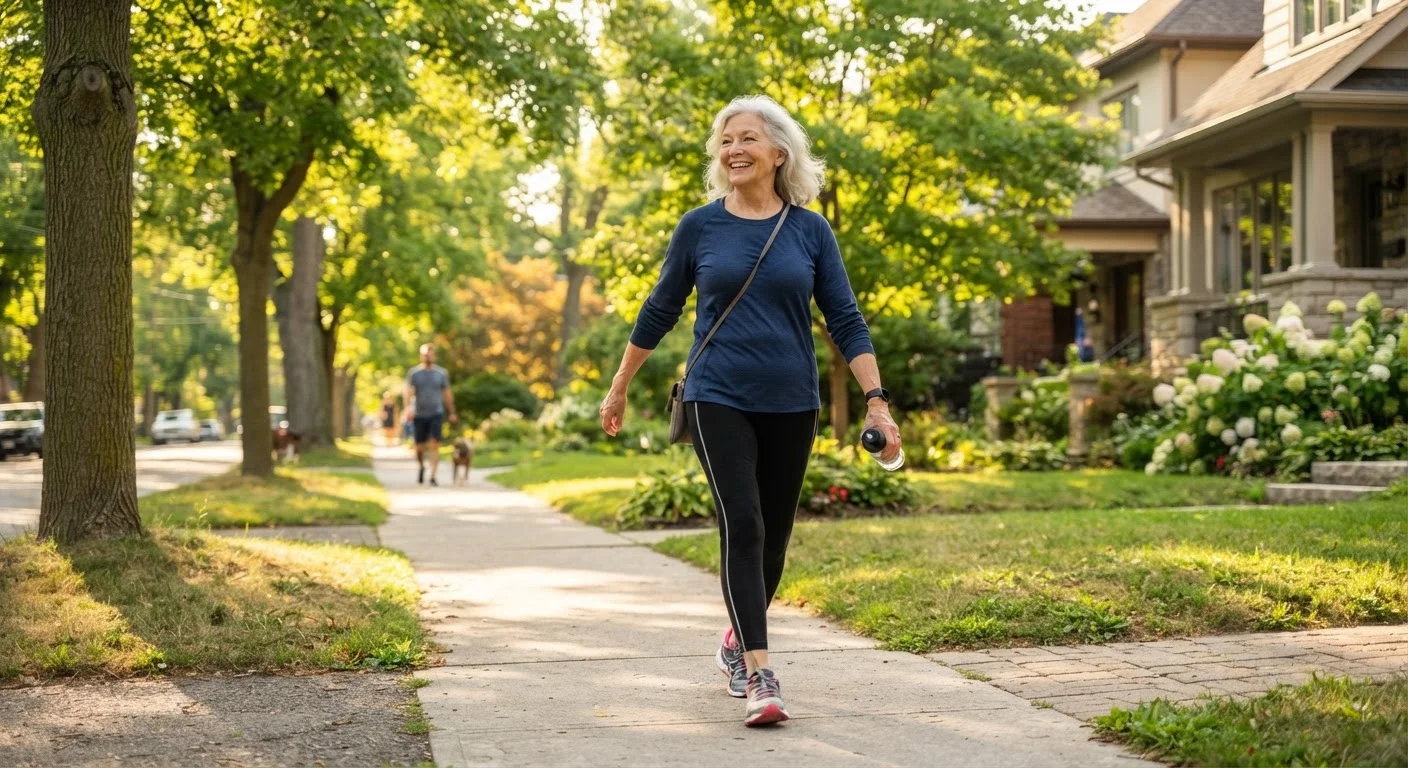
Photo: YetaWellness.com | Explore Trending Blogs editorial
Key Takeaways
- Starting slowly is not a compromise — it is the medically sound approach after extended inactivity.
- A conversation with your doctor before beginning is especially important if you have chronic conditions or joint issues.
- Consistency at low intensity builds the physiological base needed to progress safely.
- Walking, water exercise, and gentle stretching are effective, low-risk entry points for most returning older adults.
- Habit design — not willpower — is the strongest predictor of long-term activity success.
Why a Long Sedentary Period Changes What 'Starting' Means
Returning to physical activity after months or years of inactivity is a fundamentally different challenge than simply picking up where you left off — or starting fresh at a younger age. Extended sedentary periods produce real physiological changes: muscle mass and strength decline (a process called sarcopenia), cardiovascular efficiency drops, and connective tissues become less adaptable to load. These are not signs of failure; they are predictable biological responses to reduced demand.
For older adults especially, these changes compound with age-related shifts in balance, joint flexibility, and recovery capacity. Understanding this context matters not to discourage action, but to calibrate expectations. The goal isn't to undo years of inactivity in a month — it's to begin building a sustainable foundation. As our overview of active lifestyles across every age explains, movement remains profoundly beneficial at every stage — the approach simply shifts.
Before You Begin: A Realistic Health Check
Before significantly increasing your activity level, a conversation with your primary care provider is strongly recommended — particularly if you have cardiovascular disease, diabetes, osteoporosis, balance issues, or unmanaged joint pain. This isn't a bureaucratic hurdle; it's an opportunity to identify any conditions that should shape your approach and to rule out contraindications to certain movement types.
Your provider may refer you to a physical therapist for a baseline movement assessment, which can identify muscle imbalances, range-of-motion limitations, or fall risk factors before they become problems. This is especially useful if you're unsure where your current physical baseline sits.
Talk to Your Doctor Before Starting
If you're concerned about fall safety as you become more active, our article on balance and fall prevention covers practical habits that reduce risk during daily movement.
This article is for general informational purposes only and does not constitute medical advice. Always consult a qualified healthcare professional before starting a new physical activity program, particularly if you have existing health conditions.
The First Four Weeks: Building a Foundation
The first month of renewed activity has one primary objective: consistency at low intensity. This period is not about fitness gains — it's about reintroducing your musculoskeletal and cardiovascular systems to regular demand in a controlled way.
- Start short: Sessions of 10–15 minutes are entirely appropriate at first. Frequency matters more than duration in early stages.
- Choose manageable effort: Aim for a pace where you can hold a conversation — often described as moderate effort on a perceived exertion scale.
- Prioritize recovery: Rest days are productive days. Tissue adaptation happens during recovery, not during exercise itself.
- Track consistency, not performance: Logging whether you showed up — not how fast or how far — is the most useful early metric.
For a structured first-week approach that emphasizes mobility alongside light activity, your first week of daily mobility work provides a beginner-friendly framework that pairs well with this starting phase.
Movement Types That Work Well for Returning Older Adults
Not all physical activity carries the same risk-to-benefit ratio for someone returning from a long sedentary period. The following options are broadly well-tolerated and evidence-supported as entry points:
- Walking
- The most accessible form of aerobic activity for most people. It requires no equipment, is easily adjusted in pace and duration, and is associated with significant health benefits even at modest volumes. Our comparison of walking versus running may help you assess which best fits your current capacity.
- Water-based exercise
- Aquatic environments reduce joint loading substantially, making them an excellent option for adults with arthritis, excess body weight, or recent orthopedic concerns. Many community pools and YMCAs offer structured water exercise classes.
- Gentle stretching and mobility work
- Improving range of motion and body awareness reduces injury risk before progressing to higher-intensity activities. This is foundational, not optional.
- Chair-based or supported strength exercises
- Bodyweight movements performed with support maintain safety while rebuilding the functional muscle strength needed for everyday independence.
For a broader look at how environment affects your choices, see our article on outdoor versus indoor exercise for older adults.
Making Activity Stick: Habits Over Motivation
Motivation is useful for getting started, but behavioral research consistently shows that habit design — not sustained willpower — determines long-term adherence. A few principles with strong practical support:
- Anchor movement to existing routines: Attaching a short walk to something you already do daily (morning coffee, an afternoon break) dramatically reduces the decision cost of showing up.
- Reduce friction: Lay out walking shoes the night before. Keep equipment visible. Make the first step physically easy.
- Use social accountability: A consistent walking partner or group class provides both social benefit and structured commitment — two of the strongest predictors of activity maintenance in older adults.
- Plan for disruption: Life events, illness, and seasonal changes will interrupt any routine. Having a predetermined plan for restarting — even at a reduced level — prevents a brief pause from becoming permanent. Our resource on staying active through life disruptions addresses this directly.
For a comprehensive look at the broader habits that support vitality as you age, active aging and independent living is a valuable next read.
Frequently Asked Questions
The content on this site is for informational purposes only and is not a substitute for professional advice. Always consult a qualified professional for guidance specific to your situation.