
Outdoor Activity vs. Indoor Exercise: Weighing the Trade-Offs for Older Adults

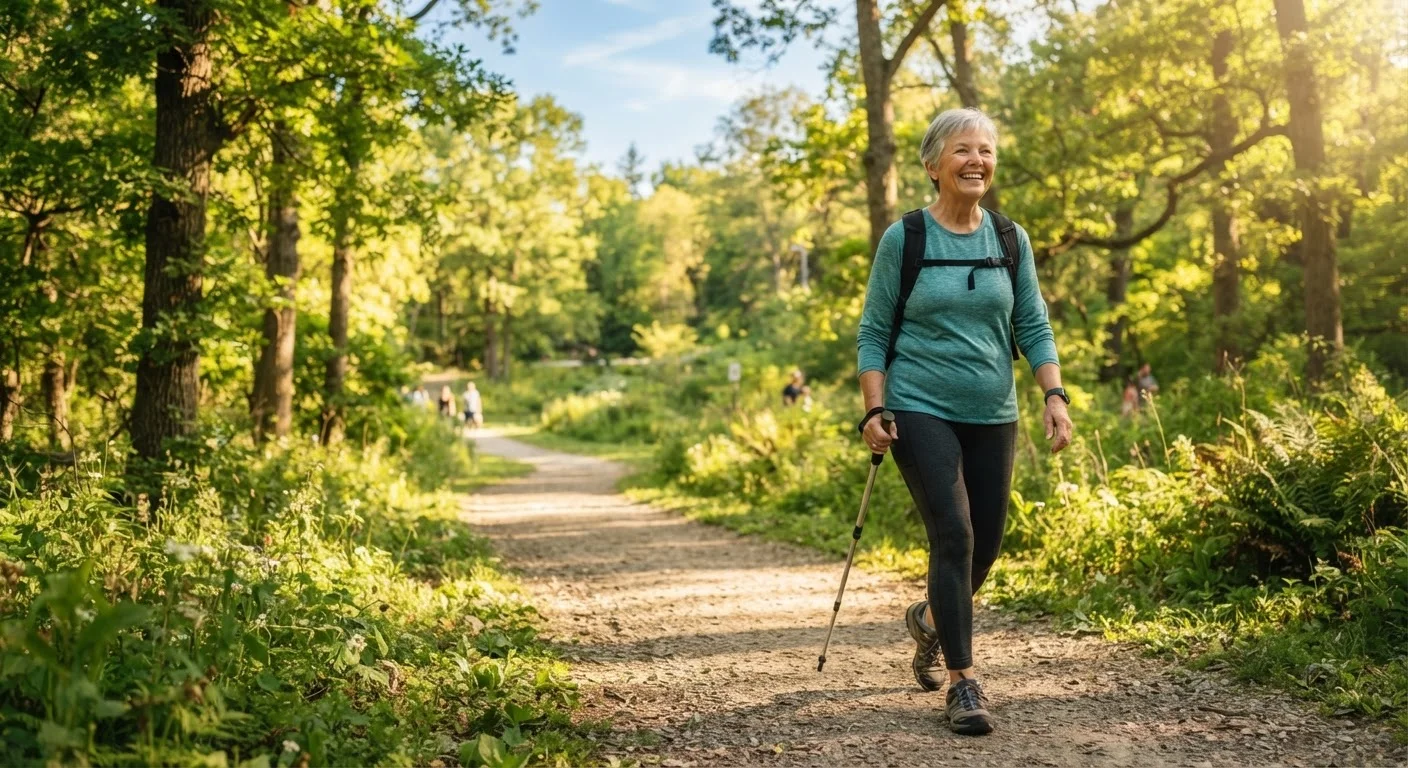
Photo: YetaWellness.com | Explore Trending Blogs editorial
Key Takeaways
- Outdoor activity provides unique mood, vitamin D, and cognitive benefits that indoor settings cannot fully replicate.
- Indoor exercise offers climate control, fall-risk reduction, and accessibility advantages especially valuable for older adults.
- Neither setting is universally superior — individual health status, local environment, and personal preference all matter.
- A hybrid approach combining both environments is often the most sustainable and health-supportive strategy.
- Always consult a healthcare provider before significantly changing your exercise routine, especially with existing health conditions.
Why the Setting of Your Exercise Actually Matters
Where you exercise is not merely a matter of preference — the environment itself shapes the physiological and psychological effects of movement. For older adults, these distinctions carry real weight. Terrain variability, ambient temperature, social exposure, and equipment access all influence not just exercise quality but also safety and consistency. Understanding what each setting genuinely offers helps you build a routine that works year-round, not just on ideal days.
As explored in our broader comparison of outdoor vs. indoor movement, each environment has structural advantages the other simply cannot match. For older adults specifically, the calculus involves a few additional considerations: fall prevention, thermoregulation, joint tolerance, and the psychological dimension of healthy aging.
The Case for Outdoor Activity
Exercising outside engages the body and mind in ways a gym or living room rarely can. Uneven ground — a gentle gravel path, grass, or mild inclines — activates stabilizing muscles and challenges balance in ways flat indoor surfaces do not. This kind of natural proprioceptive training (the body's sense of its own position and movement) can meaningfully support fall prevention over time.
Sunlight exposure also drives vitamin D synthesis, which supports bone density and immune function — both priorities in later life. Research consistently associates time in natural environments with reduced cortisol levels, improved mood, and lower perceived exertion during exercise. A walk in the park, in other words, may feel easier than the same walk on a treadmill, making it easier to sustain longer sessions.
Social opportunity is another underrated advantage. Neighborhood walks, outdoor fitness classes, and community parks create informal spaces for social connection — a factor strongly linked to cognitive health and reduced risk of depression in older adults. If building activity back into your routine is a goal, see our guide to starting active after a sedentary period for practical strategies.
| Outdoor Activity | Indoor Exercise | |
|---|---|---|
| Mood & Mental Health | Strong — nature exposure reduces stress and boosts mood | Good — structured routines support consistency and confidence |
| Fall Risk | Higher — uneven terrain, weather hazards | Lower — controlled, predictable surfaces |
| Vitamin D & Sunlight | Yes — supports bone and immune health | Minimal — artificial lighting only |
| Weather Dependence | High — seasonal and daily conditions apply | None — climate-controlled year-round |
| Balance & Stability Training | Natural — terrain variability activates stabilizers | Structured — equipment targets specific muscle groups |
| Social Opportunity | High — parks, trails, group walks | Moderate — gym classes, community centers |
| Accessibility for Joint Conditions | Variable — surface type matters greatly | High — low-impact equipment widely available |
| Exercise Consistency | Can be disrupted by weather or daylight | High — same conditions every session |
The Case for Indoor Exercise
Indoor settings remove several variables that can make outdoor activity genuinely risky for some older adults. Temperature extremes — both heat and cold — place additional cardiovascular demand on aging bodies. Ice, wet pavement, and uneven outdoor surfaces significantly elevate fall risk, which carries serious consequences for older adults. A controlled indoor environment eliminates these hazards.
Indoor exercise also enables more targeted, structured programming. Resistance machines, balance boards, stationary bikes, and pool-based aquatics all allow precise, low-impact conditioning that can be adapted for joint conditions such as osteoarthritis. For those managing chronic conditions or recovering from injury, supervised indoor settings provide access to trained staff and immediate support if needed.
Consistency is another indoor advantage. Weather, season, and daylight hours do not interrupt a home routine or gym schedule the way they do outdoor plans. Home workouts and gym training each have practical trade-offs worth weighing — but both share the core advantage of environmental predictability.
Combine Settings for the Best of Both
Building a Balanced Approach
The most resilient exercise routines for older adults tend to combine both environments strategically rather than committing exclusively to one. Outdoor walks, cycling, or gardening can anchor aerobic activity on mild-weather days, while indoor strength, balance, and flexibility work fills in the rest of the week. This hybrid model also provides a built-in backup when conditions outside are unsafe.
Movement needs do shift with age — but the value of variety does not. What changes and what stays the same across active lifestyles is worth understanding as you plan. Complementing your cardio with resistance training is equally important; see what older adults actually need from both strength and aerobic training for a detailed breakdown.
Periodically auditing your own routine — assessing what's working and what's missing — is a practical habit. A structured self-audit for active aging can help identify gaps before they become problems.
This article is for general informational purposes only and does not constitute medical advice. Older adults, particularly those with existing health conditions, should consult a qualified healthcare professional before making significant changes to their physical activity routine.
The content on this site is for informational purposes only and is not a substitute for professional advice. Always consult a qualified professional for guidance specific to your situation.