
Balance and Fall Prevention: Building a Safer Daily Routine

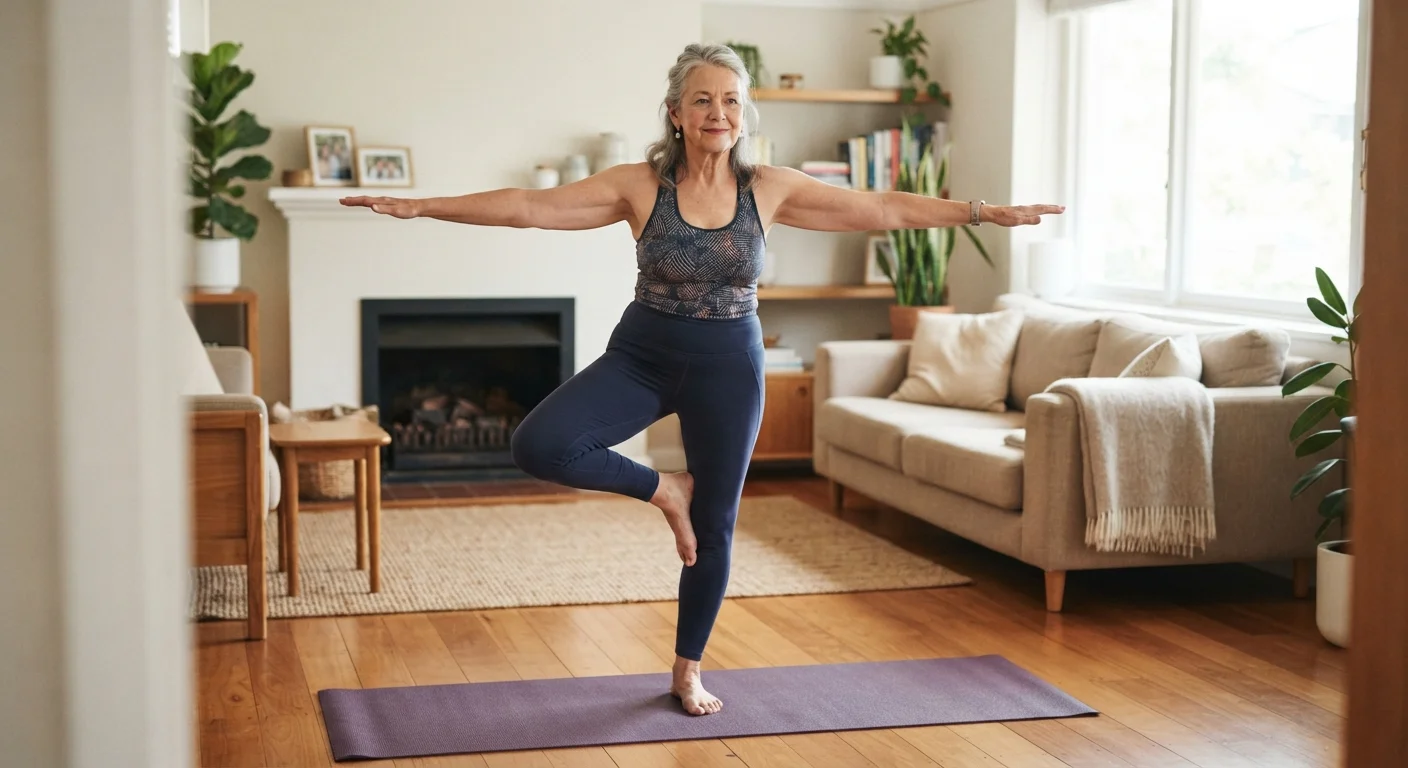
Photo: YetaWellness.com | Explore Trending Blogs editorial
Key Takeaways
- Falls are a leading cause of injury in older adults, but many risks are preventable with consistent daily habits.
- Balance training, home safety modifications, and footwear choices all contribute meaningfully to fall prevention.
- Simple exercises like single-leg standing and heel-to-toe walking can be woven into everyday routines.
- Medications, vision changes, and underlying conditions can increase fall risk — a healthcare provider can help assess these.
- Consistency matters more than intensity; short daily practice outperforms occasional longer sessions.
Why Balance Declines — and Why It Matters
Balance is a complex, coordinated system drawing on three inputs: the inner ear (vestibular system), vision, and sensory feedback from your muscles and joints (proprioception). As we age, each of these systems can gradually lose precision. Muscle mass declines, nerve conduction slows, and vision often becomes less sharp — all of which make it harder to recover from unexpected shifts in posture.
The consequences are significant. According to the Centers for Disease Control and Prevention (CDC), falls are the leading cause of both fatal and nonfatal injuries among adults aged 65 and older. Yet the evidence is clear: targeted daily habits can substantially reduce that risk. This is not about reversing aging — it is about training your body's balance systems to compensate more effectively and making your environment less likely to trigger a stumble.
For a broader view of the lifestyle habits that support independence over time, see our comprehensive active aging guide.
Consistency Beats Intensity
What You'll Need Before You Start
Building a fall-prevention routine requires very little equipment, but a few basics will make the practice safer and more effective.
What you will need
If you are returning to physical activity after a long break, this step-by-step guide for restarting movement safely is a useful companion resource.
Your Step-by-Step Daily Balance Routine
The steps below are designed to be integrated into moments you already have — morning, midday, and evening — rather than treated as a separate workout session. Begin with whatever feels accessible and build gradually.
Practice Single-Leg Standing Each Morning
While holding a stable countertop or sturdy chair back, lift one foot a few inches off the floor and hold for up to 10 seconds. Switch feet. Aim for three repetitions per side. As stability improves, try reducing your grip to fingertip contact only.
Add Heel-to-Toe Walking in a Hallway
Stand near a wall for reassurance, then walk forward by placing the heel of one foot directly in front of the toes of the other with each step — as if walking a tightrope. Take 10–20 steps at a slow, controlled pace. This trains the narrow base of support your body uses when navigating tight spaces.
Incorporate Seated Leg and Ankle Exercises
From a firm chair, practice ankle circles (rotating each foot 10 times in each direction) and seated knee lifts (raising one knee toward your chest and holding for two seconds, then alternating). These strengthen the muscles that stabilize your ankles and hips — two key joints for fall prevention.
Take a Short Daily Walk With Intentional Posture
A 10–15 minute walk is valuable not just for cardiovascular health but for reinforcing gait mechanics. As you walk, focus on an upright posture, a moderate stride length, and striking the ground with your heel first. Avoid looking down at your phone; keeping your gaze forward supports both balance and spatial awareness.
End the Day With a Brief Stretching Sequence
Tight hip flexors and calf muscles are common contributors to shuffled, unstable gait. A few minutes of gentle standing or seated stretching each evening — focusing on the calves, hip flexors, and hamstrings — can improve the range of motion that good balance depends on. Hold each stretch for 20–30 seconds without bouncing.
These same principles of incremental, sustainable movement apply to joint health habits for long-term mobility as well.
Assessing and Adjusting Your Home Environment
Even the most diligent balance practice can be undermined by a hazardous home environment. A few straightforward modifications address the most common fall triggers:
- Lighting: Ensure hallways, staircases, and bathrooms are adequately lit at night. Motion-activated nightlights are a practical solution.
- Rugs and flooring: Secure or remove loose rugs. Check that carpeting edges are tacked down and that floors are free of clutter.
- Bathroom safety: Consider grab bars near the toilet and inside the shower or tub. A non-slip bath mat is a low-cost, high-impact addition.
- Footwear: Wear properly fitted, closed-toe shoes with non-slip soles indoors. Avoid walking in socks or loose slippers on smooth surfaces.
- Staircase handrails: Confirm that railings are secure on both sides of any staircase you use regularly.
Running a broader self-audit of your daily wellness routine — including movement, rest, and nutrition — can reveal overlooked gaps. Our active aging routine self-audit provides a structured checklist for that purpose.
When to Involve a Healthcare Professional
Self-directed balance training is appropriate for many older adults, but certain circumstances call for professional evaluation before or alongside any routine. Speak with your doctor or a physical therapist if you experience any of the following:
- A recent fall, or a near-fall (loss of balance that was only barely recovered)
- Dizziness, lightheadedness, or vertigo
- Numbness or weakness in your legs or feet
- Concerns about whether a medication you take may be affecting balance
- A diagnosis such as Parkinson's disease, peripheral neuropathy, or osteoporosis that affects movement and stability
A physical therapist can conduct a formal gait and balance assessment and tailor exercises to your specific risk profile. Vision checks with an eye care professional are also an often-overlooked component of fall prevention. Good intentions toward any health habit are most durable when they are grounded in accurate self-knowledge — a point explored in why everyday prevention habits often break down.
This article is for general informational purposes only and does not constitute medical advice. Always consult a qualified healthcare professional before starting a new exercise program, particularly if you have existing health conditions, a history of falls, or concerns about your current medications.
The content on this site is for informational purposes only and is not a substitute for professional advice. Always consult a qualified professional for guidance specific to your situation.