
Why Consistency Beats Intensity in Exercise After 60

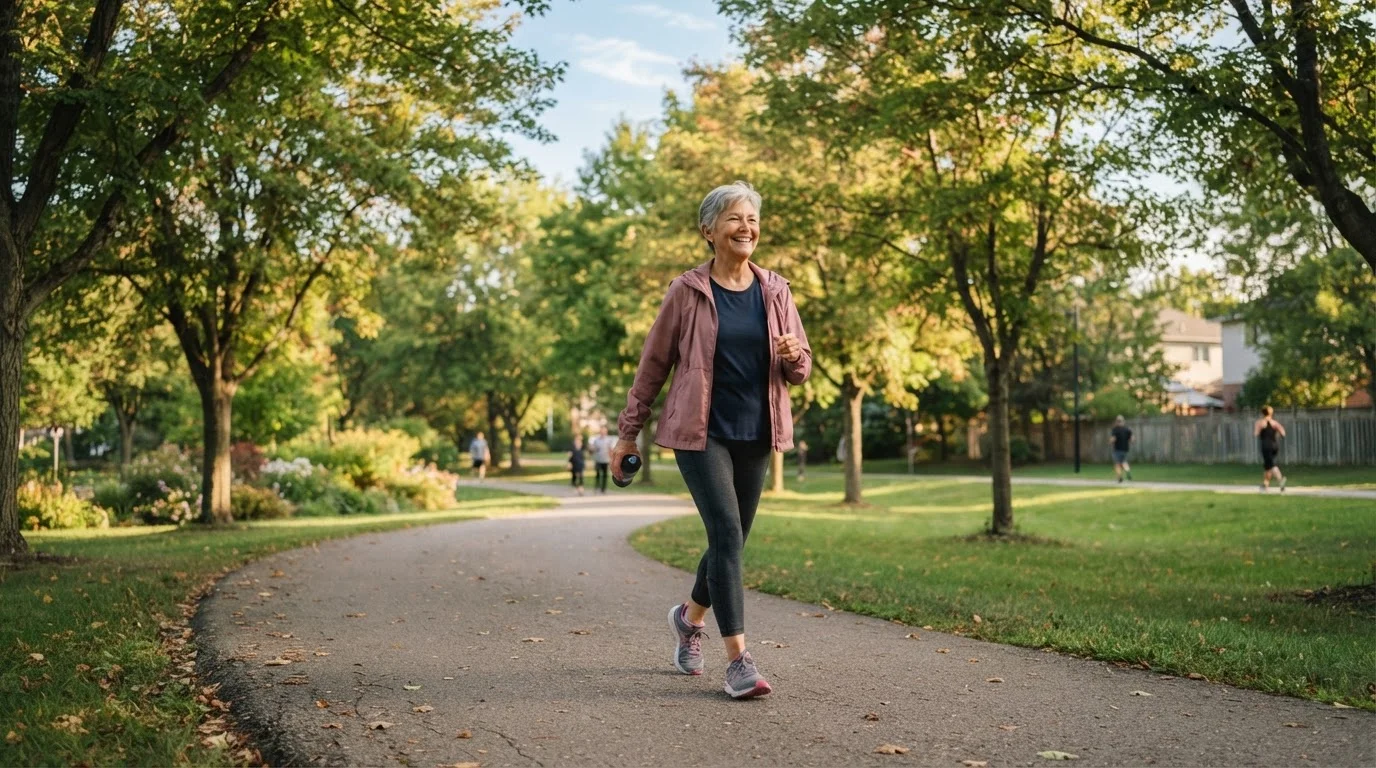
Photo: YetaWellness.com | Explore Trending Blogs editorial
Key Takeaways
- Regular moderate movement builds cardiovascular fitness and preserves muscle more reliably than sporadic intense sessions.
- Older bodies typically need more recovery time, making high-intensity exercise harder to sustain week after week.
- Consistency reduces injury risk — a key factor in maintaining long-term independence.
- Even short daily bouts of activity accumulate into meaningful health benefits over time.
- Movement habits are easier to maintain when they feel manageable, not punishing.
Why the 'Go Hard or Go Home' Mindset Doesn't Age Well
Fitness culture has long celebrated intensity — the longer run, the heavier lift, the sweat-soaked class. But for adults over 60, that framework can quietly work against the very goals it promises to support. Aging physiology responds differently to physical stress, and understanding that difference is the foundation of exercising smarter in later life.
After 60, recovery takes longer. Muscle protein synthesis — the process by which exercise triggers muscle repair and growth — slows with age. Connective tissues become somewhat less elastic. The window between a challenging workout and an overuse injury narrows. None of this means older adults should exercise less; it means the structure of how they exercise matters more than ever.
High-intensity workouts can deliver real benefits, but they also demand more downtime. An older adult who pushes very hard on Monday may need three or four days before their body is truly ready to work hard again. If that pattern leads to irregular activity — or worse, an injury that sidelines them entirely — the intensity has undermined the consistency that actually drives long-term health. To understand how these dynamics shift across the lifespan, see our overview of active lifestyles across every age.
What Consistency Actually Does for the Aging Body
When movement happens regularly — most days, at a manageable effort — the body accumulates a powerful compound effect. Cardiovascular efficiency improves incrementally. Muscle fibers are repeatedly signaled to stay active rather than atrophy. Balance and coordination are continuously rehearsed through neural pathways that require practice to remain sharp.
150 min
Weekly moderate activity recommended for older adults
The U.S. Department of Health and Human Services Physical Activity Guidelines for Americans recommend at least 150 minutes of moderate-intensity aerobic activity per week for adults, including those 65 and older.
~3–8%
Muscle mass lost per decade after age 30
Research published in journals on exercise gerontology estimates that adults lose roughly 3 to 8 percent of muscle mass per decade from age 30 onward, with rates accelerating after 60 — making regular resistance activity especially important.
30%
Reduction in fall risk with regular balance exercise
A Cochrane Review of exercise interventions found that programs focused on balance and functional training can reduce fall rates in older adults by approximately 23–30%, with regular participation being a key factor in that benefit.
Perhaps most importantly for older adults, consistent moderate exercise supports joint health over time. Daily movement lubricates cartilage, maintains range of motion, and keeps the muscles around joints strong enough to absorb impact. Our companion piece on daily movement habits for joint health explores this in practical detail.
Consistency also sustains energy. Mid-afternoon fatigue is a common complaint among adults over 60, and regular physical activity is one of the lifestyle factors most commonly associated with more stable energy throughout the day. Our article on the afternoon energy slump after 60 covers the underlying patterns and helpful responses.
Building a Routine That Sticks
The most effective exercise program for an older adult is one they will actually do — week after week, through schedule changes, seasonal shifts, and the ordinary friction of daily life. That requires choosing activities that feel accessible, not daunting.
Start Small, Stay Steady
Practically, this means favoring movement formats that fit naturally into your day: a morning walk, a twice-weekly strength session using bodyweight or light resistance, a gentle stretching routine before bed. These don't require a gym membership or a recovery day. They can be done consistently because they aren't exhausting.
For those who do want to include higher-effort work — and some older adults thrive with it — the key is deliberate progression rather than jumping straight to maximum challenge. The principle of progressive overload applies at every age: gradual increases in challenge, with adequate recovery built in. Similarly, emphasizing movement quality before adding load — as detailed in our piece on form before weight — reduces injury risk considerably.
For strength specifically, adapting your approach as your body changes is both smart and necessary. Our guide on strength training after 50 outlines how to do that thoughtfully.
This article is for general informational purposes only and does not constitute medical advice. Always consult a qualified healthcare professional before starting or significantly changing any exercise program, especially if you have existing health conditions.
Frequently Asked Questions
The content on this site is for informational purposes only and is not a substitute for professional advice. Always consult a qualified professional for guidance specific to your situation.