
Breathing Exercises for Stress: A Plain-Language Guide to Common Techniques

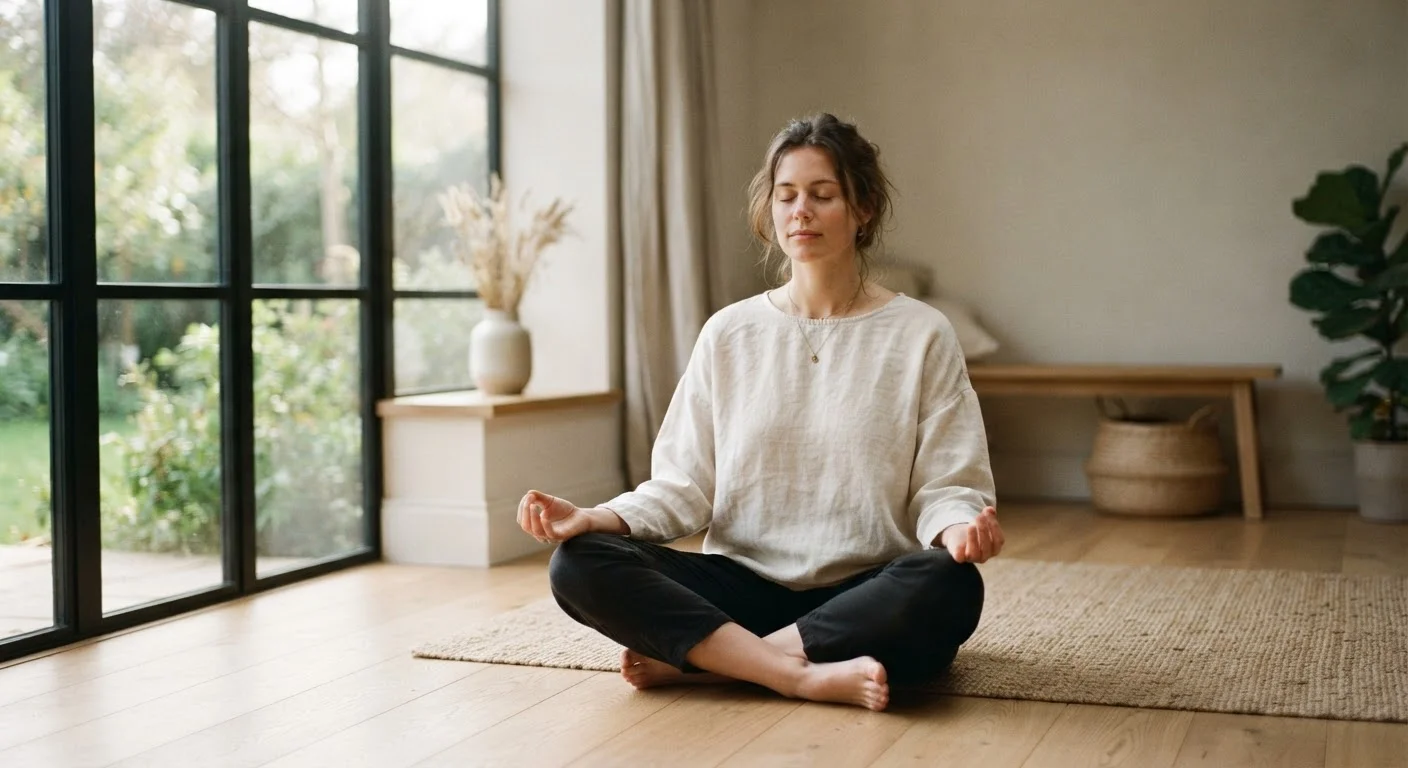
Photo: YetaWellness.com | Explore Trending Blogs editorial
Why Breathing Techniques Work
When stress kicks in, your body's autonomic nervous system shifts into a high-alert state — heart rate rises, muscles tense, and breathing becomes shallow and fast. Deliberate, slow breathing can help interrupt that cycle by activating the parasympathetic nervous system, sometimes called the "rest and digest" branch. This is not a cure or treatment for any condition; it's a physiological lever most people can pull on their own, anytime, anywhere.
If you're curious about the biology behind this, our plain-language guide to the stress response covers how fight-or-flight actually works. Understanding the underlying mechanism can make these techniques feel less abstract and more worth trying.
The techniques below are among the most widely recognized in clinical and wellness settings. They vary in rhythm and complexity — so if one doesn't feel comfortable, another might.
| Average resting breath rate | 12–20 breaths per minute (American Lung Association) |
| Resonance breathing target rate | ~5–6 breaths per minute (Referenced in psychophysiology research on HRV) |
| Box breathing pattern | Inhale 4 / Hold 4 / Exhale 4 / Hold 4 |
| 4-7-8 breathing pattern | Inhale 4 / Hold 7 / Exhale 8 |
| Who commonly uses box breathing | First responders, military, high-stress professionals |
| Nervous system branch targeted | Parasympathetic ("rest and digest") |
Common Breathing Techniques at a Glance
Box Breathing (4-4-4-4)
Box breathing follows a square pattern: inhale for 4 counts, hold for 4, exhale for 4, hold for 4. It's popular in high-stress professions — often cited in military and first-responder training — because it's easy to remember under pressure. Most people practice it for 1–5 minutes. It can be done sitting, standing, or lying down.
4-7-8 Breathing
Developed within yoga-inspired practices and popularized in wellness contexts, this technique involves inhaling for 4 counts, holding for 7, and exhaling slowly for 8. The extended exhale is thought to be the key mechanism — a long out-breath is associated with slowing heart rate. Some people find the 7-count hold challenging at first; shortening each number proportionally (e.g., 2-3.5-4) while keeping the ratio is a common beginner adaptation.
Diaphragmatic (Belly) Breathing
Rather than following a specific count, diaphragmatic breathing focuses on where the breath goes. The goal is to engage the diaphragm fully so that the belly rises on the inhale rather than the chest. Placing one hand on your chest and one on your abdomen can help you notice the difference. This technique is frequently recommended in physical therapy and stress-reduction programs for building a baseline breathing habit over time.
Resonance (Coherence) Breathing
Resonance breathing typically targets a rate of about 5–6 full breaths per minute — far slower than the average resting rate of 12–20 breaths per minute. Some research suggests that this pace may promote HRV (heart rate variability), a marker associated with calm, adaptive nervous system function. Guided audio or a simple timer can help newcomers maintain the pace.
Alternate Nostril Breathing (Nadi Shodhana)
Rooted in yogic tradition, this practice involves breathing in through one nostril while closing the other with a finger, then switching. It's often described as balancing or centering. While formal clinical evidence is still limited, many practitioners report it helpful for pre-sleep wind-down or before mentally demanding tasks. See how breath-focused approaches compare with other mindfulness methods in our guide to choosing a meditation style.
Parasympathetic nervous system
The branch of the autonomic nervous system responsible for the body's "rest and digest" state. It slows heart rate, lowers blood pressure, and counteracts the stress response.
Diaphragm
A dome-shaped muscle beneath the lungs that drives breathing. Engaging it fully — rather than breathing shallowly into the chest — is associated with calmer, more efficient breathing.
Heart rate variability (HRV)
The variation in time between successive heartbeats. Higher HRV is generally associated with greater adaptability of the nervous system and is sometimes used as a marker of stress resilience.
Resonance breathing
A slow-paced breathing practice, typically targeting around 5–6 breaths per minute, thought to promote heart rate variability and a relaxed physiological state.
Choosing What Works for You
No single technique is universally superior. Box breathing tends to suit people who want a structured, repeatable tool during acute stress — a tense meeting, a difficult conversation. Diaphragmatic breathing is often easier to build into a daily routine because it requires no counting. The 4-7-8 method is commonly used for sleep onset.
If you'd like to compare breathing exercises alongside other stress-relief strategies like journaling and exercise, our stress management approaches comparison lays out the landscape clearly. For moments when anxiety feels more acute, grounding techniques can work alongside breathwork to help interrupt anxious spirals.
A few practical notes: some people feel lightheaded when they change their breathing pattern — especially with breath-holds. If that happens, return to normal breathing and try a gentler approach. People with respiratory conditions, cardiovascular concerns, or anxiety disorders should speak with a healthcare provider before adopting breath-hold techniques. This guide is for general informational purposes and is not a substitute for personalized medical or mental health advice.
This article is for informational purposes only and does not constitute medical advice. If you have concerns about stress, anxiety, or any health condition, please consult a qualified healthcare professional.
The content on this site is for informational purposes only and is not a substitute for professional advice. Always consult a qualified professional for guidance specific to your situation.