
Body Scan, Breath Awareness, and Loving-Kindness: Choosing a Meditation Style

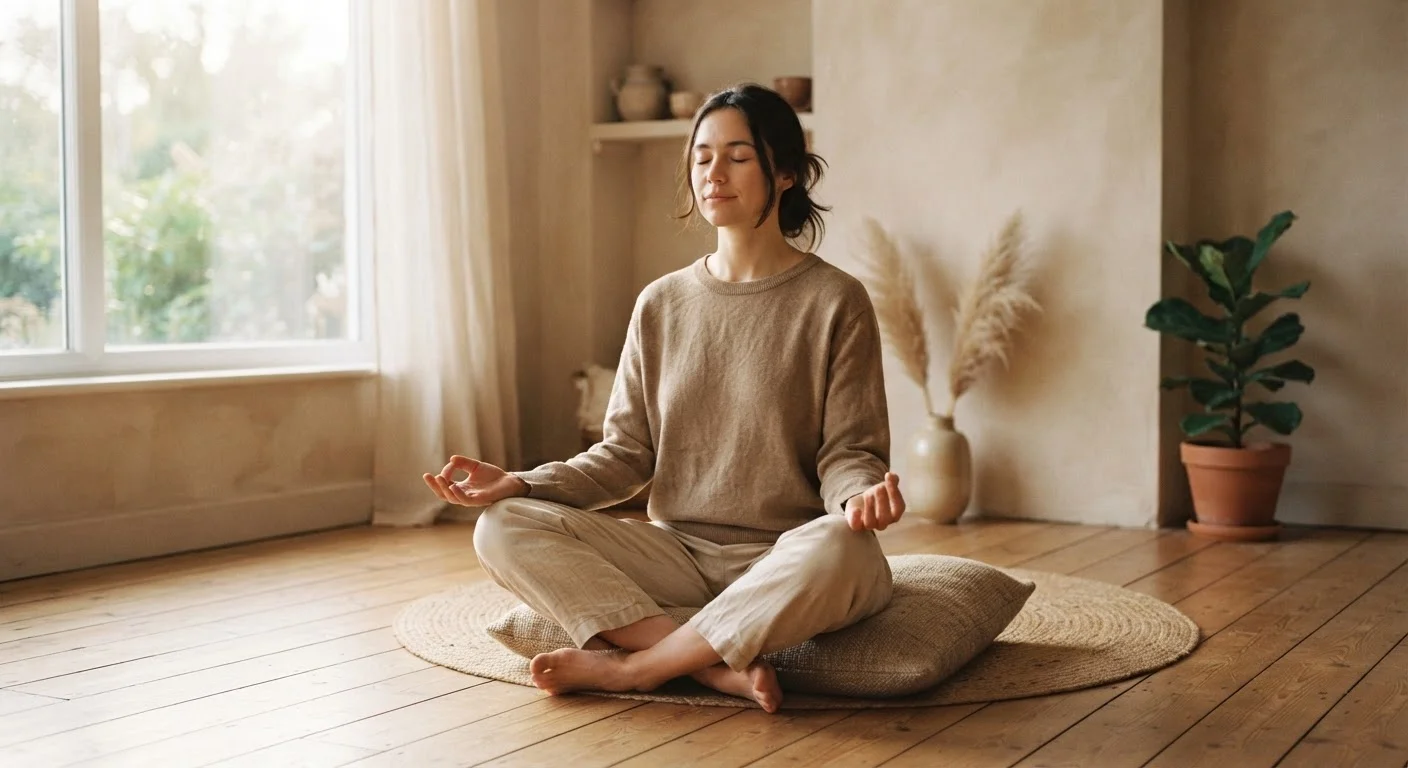
Photo: YetaWellness.com | Explore Trending Blogs editorial
Key Takeaways
- Body scan meditation targets physical tension by systematically shifting attention through the body.
- Breath awareness is the most accessible entry point for beginners with no prior meditation experience.
- Loving-kindness practice cultivates compassion and may help reduce feelings of isolation or self-criticism.
- No single style outperforms the others — the best fit depends on your goals and temperament.
- Even five minutes of consistent daily practice can yield measurable mental wellness benefits over time.
Why Meditation Style Actually Matters
Many people try meditation once, find their mind wandering endlessly, and conclude that it's simply "not for them." Often, the real culprit is a mismatch between technique and temperament — not a lack of aptitude. Different styles work through different mechanisms, and choosing one that aligns with your current needs makes consistency far more likely.
The three approaches compared here — body scan, breath awareness, and loving-kindness — represent the most widely researched and clinically applied forms of mindfulness-based practice. They share a foundation of present-moment awareness but diverge in focus, feel, and benefit. Understanding those differences is a practical first step, not an academic exercise. If you're curious how meditation fits into a broader stress-relief toolkit, this comparison of common stress-management approaches is a helpful companion read.
Breath Awareness: The Simplest Entry Point
Breath awareness — sometimes called mindfulness of breathing — asks you to rest your attention on the physical sensations of each inhale and exhale. When the mind drifts (and it will), you simply notice and return without judgment. That returning is the practice, not a sign of failure.
Research published in clinical psychology literature consistently links breath-focused meditation to reductions in perceived stress and improvements in attentional control. Because it requires no visualization, no special posture, and no prior knowledge, it functions as the most portable and beginner-friendly of the three styles. A five-minute session at a desk or on a bus is genuinely viable.
The potential limitation: people who are highly anxious about bodily sensations or who have a complicated relationship with breathing may initially find the focus on breath activating rather than calming. In those cases, starting with an eyes-open, ambient-sound anchor can help — or exploring the styles below may be a better fit. For a deeper look at structured breathing techniques that complement this practice, see this plain-language guide to breathing exercises.
Body Scan: Meeting Stress Where It Lives
Body scan meditation directs attention methodically through regions of the body — typically from the feet upward — noticing sensations without trying to change them. The goal is not relaxation per se, but a clearer awareness of where tension, numbness, or discomfort is being held.
This style is a core component of Mindfulness-Based Stress Reduction (MBSR), the structured eight-week program developed by Jon Kabat-Zinn at the University of Massachusetts Medical School. Studies examining MBSR have found associations between body scan practice and reductions in both psychological distress and physical pain perception, though individual results vary considerably.
Body scan tends to suit people who feel disconnected from their bodies, those recovering from high-stress periods, or anyone who notices that their stress shows up physically — tight shoulders, a clenched jaw, a knotted stomach. A typical session runs 20–45 minutes in formal programs, but shortened 10-minute versions are well supported by guided audio resources. It pairs naturally with movement-based practices; if you're also interested in how physical disciplines compare, this guide to yoga, Pilates, and Tai Chi covers complementary ground.
| Breath Awareness | Body Scan | Loving-Kindness | |
|---|---|---|---|
| Primary focus | Breath sensations | Physical body regions | Compassionate phrases |
| Best for | Beginners, attention training | Physical tension, stress recovery | Self-criticism, loneliness |
| Typical session length | 5–20 minutes | 10–45 minutes | 10–30 minutes |
| Learning curve | Low | Low to moderate | Moderate |
| Research support | Strong, widely studied | Strong (MBSR programs) | Growing, promising |
| Potential challenge | Mind wandering | Falling asleep | Emotional discomfort initially |
Loving-Kindness: Cultivating Compassion Inward and Outward
Loving-kindness meditation (from the Pali term metta) involves silently repeating phrases of goodwill — toward yourself, then progressively toward others, including neutral acquaintances and even difficult people. Common phrases follow the pattern: "May I be happy. May I be healthy. May I be at peace."
This approach addresses a dimension the other two styles don't directly target: self-critical thinking and interpersonal disconnection. Research in positive psychology suggests that regular loving-kindness practice is associated with increases in positive emotion, social connectedness, and self-compassion — though, as with all meditation research, study quality varies and effects differ between individuals.
It can feel awkward at first, especially for those who struggle with self-compassion. Sitting with phrases like "May I be happy" while feeling the opposite is a real experience many practitioners describe. That friction, however, is often where the most meaningful shifts occur over time. For readers curious about how this compares to purely relaxation-based techniques, this article on mindfulness versus relaxation clarifies the distinction.
This article is for general informational and educational purposes only and is not a substitute for professional medical or mental health advice. If you are experiencing significant anxiety, depression, trauma, or other mental health concerns, please consult a qualified healthcare provider.
The content on this site is for informational purposes only and is not a substitute for professional advice. Always consult a qualified professional for guidance specific to your situation.