
Mindfulness Meditation vs. Relaxation Techniques: Understanding the Difference

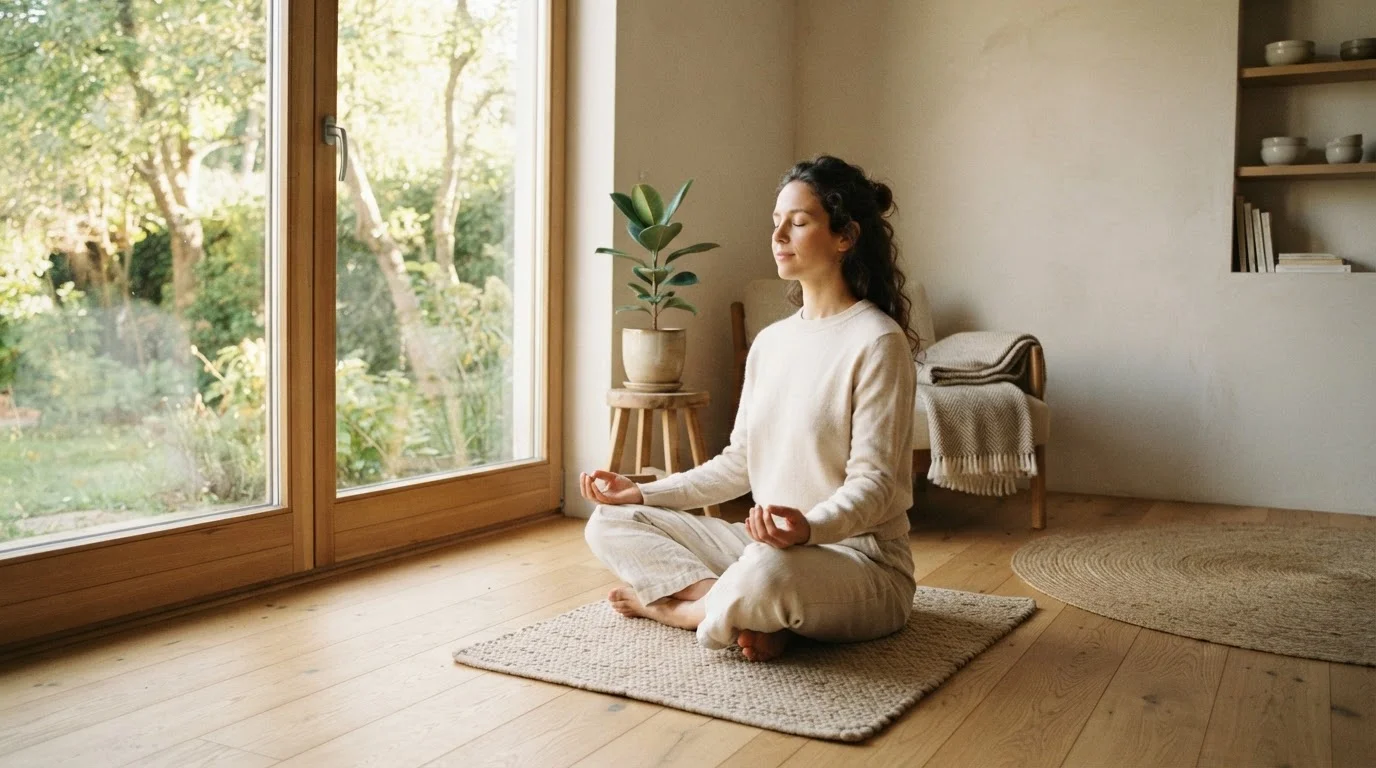
Photo: YetaWellness.com | Explore Trending Blogs editorial
Key Takeaways
- Mindfulness meditation trains attention and awareness; relaxation techniques primarily calm the nervous system.
- Both approaches reduce stress, but through meaningfully different mechanisms.
- Relaxation techniques tend to deliver faster physical relief; mindfulness builds longer-term emotional resilience.
- The two are not mutually exclusive — many people benefit from using both.
- Neither replaces professional care for diagnosed anxiety disorders or other mental health conditions.
Why the Distinction Matters
The words mindfulness and relaxation get used almost interchangeably in wellness conversations — on apps, in workplaces, even in clinical settings. But they describe different processes with different goals. Treating them as identical can leave you wondering why a technique isn't working the way you expected, or why you feel calmer in the moment but still anxious overall.
Understanding the difference isn't an exercise in semantics. It helps you choose the right tool for what you're actually experiencing. For a broader look at how these practices fit into mental recovery, see this complete overview of mindfulness and rest.
How Each Approach Works
Mindfulness meditation is a deliberate mental training practice. Its core instruction is to pay attention — typically to the breath, bodily sensations, or thoughts — without trying to change or judge what you notice. The goal isn't calm; it's awareness. Calm may arise, but so might discomfort. What changes over time is your relationship to whatever arises. For a plain-language breakdown of what mindfulness really involves, this explainer on what mindfulness actually is goes deeper.
Relaxation techniques — including deep diaphragmatic breathing, progressive muscle relaxation (PMR), guided imagery, and autogenic training — target the body's stress-response system more directly. They work by triggering the parasympathetic nervous system (often called the "rest and digest" response), which counters the physiological arousal of stress. The intended outcome is a measurable reduction in heart rate, muscle tension, and perceived anxiety, often within a single session.
| Criterion | Mindfulness Meditation | Relaxation Techniques |
|---|---|---|
| Primary goal | Cultivate non-judgmental awareness | Reduce physiological stress response |
| Mechanism | Attentional training and cognitive reappraisal | Parasympathetic nervous system activation |
| Speed of effect | Builds over weeks and months | Often felt within a single session |
| Learning curve | Moderate; early sessions can feel frustrating | Low; accessible to most beginners immediately |
| Common formats | Breath awareness, body scan, loving-kindness | Deep breathing, PMR, guided imagery |
| Emotional content | Encourages noticing emotions without reacting | Focused on reducing tension, not processing emotion |
| Research support | Strong evidence for anxiety, depression, stress | Strong evidence for acute stress and muscle tension |
What They Share — and Where They Diverge
Both practices ask you to slow down and redirect attention inward, which is why the overlap feels intuitive. Both can reduce self-reported stress and are used in clinical settings as complementary supports. Research published in peer-reviewed psychology journals has found measurable benefits for each in contexts ranging from chronic pain management to workplace stress.
The key divergence is in intent. Relaxation techniques aim to shift your physiological state — to move from activated to calm. Mindfulness meditation aims to shift your cognitive stance — to move from reactive to observant. Put simply: relaxation changes how your body feels right now; mindfulness changes how your mind responds over time.
This also means they carry different learning curves. Most people experience relief from a simple breathing exercise on the first try. Mindfulness, by contrast, often feels frustrating early on — noticing how restless the mind is can feel counterproductive before the skills develop. That's normal, not failure.
Choosing What Fits Your Needs
Neither approach is universally superior. The better question is: what are you hoping to address?
If acute stress is the issue — a difficult meeting, poor sleep the night before, a spike of pre-event anxiety — a focused relaxation technique can offer real, immediate support. If you're looking to gradually reduce background anxiety, improve emotional regulation, or develop a steadier relationship with difficult thoughts, consistent mindfulness practice may be more effective over weeks and months.
Many people find value in both. A few minutes of deep breathing before a mindfulness sit can help the body settle enough for awareness practice to feel accessible. Conversely, someone who meditates regularly often finds relaxation techniques more effective because they've developed stronger attentional control.
If you're curious about specific meditation styles that pair well with relaxation-based entry points, this guide to choosing a meditation style is a useful next step. For a wider view of how these fit alongside other evidence-informed strategies, see this comparison of stress management approaches.
A Note on Clinical Conditions
This article is for general informational purposes only and is not a substitute for professional medical or mental health advice. If you are experiencing persistent anxiety, low mood, or other mental health concerns, please consult a qualified healthcare provider.
The content on this site is for informational purposes only and is not a substitute for professional advice. Always consult a qualified professional for guidance specific to your situation.