
Practical Ways to Eat More Vegetables Without Overhauling Your Routine

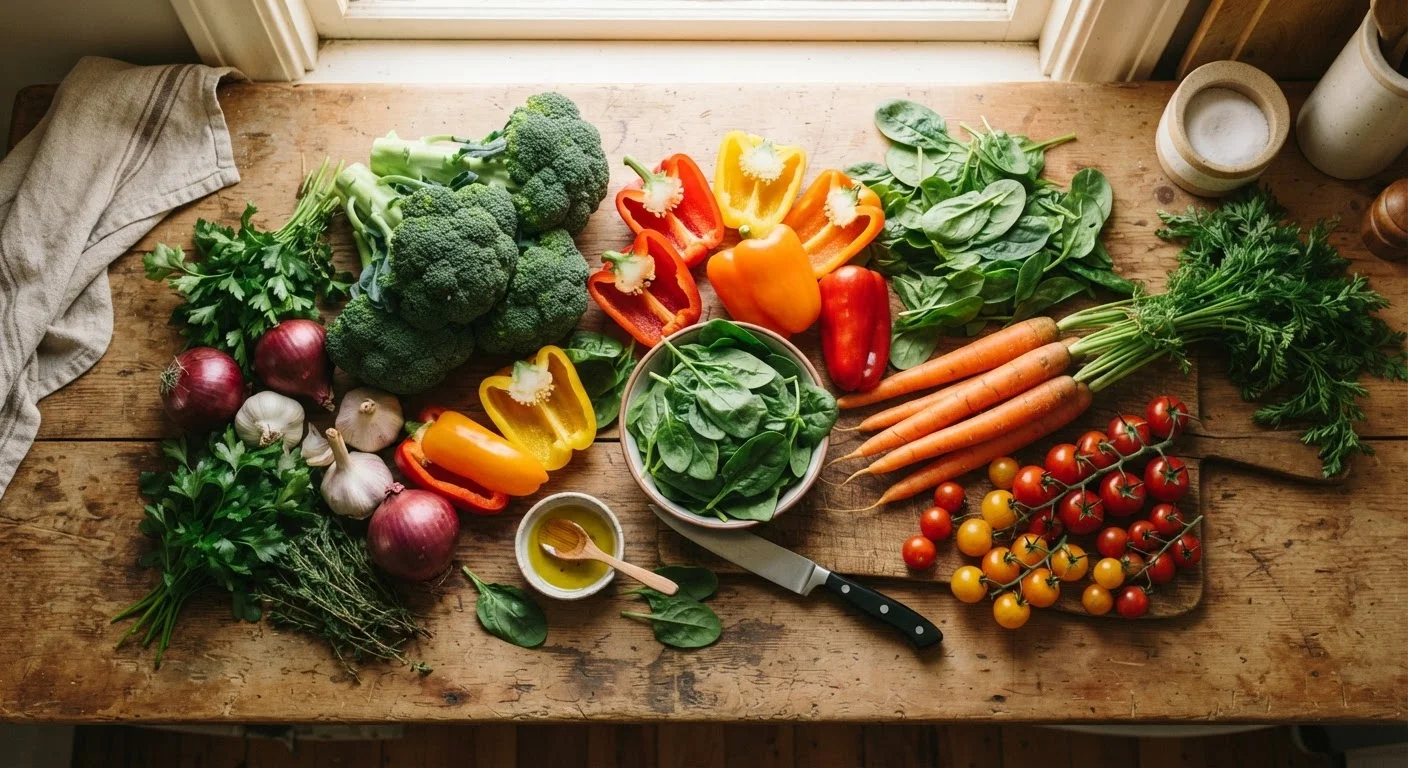
Photo: YetaWellness.com | Explore Trending Blogs editorial
Key Takeaways
- Layering vegetables into meals you already make is more sustainable than building entirely new routines.
- Frozen and canned vegetables are nutritionally comparable to fresh and remove prep as a barrier.
- Visible, accessible vegetables in your kitchen are more likely to be eaten than those stored out of sight.
- Swapping half a protein or grain portion for vegetables is a low-effort way to increase intake.
- Consistent small additions — not perfection — drive long-term eating pattern improvements.
Why Small Additions Beat Big Overhauls
Most Americans fall short of the recommended 2½ to 3 cups of vegetables per day, according to the U.S. Dietary Guidelines for Americans. But the gap rarely closes through dramatic dietary restructuring. Research on behavior change consistently shows that attaching new habits to existing routines — a strategy sometimes called "habit stacking" — produces more durable results than wholesale lifestyle changes.
The strategies below are designed to work within your current schedule, not against it. Each one targets a specific friction point: prep time, taste preference, shopping habits, or portion size. You don't need to implement all of them at once. Choosing even one or two that fit your life moves the needle meaningfully. For a broader look at why incremental changes outperform strict diet plans, see why small dietary shifts outperform strict diets.
Add vegetables to meals you already make
Rather than planning entirely new recipes, identify two or three meals you cook regularly and find a natural place to insert vegetables. Stir a handful of spinach into scrambled eggs. Add frozen peas or diced zucchini to pasta sauce. Fold shredded carrots into ground meat for tacos or burgers. The flavor profile of the dish stays familiar, but the nutritional density increases with minimal extra effort.
This approach works because it doesn't require learning new cooking skills or changing shopping habits significantly — the vegetables become extensions of what you already do.
Inserting vegetables into familiar meals keeps cooking approachable while meaningfully boosting nutritional value.
Keep prepped vegetables at eye level in the fridge
Environmental design matters more than motivation in most eating decisions. Studies in behavioral nutrition suggest that people eat what is visible and convenient. Washing and cutting vegetables — celery sticks, cucumber rounds, bell pepper strips — and storing them in clear containers at eye level in the refrigerator increases the likelihood they'll be grabbed as a snack or side without deliberate planning.
This simple repositioning removes two barriers at once: the visual cue is there, and the prep work is already done.
Visible, pre-cut vegetables in clear containers get eaten; produce hidden in crisper drawers often gets forgotten.
Use frozen vegetables without guilt
Frozen vegetables are harvested at peak ripeness and frozen quickly, which preserves most of their vitamins and minerals. For many nutrients, frozen options are nutritionally comparable — and sometimes superior — to fresh produce that has spent days in transit or storage. They also eliminate the prep barrier entirely for vegetables like peas, corn, edamame, and broccoli florets.
Keeping a well-stocked freezer means you always have a vegetable option available, even on nights when fresh produce isn't on hand. This is one of the most underused and evidence-supported ways to close the vegetable intake gap.
Frozen vegetables are a nutritionally sound, low-prep option that removes the "I don't have anything fresh" excuse.
Swap half your grain or protein portion for vegetables
A practical strategy dietitians often recommend is the "half plate" approach: fill at least half your plate with non-starchy vegetables before adding grains, proteins, or other components. If that feels like too large a shift initially, start smaller — replace half of your rice serving with cauliflower rice, or use a large lettuce wrap instead of a tortilla for one meal a week.
These partial swaps reduce caloric density without requiring you to feel hungry or deprived, and they add fiber, which supports digestive health and satiety.
Partial swaps — half rice, half cauliflower — are easier to sustain than all-or-nothing changes to familiar meals.
Build a vegetable-first snack habit
Most snacking in the U.S. defaults to packaged, processed foods — not because people dislike vegetables, but because grabby, shelf-stable snacks require no preparation. Counter this by pairing a pre-cut vegetable with a satisfying dip such as hummus, guacamole, or nut butter. The combination of fiber from the vegetable and fat or protein from the dip helps the snack feel filling rather than like a consolation prize.
Replacing even one daily packaged snack with a vegetable-based alternative adds up meaningfully across a week. For strategies on fitting habits like this into a packed schedule, see building prevention habits into a busy day.
Pairing raw vegetables with a satisfying dip transforms snack time into an easy daily vegetable opportunity.
Blend vegetables into sauces, soups, and smoothies
Blending is a useful technique for increasing vegetable intake when texture is a barrier — a common issue for adults and children alike. Pureed butternut squash thickens pasta sauces. Spinach disappears into a fruit-forward smoothie without altering the flavor significantly. White beans blended into soups add body and nutrition without being detectable.
This approach is not about hiding vegetables indefinitely, but about lowering the sensory threshold while habits develop. Over time, many people find their palate adjusts and they become more comfortable with whole vegetable textures and flavors.
Blending vegetables into familiar dishes lowers the sensory barrier while delivering real nutritional benefits.
Turning These Habits Into Lasting Routines
The goal isn't to eat perfectly — it's to shift your default patterns gradually over time. Kitchens stocked with visible, accessible vegetables consistently support higher intake without requiring conscious decision-making at every meal. Our grocery list audit guide walks through exactly how to evaluate your fridge, pantry, and freezer so that vegetables become the easy choice rather than the effortful one.
If you're also looking to get more nutritional value from the vegetables you already buy, small changes in preparation — such as lightly steaming versus boiling — can meaningfully affect micronutrient retention. Getting more nutrients from foods you already eat covers practical, food-first approaches to doing exactly that.
This article is for general informational and educational purposes only and is not a substitute for professional medical or dietary advice. Consult a qualified healthcare provider or registered dietitian for personalized guidance.
The content on this site is for informational purposes only and is not a substitute for professional advice. Always consult a qualified professional for guidance specific to your situation.