
Getting More Nutrients From the Foods You Already Eat

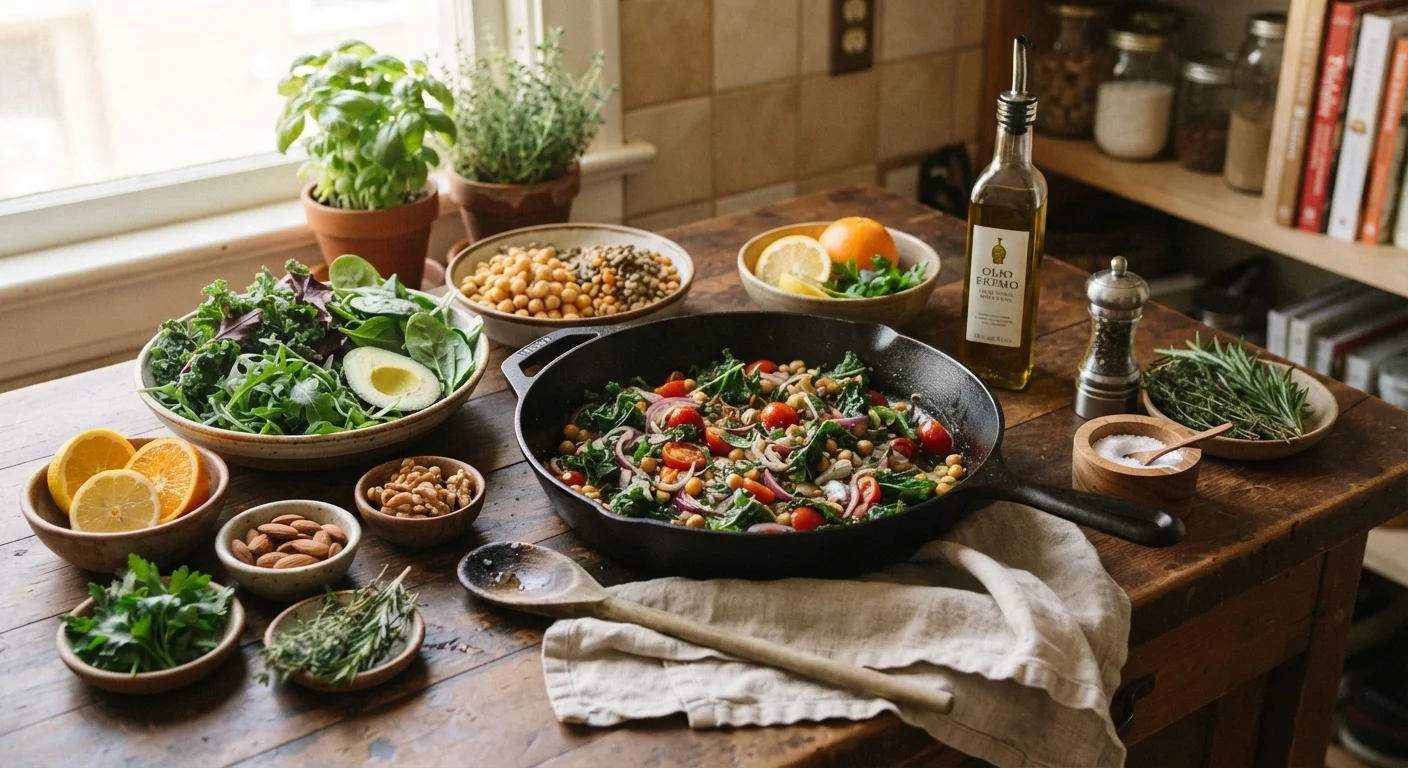
Photo: YetaWellness.com | Explore Trending Blogs editorial
Key Takeaways
- Cooking method and food pairing significantly affect how many nutrients your body absorbs.
- Fat-soluble vitamins like A, D, E, and K require dietary fat to be absorbed effectively.
- Vitamin C consumed alongside iron-rich plant foods can meaningfully improve iron absorption.
- Soaking, fermenting, or sprouting grains and legumes reduces compounds that block mineral absorption.
- You don't need to overhaul your diet — small, consistent tweaks deliver real nutritional benefit.
Why Absorption Matters as Much as What You Eat
Most nutrition conversations focus on which foods to eat, but a less-discussed factor is equally important: bioavailability — how much of a nutrient your body can actually absorb and use after digestion. Two people eating identical meals can absorb very different amounts of iron, calcium, or vitamin A depending on what else they eat, how the food was prepared, and their individual physiology.
If you're curious about what micronutrients are and why they matter in the first place, see our plain-language beginner's guide to micronutrients. This article focuses on practical steps you can take right now — using foods you likely already buy — to get more nutritional value from every meal.
The strategies below are grounded in established nutritional science and current dietary guidance. They require no special equipment and no dramatic lifestyle change.
What You'll Need
No specialized tools or exotic ingredients are required. The approach here works within an ordinary American kitchen and a typical weekly grocery run.
What you will need
Once you have these basics in place, you're ready to apply the steps below.
Step-by-Step: Practical Techniques to Boost Nutrient Absorption
Work through these steps progressively. You don't need to implement all of them at once — even one or two applied consistently can make a meaningful difference over time.
Add a fat source when eating fat-soluble vitamins
Vitamins A, D, E, and K are fat-soluble, meaning they require dietary fat to be absorbed. Foods rich in these vitamins include leafy greens (K), carrots and sweet potatoes (A), and nuts and seeds (E). Eating these foods with a small amount of healthy fat — olive oil, avocado, nuts, or a full-fat dressing — significantly improves how much of the vitamin your body absorbs.
A simple example: drizzle olive oil over a spinach salad rather than using a fat-free dressing. Research suggests this can increase beta-carotene and vitamin K absorption substantially compared to a fat-free version of the same salad.
Pair plant-based iron with vitamin C
Non-heme iron — the form found in beans, lentils, tofu, fortified cereals, and dark leafy greens — is absorbed less efficiently than the heme iron in animal products. However, consuming vitamin C alongside non-heme iron sources can increase absorption by helping convert iron into a more absorbable form.
Practical pairings include: squeezing lemon juice over lentil soup, adding bell pepper strips to a bean burrito, or eating a small orange alongside a bowl of fortified oatmeal.
Choose lower-heat or shorter cooking methods for water-soluble vitamins
Vitamins B and C are water-soluble and sensitive to both heat and water. Boiling vegetables for extended periods and discarding the water removes a significant portion of these nutrients. Steaming, microwaving, stir-frying, or roasting retains more of the original vitamin content.
When boiling is preferred — for pasta or grains — consider repurposing the cooking water in soups or sauces to recover some of the leached nutrients.
Soak or rinse legumes and grains before cooking
Beans, lentils, and whole grains contain naturally occurring compounds called phytates (or phytic acid) that bind to minerals like zinc, iron, and calcium, reducing how much your body absorbs. Soaking dried beans for several hours before cooking and then discarding the soaking water reduces phytate content noticeably.
Canned beans are a convenient alternative — rinsing them thoroughly removes a portion of phytates as well. Fermented or sprouted grain products (such as sourdough bread or sprouted grain tortillas) also have reduced phytate levels due to the fermentation or germination process.
Cook tomatoes and carrots to unlock certain antioxidants
Not all nutrients are more available in raw form. Lycopene, the antioxidant in tomatoes, and beta-carotene in carrots become significantly more bioavailable after cooking. Heat breaks down cell walls in these foods, releasing compounds that would otherwise pass through the digestive system largely intact.
Tomato sauce, roasted carrots, and cooked red pepper are all examples of how heat can work in your nutritional favor. Combining cooked tomatoes with olive oil — as in a classic marinara — delivers both improved lycopene availability and the fat needed to absorb it.
For a deeper look at how specific nutrients enhance each other's effectiveness, explore our article on nutrient synergies and smart food pairings.
Common Pitfalls That Quietly Reduce Nutrient Value
Even well-intentioned eating habits can create gaps. Overcooking vegetables in large amounts of water leaches water-soluble vitamins like C and B vitamins into the liquid, which is then discarded. Drinking strong tea or coffee with meals can reduce iron absorption due to compounds called tannins and polyphenols — spacing these beverages an hour away from iron-rich meals is a simple workaround.
High-dose calcium and iron supplements taken together can compete for absorption — but this is primarily a concern with supplemental doses, not food. If you're evaluating whether supplements are necessary at all, our comparison of food versus supplements for micronutrient needs offers a clear-eyed breakdown.
Save Your Vegetable Cooking Water
It's also worth noting that a seemingly healthy diet can still fall short in specific nutrients. Common patterns that create unnoticed gaps are covered in our article on hidden micronutrient gaps in healthy-seeming diets.
This article is for general informational purposes only and does not constitute medical or dietary advice. Individual nutritional needs vary. Consult a registered dietitian or qualified healthcare professional for guidance tailored to your health status, particularly if you have a chronic condition, are pregnant, or are managing a specific nutrient deficiency.
The content on this site is for informational purposes only and is not a substitute for professional advice. Always consult a qualified professional for guidance specific to your situation.