
Nutrients That Work Better Together: Understanding Micronutrient Synergies

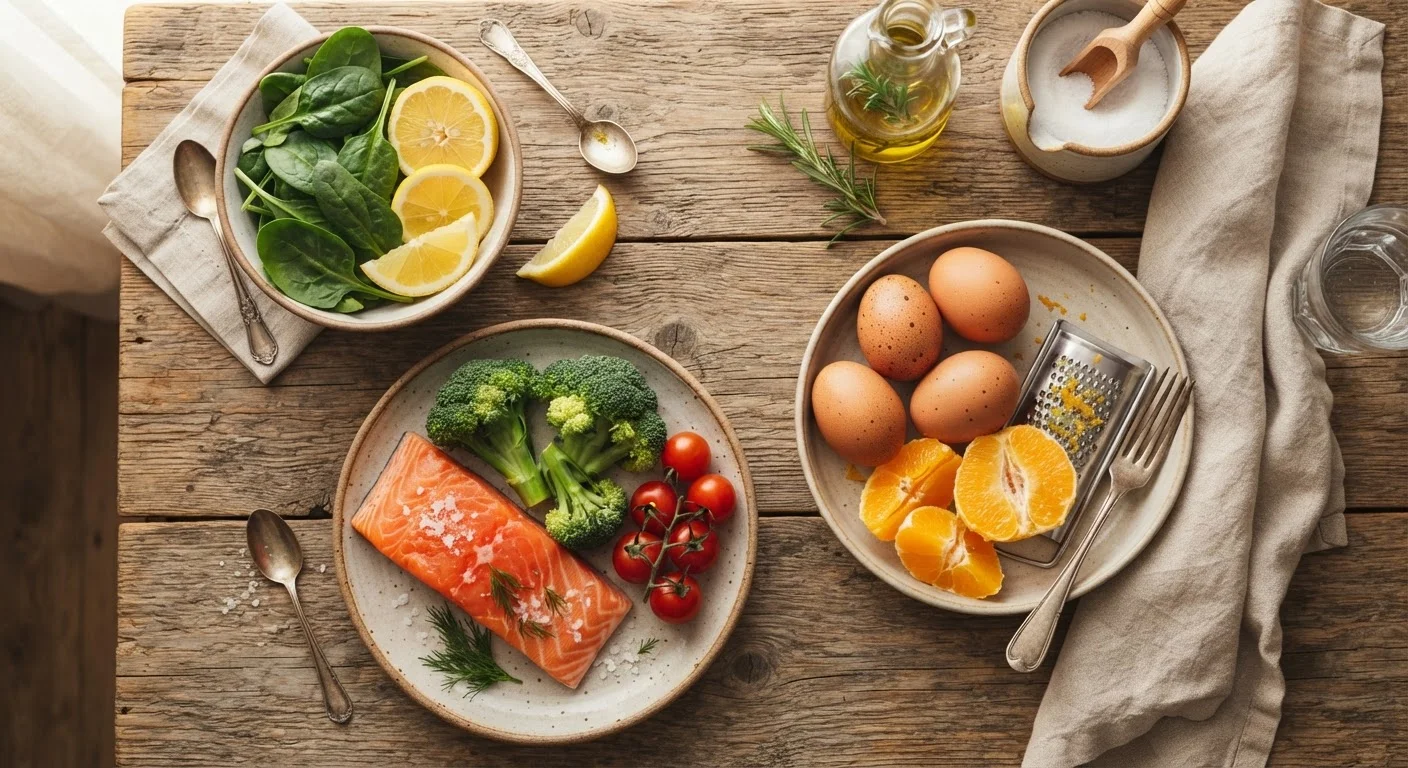
Photo: YetaWellness.com | Explore Trending Blogs editorial
Key Takeaways
- Some vitamins and minerals enhance each other's absorption, making food pairings more powerful than eating nutrients in isolation.
- Vitamin C dramatically increases iron absorption from plant-based foods — a pairing with major practical impact.
- Fat-soluble vitamins like D, E, K, and A require dietary fat to be properly absorbed by the body.
- Vitamin D and calcium work together for bone health, and most Americans fall short of both.
- Magnesium is needed for the body to activate and use vitamin D effectively.
- Eating varied whole foods at the same meal is the most reliable way to benefit from nutrient synergies.
Why Nutrients Don't Work Alone
Most conversations about vitamins and minerals treat them as solo players — get enough vitamin C, get enough calcium, and you're covered. But nutrition science tells a more nuanced story. Many micronutrients depend on the presence of other nutrients to be absorbed, activated, or used by your cells. This concept is called micronutrient synergy, and understanding it can make a meaningful difference in how much nutritional value you actually get from your meals.
If you're new to thinking about vitamins and minerals in general, our plain-language beginner's guide is a helpful starting point. For now, let's look at the most well-documented nutrient pairings — and exactly how to take advantage of them through everyday food choices.
Synergies Work Both Ways
Key Nutrient Pairings to Know
Vitamin C and Non-Heme Iron
Non-heme iron is the form of iron found in plant foods like lentils, spinach, tofu, and fortified cereals. Unlike heme iron from meat, non-heme iron is harder for the body to absorb. Vitamin C — found in citrus fruits, bell peppers, strawberries, and tomatoes — converts iron into a form the intestines can take up much more readily.
Research consistently shows that eating a source of vitamin C alongside plant-based iron can increase absorption by two to three times compared to eating the iron source alone. This pairing is especially relevant for people who eat little or no meat. Try squeezing lemon juice over lentil soup, adding bell pepper strips to a bean salad, or pairing fortified cereal with a small glass of orange juice. For more detail on how this works, see our article on why iron absorption depends on what else is on your plate.
Vitamin C can increase plant-based iron absorption two to three times when eaten in the same meal.
Vitamin D and Calcium
Calcium is well known for supporting bone density and muscle function, but the body can only absorb calcium efficiently when adequate vitamin D is present. Vitamin D acts like a gatekeeper, stimulating the production of proteins in the intestinal lining that transport calcium into the bloodstream.
Without enough vitamin D, much of the calcium you consume passes through unabsorbed. Dietary sources of vitamin D include fatty fish (salmon, sardines, mackerel), egg yolks, and vitamin D-fortified dairy and plant milks — many of which also contain calcium. Spending time in sunlight also prompts the skin to produce vitamin D, though the amount varies widely depending on latitude, skin tone, and season. Pairing calcium-rich dairy or fortified plant milk with a vitamin D source at the same meal is a practical way to support both nutrients.
Without vitamin D, a significant portion of the calcium you eat may never reach your bloodstream.
Fat and the Fat-Soluble Vitamins (A, D, E, K)
Vitamins A, D, E, and K share a critical trait: they are fat-soluble, meaning they dissolve in fat rather than water. For these vitamins to cross the gut wall and enter circulation, dietary fat must be present in the same meal. Eating a fat-free salad loaded with vitamin K-rich kale, for example, delivers far less of that nutrient than the same salad dressed with olive oil or topped with avocado.
The fat doesn't need to be abundant — even a modest amount, such as a tablespoon of olive oil or a handful of nuts, can substantially improve absorption. This is one reason that extremely low-fat diets may sometimes leave people under-nourished in these vitamins even when their food choices appear healthy on paper. Practical pairings include roasted carrots (vitamin A precursor) with a small amount of butter or oil, leafy green salads with olive oil-based dressing, and vitamin D-rich fish prepared with a healthy cooking fat.
Even a small amount of dietary fat at a meal can substantially improve absorption of vitamins A, D, E, and K.
Magnesium and Vitamin D
Vitamin D doesn't function in a vacuum after it's absorbed. To become biologically active, it must be converted by enzymes in the liver and kidneys — and several of those enzymatic steps require magnesium as a cofactor. A cofactor is a helper molecule that enables an enzyme to do its job. Without sufficient magnesium, even adequate vitamin D intake may fail to produce the expected benefits.
Magnesium is found in nuts (especially almonds and cashews), seeds, whole grains, legumes, and dark leafy greens. These are also foods that tend to support overall dietary quality. While most healthy adults can meet magnesium needs through a varied diet, surveys suggest many Americans fall below recommended intakes. Pairing a magnesium-rich food like a handful of pumpkin seeds or a serving of black beans with a vitamin D source at the same meal creates a complementary nutritional environment.
Magnesium is required to activate vitamin D in the body — a pairing often overlooked in mainstream nutrition guidance.
Vitamin K2 and Vitamin D (for Calcium Routing)
This three-way relationship is subtler but worth understanding. Vitamin D promotes calcium absorption; vitamin K2 (a distinct form of vitamin K) helps direct absorbed calcium toward bones and teeth rather than allowing it to deposit in soft tissues like arteries. The two vitamins appear to work in complementary roles — one enhancing uptake, the other influencing where the calcium goes within the body.
Vitamin K2 is found in fermented foods such as natto (fermented soybeans, a staple in Japanese cuisine), as well as in some hard cheeses and egg yolks. Vitamin K1, which the body can partially convert to K2, is abundant in dark leafy greens. While research on K2 specifically is still evolving and is not yet as definitive as the evidence on K1, the general principle — that vitamin D and vitamin K work better together for bone and cardiovascular health — is supported by emerging evidence. As always, consult a healthcare provider if you're considering targeted supplementation for any of these nutrients.
Vitamin K2 may help direct calcium to bones rather than soft tissues, complementing vitamin D's role in absorption.
These pairings aren't exotic or complicated. Most can be achieved simply by thinking about what you put on the same plate. For a deeper look at how meal composition shapes what your body actually absorbs, see our guide on getting more nutrients from the foods you already eat.
Putting Synergies Into Practice
You don't need a nutrition degree to benefit from these pairings. The practical upshot is straightforward: eat varied, minimally processed whole foods together at the same meal rather than relying on a single-nutrient focus. A salad with leafy greens, a squeeze of lemon, a drizzle of olive oil, and some seeds checks multiple synergy boxes at once.
Supplementation is a separate consideration. If you rely on individual supplements, the synergies above still apply — a vitamin D supplement taken without any dietary fat, for example, may be absorbed less efficiently. Our article on food vs. supplements covers the trade-offs honestly. And while macronutrients like fats, carbs, and proteins are a separate topic, they play a direct supporting role in how micronutrients are absorbed — another reason a balanced plate matters.
If you have specific health conditions, are pregnant, or take medications, nutrient interactions can be more complex. Always consult a registered dietitian or your healthcare provider before making significant changes to your diet or supplement routine.
This article is for informational purposes only and is not a substitute for professional medical or dietary advice.
The content on this site is for informational purposes only and is not a substitute for professional advice. Always consult a qualified professional for guidance specific to your situation.