
Micronutrients for Beginners: A Plain-Language Starting Point

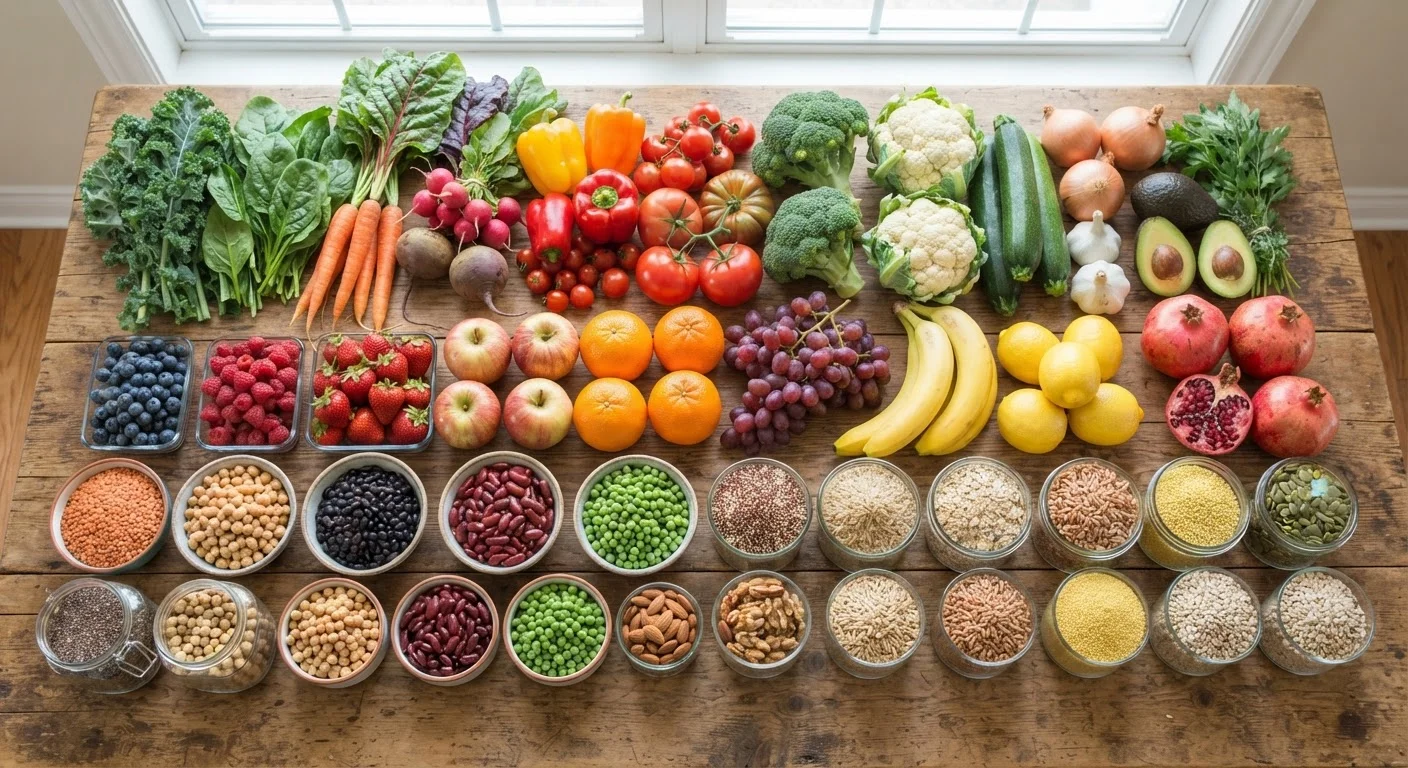
Photo: YetaWellness.com | Explore Trending Blogs editorial
Key Takeaways
- Micronutrients are vitamins and minerals your body needs in small amounts but cannot make on its own.
- Vitamins are organic compounds; minerals are inorganic elements — both are essential.
- A varied diet rich in whole foods covers most people's micronutrient needs without supplementation.
- Certain life stages and health conditions can increase the risk of specific deficiencies.
- Food labels show Percent Daily Values to help you gauge how much a serving contributes.
What Are Micronutrients?
The word micronutrient simply means a nutrient your body needs in small (micro) quantities. Unlike carbohydrates, proteins, and fats — the macronutrients your body uses for energy — micronutrients don't fuel you directly. Instead, they act as essential tools behind the scenes: enabling chemical reactions, building structures, and keeping systems running properly.
There are two main categories: vitamins and minerals. Together, they include more than 30 compounds that your body either cannot make at all, or cannot make in sufficient quantities. That means you must obtain them regularly through food — or, in specific circumstances, through supplementation.
Micronutrient
A vitamin or mineral your body needs in small amounts to function properly. Unlike macronutrients, micronutrients do not provide calories.
Fat-soluble vitamin
Vitamins A, D, E, and K, which dissolve in fat and are stored in the body. Because they accumulate, very high intakes can be harmful.
Water-soluble vitamin
Vitamin C and the B vitamins, which dissolve in water and are not significantly stored. Regular intake through food is important.
Trace mineral
A mineral the body needs in very small amounts, such as iron, zinc, selenium, or iodine. Small doesn't mean unimportant — deficiencies can have serious effects.
Percent Daily Value (%DV)
A number on a nutrition label showing what percentage of the recommended daily intake one serving provides, based on a standard 2,000-calorie diet.
Deficiency
A condition that occurs when the body does not get enough of a particular nutrient over time, leading to impaired function or health problems.
Vitamins vs. Minerals: What's the Difference?
While vitamins and minerals are often mentioned together, they are chemically very different.
Vitamins are organic compounds — meaning they contain carbon and are made by plants or animals. There are 13 essential vitamins, divided into two groups:
- Fat-soluble vitamins (A, D, E, and K): Stored in body fat and the liver. Because they accumulate, excess intake — especially from high-dose supplements — can become harmful over time.
- Water-soluble vitamins (C and the eight B vitamins): Not stored in large amounts, so you need consistent intake. Excess is generally excreted in urine, though very high doses of some can still cause problems.
Minerals are inorganic elements found in soil and water that plants absorb and animals concentrate. Key examples include calcium, iron, magnesium, potassium, zinc, and iodine. Some are needed in relatively larger amounts (called macrominerals); others are needed only in trace quantities (trace minerals).
For a concise look at each vitamin and mineral individually, see our Micronutrient Reference Guide.
Why Micronutrients Matter for Everyday Health
Micronutrients are involved in almost every biological process you can name. A few examples illustrate just how broad their influence is:
- Immune function: Vitamins C, D, and zinc help maintain your body's defenses against infection.
- Bone strength: Calcium and vitamin D work together to build and maintain bone density throughout life.
- Energy metabolism: B vitamins help convert the food you eat into usable energy.
- Red blood cell production: Iron and folate are both required to produce healthy red blood cells.
- Vision: Vitamin A is essential for maintaining normal vision, particularly in low light.
When intake falls short of what the body needs over time, a deficiency can develop — ranging from subtle symptoms like fatigue or poor concentration to more serious health consequences. Deficiencies are diagnosed through blood tests, not self-assessment, so always consult a qualified healthcare provider if you have concerns.
Getting Micronutrients From Food First
Nutrition scientists consistently find that whole foods deliver micronutrients in a form the body uses well. Foods contain not just isolated nutrients but also fiber, antioxidants, and other compounds that may work together to support health — a synergy that supplements cannot fully replicate.
A practical food-first approach doesn't require counting every milligram. Instead, focus on variety and color across food groups:
- Vegetables and fruits: Dark leafy greens (spinach, kale), orange and red produce (carrots, bell peppers, sweet potatoes), and citrus fruits collectively cover a wide range of vitamins and minerals.
- Whole grains: Brown rice, oats, and whole-wheat products provide B vitamins, magnesium, and iron.
- Protein foods: Eggs, legumes, lean meats, and seafood supply iron, zinc, and B12, among others.
- Dairy and fortified alternatives: Reliable sources of calcium and often vitamin D.
- Nuts and seeds: Concentrated sources of vitamin E, magnesium, and selenium.
Aim for Color Variety at Each Meal
Learning to read a nutrition label can help you see how different foods contribute. Our guide on reading a nutrition label for vitamins and minerals explains Percent Daily Values clearly. And if you want a sustainable strategy, our article on building a micronutrient-rich eating pattern walks you through practical, non-obsessive steps.
When You Might Need Extra Attention
Most healthy adults eating varied diets meet their needs through food. However, certain situations raise the risk of falling short:
- Pregnancy and breastfeeding: Needs for folate, iron, iodine, and choline increase significantly. Prenatal care should always involve guidance from a healthcare provider.
- Older adults: Absorption of vitamin B12, calcium, and vitamin D often decreases with age.
- Restrictive eating patterns: Vegan and vegetarian diets require deliberate attention to B12, iron, zinc, calcium, and iodine from plant or fortified sources.
- Certain health conditions: Conditions affecting digestion or absorption — such as celiac disease or Crohn's disease — can impair micronutrient uptake even from a good diet.
If any of these situations apply to you, a registered dietitian or physician can assess your specific needs and determine whether targeted supplementation makes sense. Our comparison of food vs. supplements covers that question in honest detail.
This article is for general informational purposes only and is not a substitute for personalized medical or dietary advice. Consult a qualified healthcare professional before making changes to your diet or starting any supplement.
Frequently Asked Questions
The content on this site is for informational purposes only and is not a substitute for professional advice. Always consult a qualified professional for guidance specific to your situation.