
Vitamins & Minerals

Building a Micronutrient-Rich Eating Pattern Without Counting Every Milligram

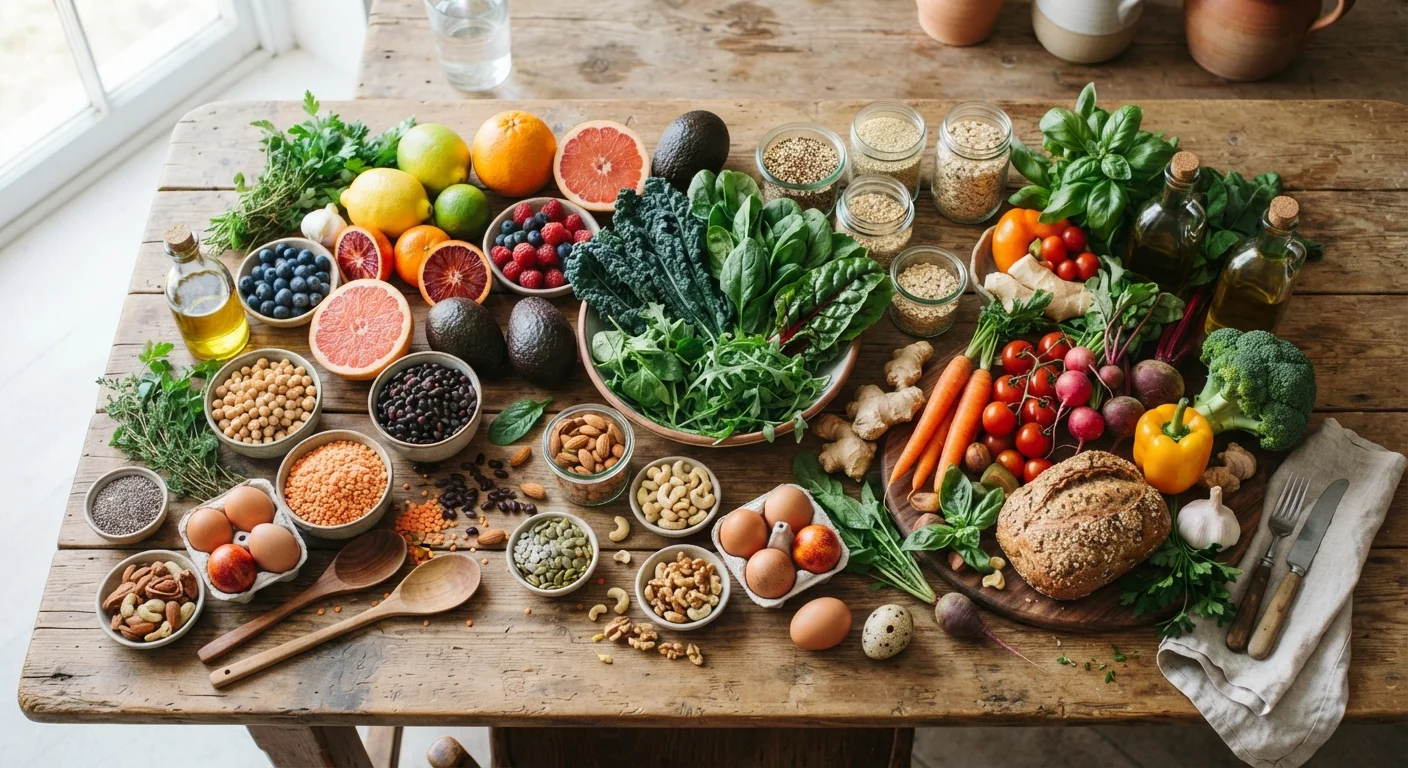
Building a Micronutrient-Rich Eating Pattern Without Counting Every Milligram

Photo: YetaWellness.com | Explore Trending Blogs editorial

You don't need to track every nutrient obsessively. These food-first strategies help you cover micronutrient needs naturally and sustainably.

Key Takeaways

  • Eating a wide variety of whole foods is the most reliable way to cover micronutrient needs.
  • Color diversity on your plate is a practical shortcut for hitting different vitamins and minerals.
  • Certain preparation and pairing habits significantly improve how well your body absorbs nutrients.
  • You don't need to count milligrams — pattern-based eating strategies do the heavy lifting.
  • Specific groups, such as pregnant individuals or older adults, may need personalized guidance from a professional.

Why Micronutrients Matter Without the Math

Micronutrients — the vitamins and minerals your body needs in relatively small amounts — are essential for everything from immune defense to bone strength to energy metabolism. Yet most Americans don't think about them until a blood test flags a deficiency. If you're new to this topic, our plain-language primer on micronutrients explains the basics clearly.

The good news: you don't need a spreadsheet or a nutrition app to eat in a way that naturally supports micronutrient coverage. Research consistently shows that whole-food dietary patterns — think Mediterranean or traditional plant-forward eating styles — tend to meet micronutrient targets without deliberate tracking. The key is building reliable habits, not measuring every bite.

1

Eat the rainbow — prioritize color variety across your meals each day.

Different pigments in fruits and vegetables signal different phytonutrients and micronutrient profiles. Orange and yellow foods (like sweet potatoes and carrots) are rich in beta-carotene; dark leafy greens supply folate, iron, and vitamin K; red and purple foods offer anthocyanins and vitamin C. Rotating colors ensures you capture a broad micronutrient spectrum without tracking individual nutrients.
Example: At dinner, swap your usual side salad of iceberg lettuce for a mix of spinach, shredded red cabbage, and sliced orange bell pepper — three colors, three distinct nutrient profiles in one bowl.
2

Anchor every meal with at least one whole, minimally processed food.

Heavily processed foods often have micronutrients stripped out during manufacturing. Building meals around whole foods — beans, eggs, whole grains, fresh or frozen produce — preserves the natural vitamin and mineral content. This single habit does more for micronutrient coverage than any supplement protocol.
Example: Replace a refined-grain breakfast cereal with oatmeal topped with a handful of mixed berries and a tablespoon of ground flaxseed — a swap that adds magnesium, zinc, and B vitamins.
3

Pair nutrients strategically to improve absorption.

Some micronutrients are better absorbed in the presence of others. Vitamin C enhances non-heme iron absorption from plant sources; fat-soluble vitamins (A, D, E, K) need dietary fat to be absorbed effectively. Deliberately combining certain foods can meaningfully increase the nutrition you actually extract from a meal.
Example: Drizzle olive oil on a kale salad — the fat helps your body absorb fat-soluble vitamins A and K from the greens more efficiently than eating them dry.
4

Include legumes at least three times per week.

Beans, lentils, and chickpeas are among the most micronutrient-dense foods available at low cost. They supply iron, magnesium, zinc, folate, and potassium simultaneously. Unlike single-nutrient supplements, legumes deliver these nutrients alongside fiber and plant protein, which support overall metabolic health.
Example: Add a half-cup of canned black beans to a weeknight grain bowl or stir white beans into a tomato soup — both are quick ways to reliably boost mineral intake.
5

Use frozen and canned whole foods without guilt.

Frozen vegetables and fruits are typically flash-frozen at peak ripeness, preserving most of their micronutrient content. Canned tomatoes, beans, and fish (such as sardines and salmon) are similarly nutrient-dense and affordable. Accessibility barriers to fresh produce shouldn't become barriers to micronutrient coverage.
Example: A bag of frozen edamame steamed in five minutes delivers protein, folate, and vitamin K — comparable to fresh — at a fraction of the cost.

Food-First Practices That Actually Work

The practices below are grounded in current dietary guidance and nutritional science. They work because they shift your focus from individual nutrients to overall eating patterns — a much more sustainable and effective approach for everyday life. For a complementary take on structuring your plate overall, see the practical logic behind portion proportions.

high Add one extra vegetable to your next meal — frozen, fresh, or canned all count equally.
medium Swap refined white rice for brown rice or quinoa this week to immediately increase your magnesium and zinc intake.
high Squeeze lemon juice over spinach or lentils at your next meal to boost iron absorption through its vitamin C content.
medium Stock your pantry with two types of canned legumes — chickpeas and black beans are versatile starting points.
medium Replace one processed snack today with a handful of mixed nuts and dried fruit for a quick boost of minerals and fat-soluble vitamins.

Common Gaps and How Patterns Address Them

Even well-intentioned eaters can fall short on specific micronutrients. Iron, calcium, vitamin D, magnesium, and potassium are among the most frequently under-consumed in American diets, according to federal dietary surveys. Assumptions about healthy eating that can still leave gaps goes deeper on why this happens.

Pattern-based eating addresses gaps systematically rather than reactively. When your meals reliably include a variety of vegetables, legumes, whole grains, and lean proteins, you're casting a wide nutritional net without needing to calculate each catch. Small preparation tweaks — like pairing iron-rich plant foods with vitamin C sources — also make a real difference in absorption. Getting more nutrients from foods you already eat walks through these pairing strategies in detail.

Special Populations Need Individualized Guidance

Pregnant individuals, older adults, young children, and people managing chronic health conditions often have micronutrient needs that differ significantly from general population guidelines. For example, folate needs rise substantially during pregnancy, and vitamin B12 absorption can decline with age. If you fall into any of these categories, please consult a registered dietitian or your healthcare provider rather than relying solely on general dietary patterns.

This article is for general informational purposes only and is not a substitute for personalized medical or dietary advice. Consult a qualified healthcare professional or registered dietitian for guidance specific to your health needs.

Nutrition Basics Editorial Team

YetaWellness.com | Explore Trending Blogs

Nutrition Basics Editorial Team is the collective byline for our editorial team and contributor network. Articles published under this byline or an editorial pen name are researched, written, and reviewed according to our editorial standards for clarity, consistency, and independence before publication.

MacronutrientsVitamins & MineralsHealthy Eating Habits
View author profile

The content on this site is for informational purposes only and is not a substitute for professional advice. Always consult a qualified professional for guidance specific to your situation.