
Micronutrient Reference Guide: Vitamins A Through K and Key Minerals

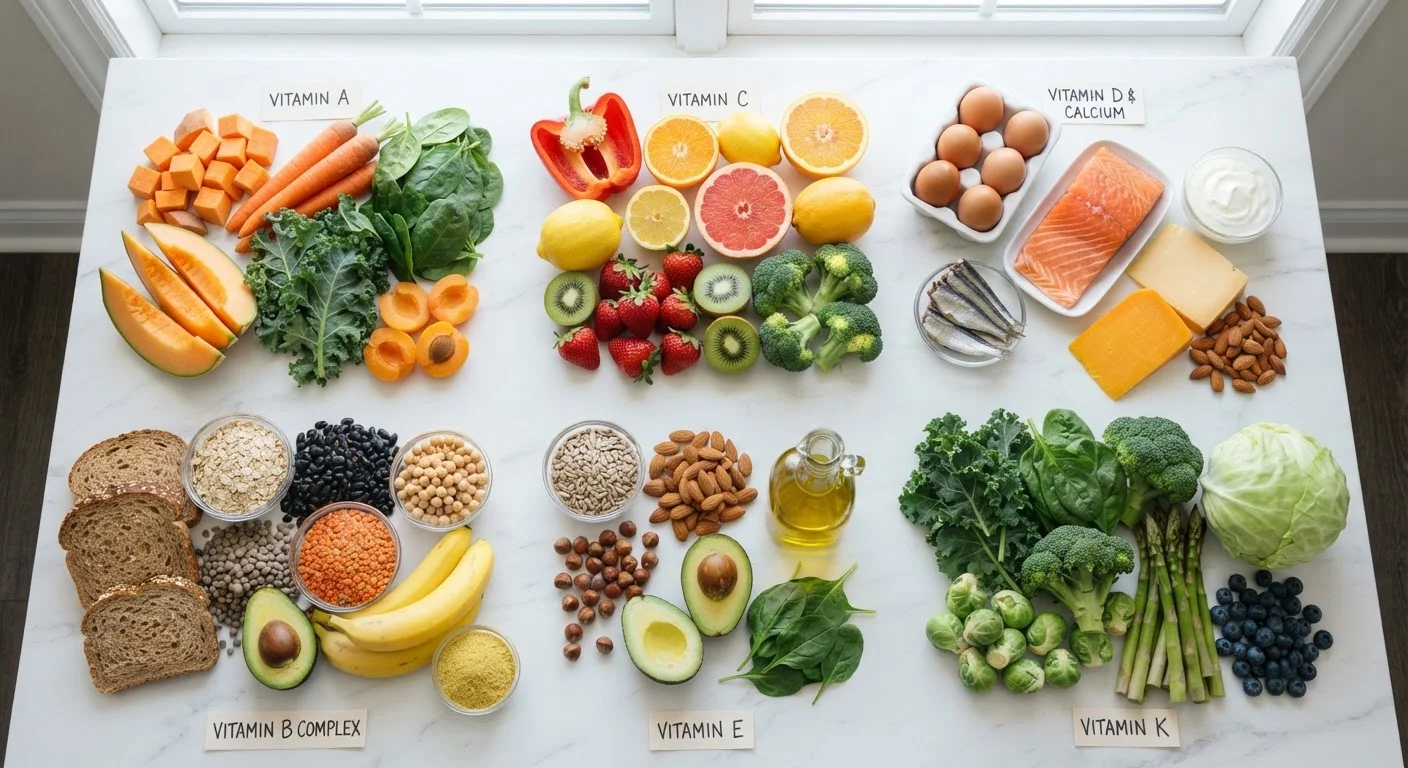
Photo: YetaWellness.com | Explore Trending Blogs editorial
What This Guide Covers and How to Use It
Vitamins and minerals — collectively called micronutrients — are compounds your body needs in small but precise amounts to function. Unlike macronutrients (carbohydrates, protein, and fat), they provide no calories, yet they drive nearly every biological process, from vision and immunity to bone strength and nerve signaling. For a deeper look at how these nutrients work inside the body, see Vitamins and Minerals: What Your Body Actually Does With Them.
This reference guide is organized into two sections: fat-soluble vitamins, water-soluble vitamins, and then key minerals. Each entry lists the nutrient's primary role and the best everyday food sources. Use it as a quick lookup when you want a straightforward, jargon-free answer.
This article is for general educational purposes and is not a substitute for personalized medical or dietary advice. Consult a registered dietitian or healthcare provider for guidance specific to your health needs.
| Total essential vitamins | 13 (Dietary Reference Intakes, National Academies of Sciences) |
| Essential minerals recognized | 16+ (National Institutes of Health, Office of Dietary Supplements) |
| Fat-soluble vitamins | A, D, E, K |
| Water-soluble vitamins | C and all 8 B vitamins |
| Most common deficiency in the U.S. | Vitamin D and Iron (CDC Second National Report on Biochemical Indicators of Diet and Nutrition) |
| Best overall strategy | Eat a varied, whole-food diet (2020–2025 Dietary Guidelines for Americans) |
Vitamins A Through K: Roles and Food Sources
Vitamin A supports vision (especially in low light), immune function, and skin cell turnover. Find it as retinol in liver, eggs, and dairy, or as beta-carotene (which the body converts to vitamin A) in sweet potatoes, carrots, and dark leafy greens.
B Vitamins are a family of eight water-soluble nutrients that collectively support energy metabolism, red blood cell production, and nervous system health. Key sources vary by type:
- B1 (Thiamine): Whole grains, pork, legumes
- B2 (Riboflavin): Milk, eggs, almonds, fortified cereals
- B3 (Niacin): Chicken, tuna, peanuts, brown rice
- B5 (Pantothenic acid): Avocado, sunflower seeds, chicken, potatoes
- B6: Chickpeas, salmon, bananas, potatoes
- B7 (Biotin): Eggs, walnuts, sweet potatoes
- B9 (Folate): Lentils, spinach, asparagus, fortified bread
- B12: Beef, clams, salmon, dairy, fortified plant milks
Vitamin C is a powerful antioxidant that aids collagen synthesis, wound healing, and iron absorption. Top sources: bell peppers, kiwi, strawberries, broccoli, and citrus fruits.
Vitamin D regulates calcium and phosphorus absorption, supporting bone strength and immune function. The body produces it when skin is exposed to sunlight; dietary sources include fatty fish, egg yolks, and fortified foods.
Vitamin E protects cells from oxidative damage. Find it in sunflower seeds, almonds, wheat germ oil, and peanut butter.
Vitamin K exists in two main forms: K1 (phylloquinone), essential for blood clotting, is abundant in leafy greens like kale and spinach. K2 (menaquinone) supports bone metabolism and is found in fermented foods and some animal products.
Micronutrient
Vitamins and minerals required by the body in small amounts to support essential biological functions. They do not provide calories but are critical for health.
Fat-Soluble Vitamin
Vitamins (A, D, E, and K) that dissolve in fat and are stored in body tissues. Because they accumulate, excessive supplementation can reach harmful levels.
Water-Soluble Vitamin
Vitamins (C and all B vitamins) that dissolve in water and are not stored in large amounts. Excess is generally excreted in urine, so regular dietary intake is important.
Heme Iron
A form of iron found in animal foods such as red meat, poultry, and seafood. It is absorbed more efficiently by the body than non-heme iron from plant sources.
Beta-Carotene
A plant pigment the body converts into vitamin A as needed. It is found in orange and yellow vegetables and leafy greens and is considered a safe dietary source of vitamin A.
Antioxidant
A compound that helps neutralize unstable molecules called free radicals, reducing oxidative stress. Vitamins C and E are among the best-known dietary antioxidants.
Key Minerals: Calcium, Iron, Magnesium, Potassium, and Zinc
Calcium is the most abundant mineral in the body and is critical for bone and tooth strength, muscle contraction, and nerve transmission. Best sources: dairy products, fortified plant milks, canned salmon with bones, tofu made with calcium sulfate, and bok choy.
Iron carries oxygen through the blood as part of hemoglobin. Heme iron (from red meat, poultry, and seafood) is absorbed more readily; non-heme iron (from lentils, spinach, fortified cereals) is absorbed more efficiently when paired with vitamin C. For more on how these nutrient pairings work in practice, see Nutrients That Work Better Together.
Magnesium participates in more than 300 enzyme reactions, including protein synthesis, blood glucose regulation, and muscle relaxation. Good sources: pumpkin seeds, black beans, whole grains, dark chocolate, and leafy greens.
Potassium helps maintain fluid balance, supports healthy blood pressure, and is essential for muscle and heart function. Find it in bananas, white potatoes, white beans, tomatoes, and dairy.
Zinc supports immune response, wound healing, and taste and smell perception. Oysters are the richest source; other good options include beef, pumpkin seeds, chickpeas, and cashews.
When reviewing packaged foods, the nutrition label is a useful tool for tracking your intake of these nutrients. Our guide on reading a nutrition label for vitamins and minerals explains how to interpret Percent Daily Values without confusion. If you're new to thinking about micronutrients overall, Micronutrients for Beginners is a solid starting point.
The content on this site is for informational purposes only and is not a substitute for professional advice. Always consult a qualified professional for guidance specific to your situation.