
How Cooking Methods Change the Vitamins in Your Vegetables

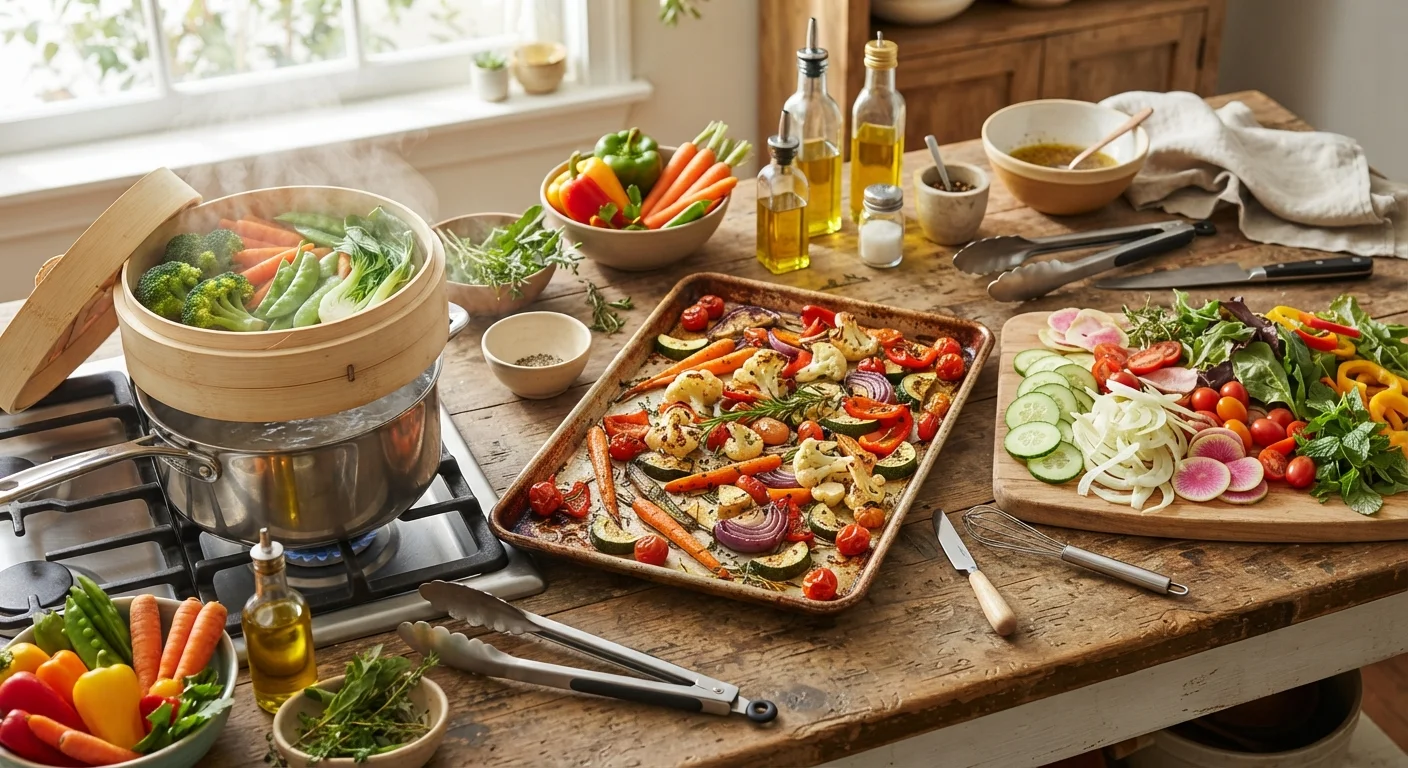
Photo: YetaWellness.com | Explore Trending Blogs editorial
Key Takeaways
- Water-soluble vitamins like C and B vitamins leach into cooking water and are most vulnerable to heat and boiling.
- Steaming and microwaving tend to preserve more nutrients than boiling because vegetables have less contact with water.
- Fat-soluble vitamins such as A, D, E, and K are generally more stable during cooking and may even become more bioavailable.
- No single cooking method is universally best — variety in preparation methods helps cover nutritional bases.
- Eating vegetables in any form — cooked or raw — is far more important than optimizing the cooking technique.
Why Cooking Affects Vitamins Differently
Not all vitamins respond to heat and water the same way. Understanding two basic categories helps explain what happens in the pan.
Water-soluble vitamins — including vitamin C and the B vitamins (such as folate, thiamine, and B6) — dissolve readily in water and are sensitive to heat, light, and oxygen. When vegetables are submerged in boiling water, these vitamins leach out into the liquid. If that water is drained and discarded, a significant portion of those nutrients goes with it.
Fat-soluble vitamins — A, D, E, and K — are more heat-stable and do not leach into cooking water. In fact, cooking can break down plant cell walls and make some of these vitamins easier for your body to absorb. Adding a small amount of fat (like olive oil) during cooking further improves their bioavailability, meaning the body can actually use more of what's in the food.
Two other factors matter as well: cooking time (longer exposure to heat degrades more nutrients) and surface area (smaller cuts expose more of the vegetable to heat and water, increasing loss).
Comparing Common Cooking Methods
Here's how the most widely used cooking methods stack up when it comes to vitamin retention:
| Boiling | Steaming | Microwaving | Roasting | Sautéing | |
|---|---|---|---|---|---|
| Vitamin C retention | Low (up to 50% loss) | High | High | Moderate | Moderate |
| B vitamin retention | Low (leaches into water) | Moderate–High | High | Moderate | Moderate |
| Fat-soluble vitamin retention | High (stable in heat) | High | High | High, improved with oil | High, improved with oil |
| Requires added fat | No | No | No | Optional but helpful | Small amount needed |
| Cooking time | Moderate to long | Short to moderate | Very short | Moderate to long | Short |
| Best suited for | Root vegetables, legumes | Broccoli, green beans | Most vegetables | Root veg, squash, tomatoes | Leafy greens, peppers |
A few practical takeaways from this comparison: boiling is the most nutrient-damaging method when the cooking liquid is discarded. If you do boil vegetables, consider using the water in soups, stews, or sauces to recover some of the lost vitamins. Microwaving, often underestimated, is actually one of the gentler methods because cooking times are short and little or no water is needed.
For a deeper look at how preparation choices affect what your body actually absorbs, see getting more nutrients from the foods you already eat.
Practical Tips for Preserving More Vitamins
You don't need to overhaul your cooking routine — small adjustments can make a meaningful difference in what ends up on your plate.
- Cut vegetables larger. Bigger pieces have less surface area exposed to water and heat, reducing leaching.
- Keep cooking times short. Cook until just tender rather than soft; overcooking accelerates vitamin degradation.
- Use minimal water. Steam, microwave, or stir-fry instead of boiling when possible.
- Save the cooking liquid. Vitamin-rich water from boiled or blanched vegetables works well as a base for soups and sauces.
- Add fat to roasted or sautéed vegetables. A drizzle of oil helps your body absorb fat-soluble vitamins like A, E, and K more efficiently.
- Mix raw and cooked. Eating some vegetables raw — in salads or as snacks — captures nutrients that would otherwise be degraded by heat.
This article is for informational purposes only and does not constitute medical or dietary advice. Consult a registered dietitian or qualified healthcare professional for personalized nutrition guidance.
The content on this site is for informational purposes only and is not a substitute for professional advice. Always consult a qualified professional for guidance specific to your situation.