
How Your Immune System Learns from Vaccines

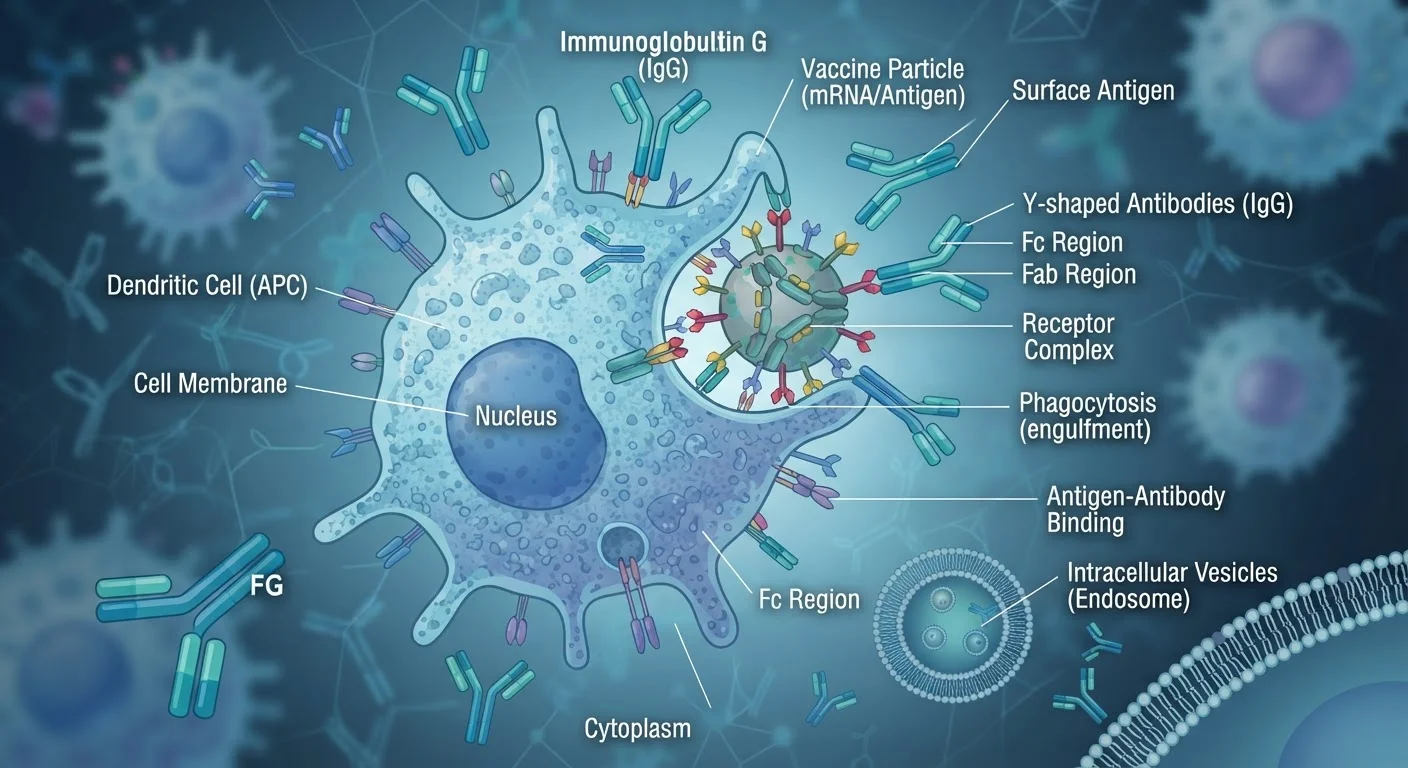
Photo: YetaWellness.com | Explore Trending Blogs editorial
Key Takeaways
- Vaccines train your immune system without exposing you to a dangerous live infection.
- Your body produces antibodies and memory cells after vaccination that persist long-term.
- Different vaccine types — live-attenuated, inactivated, mRNA, subunit — use different methods to achieve the same goal.
- Some immunity naturally fades over time, which is why booster doses are sometimes needed.
- Vaccination protects not only you but also people around you who cannot be vaccinated.
The Immune System's Learning Process
Your immune system is essentially a biological memory network. When it encounters a foreign invader — a virus, bacterium, or other pathogen — it mounts a defense and, critically, remembers that invader afterward. The next time the same threat appears, the response is faster and stronger.
Vaccines exploit this natural learning process deliberately. By introducing a safe representation of a pathogen — rather than the real, dangerous version — a vaccine gives your immune system the information it needs to prepare a defense before you ever encounter the actual disease.
Two key players drive this memory: B cells, which produce antibodies (proteins that neutralize or tag pathogens for destruction), and T cells, which either directly destroy infected cells or help coordinate the broader immune response. After vaccination, some of these cells persist as memory cells — long-lived sentinels ready to act the moment they detect the same antigen again.
Side Effects Are a Sign the System Is Working
Types of Vaccines and How They Teach
There is no single vaccine formula. Scientists have developed several approaches, each sending a different kind of signal to your immune system:
- Live-attenuated vaccines use a weakened form of the live pathogen. Because the germ can still replicate slightly, these vaccines often produce strong, long-lasting immunity. Examples include the MMR (measles, mumps, rubella) vaccine.
- Inactivated vaccines contain killed pathogens. They cannot replicate in your body, so multiple doses are typically needed to build a sufficient response. The inactivated flu shot is one example.
- Subunit, recombinant, and conjugate vaccines deliver only specific pieces of a pathogen — usually a protein from its surface — rather than the whole organism. The hepatitis B and Tdap vaccines fall into this category.
- mRNA vaccines provide genetic instructions that your cells temporarily use to produce a pathogen protein. Your immune system learns from that protein, then the mRNA degrades. This approach does not alter your DNA.
Despite their differences, all of these technologies share the same fundamental goal: give the immune system a preview of a threat so it can build memory without the risk of real disease.
Why Timing, Boosters, and Age Matter
Immune learning is not a one-time event for every vaccine. Some shots provide protection that lasts decades; others wane more quickly and require booster doses to maintain adequate immunity. For a full explanation of why this happens, see why vaccine-induced immunity isn't always permanent.
Age also plays a meaningful role. Infants receive early doses because maternal antibody protection fades, and their developing immune systems need priming. Older adults may respond less robustly to certain vaccines because immune function changes over time — a process explored in our article on how the immune system changes with age. For a full picture of what's recommended at each life stage, see immunization across a lifetime.
Understanding these dynamics helps explain why public health agencies update vaccine schedules and recommend boosters for specific diseases — not because vaccines failed, but because immunity requires maintenance for some pathogens.
Beyond Individual Protection
Your vaccinated immune system doesn't just protect you. When enough people in a community are immune — whether from vaccination or prior infection — a pathogen struggles to find susceptible hosts and spread. This phenomenon, known as herd immunity (or community immunity), shields people who genuinely cannot receive certain vaccines, such as newborns or individuals with specific medical conditions. Learn more about how this works in our explainer on herd immunity and community protection.
If you have questions about which vaccines are right for you, talking to your doctor about vaccines offers practical guidance on how to have that conversation effectively.
This article is for general informational and educational purposes only and does not constitute medical advice. Always consult a qualified healthcare professional regarding your personal vaccination needs, health history, and any medical decisions.
Frequently Asked Questions
The content on this site is for informational purposes only and is not a substitute for professional advice. Always consult a qualified professional for guidance specific to your situation.