
Napping Done Right: Timing, Length, and Who Benefits Most

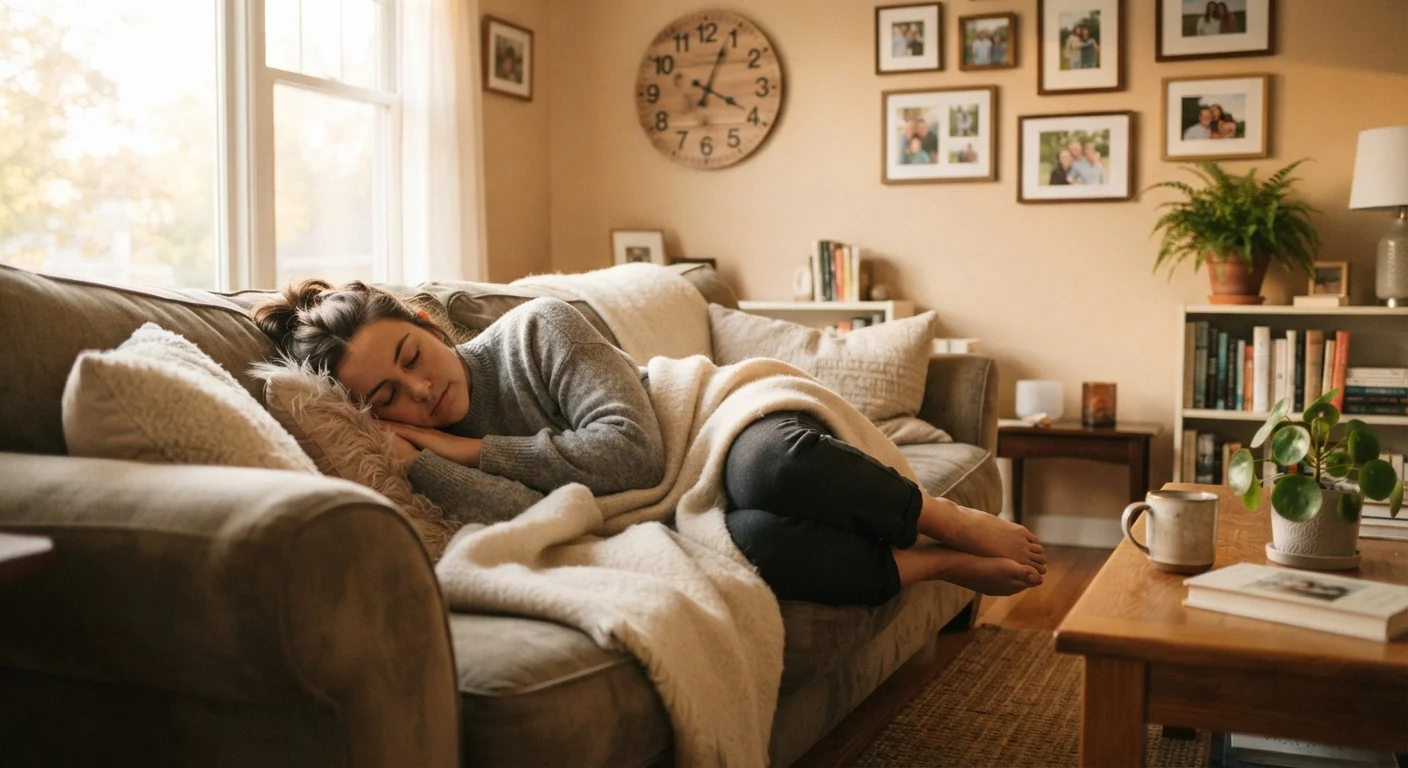
Photo: YetaWellness.com | Explore Trending Blogs editorial
Key Takeaways
- A 10–20 minute nap is generally optimal for alertness without causing post-nap grogginess.
- Napping after 3 p.m. significantly increases the risk of disrupting nighttime sleep.
- Shift workers, older adults, and sleep-deprived individuals tend to benefit most from strategic napping.
- Sleep inertia — the grogginess after waking mid-cycle — is the main risk of naps longer than 30 minutes.
- Napping does not fully replace lost nighttime sleep and should complement, not substitute for, consistent rest.
Why Nap Timing and Length Are Everything
A midday nap sounds straightforwardly restorative, but the science tells a more nuanced story. Whether a nap helps or hurts depends almost entirely on when you take it and how long it lasts. Get those two variables wrong, and you may trade an afternoon energy boost for a night of tossing and turning.
The core mechanism is your homeostatic sleep drive — the biological pressure to sleep that builds the longer you stay awake. Every hour of wakefulness adds to that pressure, and nighttime sleep releases it. A daytime nap draws down that pressure early, which can reduce your drive to sleep come bedtime. The later in the day you nap, and the longer you sleep, the more you risk interfering with your nighttime sleep timing and quality.
There is also the matter of sleep inertia — the disorienting grogginess that sets in when you wake during deeper sleep stages. Naps that extend beyond roughly 30 minutes are more likely to carry you into slow-wave sleep, making you feel worse immediately after waking than you did before lying down.
The 'Coffee Nap' — What Research Shows
Who Benefits Most from Strategic Napping
Research consistently shows that not everyone responds to naps the same way. Several groups tend to gain measurable cognitive and physical benefits:
- Shift workers and night-shift employees: A pre-shift nap of 20–30 minutes can meaningfully improve alertness and reduce error rates during overnight work hours, according to studies cited by the National Sleep Foundation.
- Older adults: Sleep architecture naturally changes with age, often producing lighter, more fragmented nighttime sleep. Short afternoon naps may help compensate for reduced sleep efficiency without substantially disrupting nighttime rest in this population.
- Acutely sleep-deprived individuals: If you've had one or two genuinely short nights — perhaps due to travel, illness, or a newborn — a brief nap can reduce cognitive impairment and improve mood. This is a short-term repair strategy, not a substitute for addressing chronic sleep loss.
- Athletes in heavy training: Performance research suggests that napping can support muscle recovery and reaction time in athletes with high training loads. This complements findings on how physical activity timing affects sleep quality.
If you sleep well at night and feel alert through the day, routine napping may offer little added benefit and could undermine your sleep consistency, which research increasingly links to long-term health outcomes.
How to Nap Effectively: A Step-by-Step Guide
Follow these evidence-aligned steps to get genuine restorative value from a daytime nap without paying for it at bedtime.
Choose the right nap window
Target the early-to-mid afternoon — ideally between 1 p.m. and 3 p.m. This window aligns with a natural post-lunch dip in alertness driven by circadian rhythms, meaning your body is already primed for brief rest. Napping earlier respects your homeostatic sleep pressure and leaves it largely intact for nighttime.
Set a timer for 10–20 minutes
Keep your nap within the 10–20 minute range for a power nap that boosts alertness and mood without entering slow-wave sleep. If you have a specific recovery need — such as significant prior sleep loss — extending to 30 minutes is reasonable, but set a firm alarm. Naps beyond 30 minutes dramatically raise the risk of sleep inertia and can encroach on your nighttime sleep drive. For more on how timing interacts with recovery, see our overview of when napping supports recovery and when it backfires.
Create a brief wind-down environment
Darkness and cool temperatures promote faster sleep onset even for short naps. Use an eye mask or lower blinds, and if possible, reduce ambient noise with earplugs or white noise. Even if you don't fully fall asleep, lying quietly in a dark, cool space provides some restorative rest. Avoid screens in the minutes before closing your eyes — bright light suppresses the relaxation signals your brain needs to drop off quickly. If your usual bedtime wind-down isn't effective, it's worth reviewing why your wind-down routine may not be working.
Give yourself 5–10 minutes to recover after waking
Even a short nap can leave you briefly foggy. Before returning to demanding tasks — particularly driving or complex decision-making — allow yourself a short transition period. Stand up, move gently, expose yourself to natural light, or drink a glass of water. This helps clear any residual sleep inertia and allows your alertness to rebound fully.
Monitor your nighttime sleep and adjust accordingly
Pay attention to whether napping affects how quickly you fall asleep at night or how rested you feel in the morning. If you notice increased difficulty falling asleep, more frequent waking, or reduced sleep quality, scale back your nap frequency or duration. Napping works best as a complement to — not a crutch for — consistent, adequate nighttime sleep. Track patterns over one to two weeks before drawing conclusions.
This article is for informational purposes only and is not a substitute for professional medical advice. If you experience persistent daytime sleepiness, difficulty sleeping at night, or suspect a sleep disorder, please consult a qualified healthcare provider.
The content on this site is for informational purposes only and is not a substitute for professional advice. Always consult a qualified professional for guidance specific to your situation.