
What 'Sleep Debt' Really Means — and Whether You Can Pay It Back

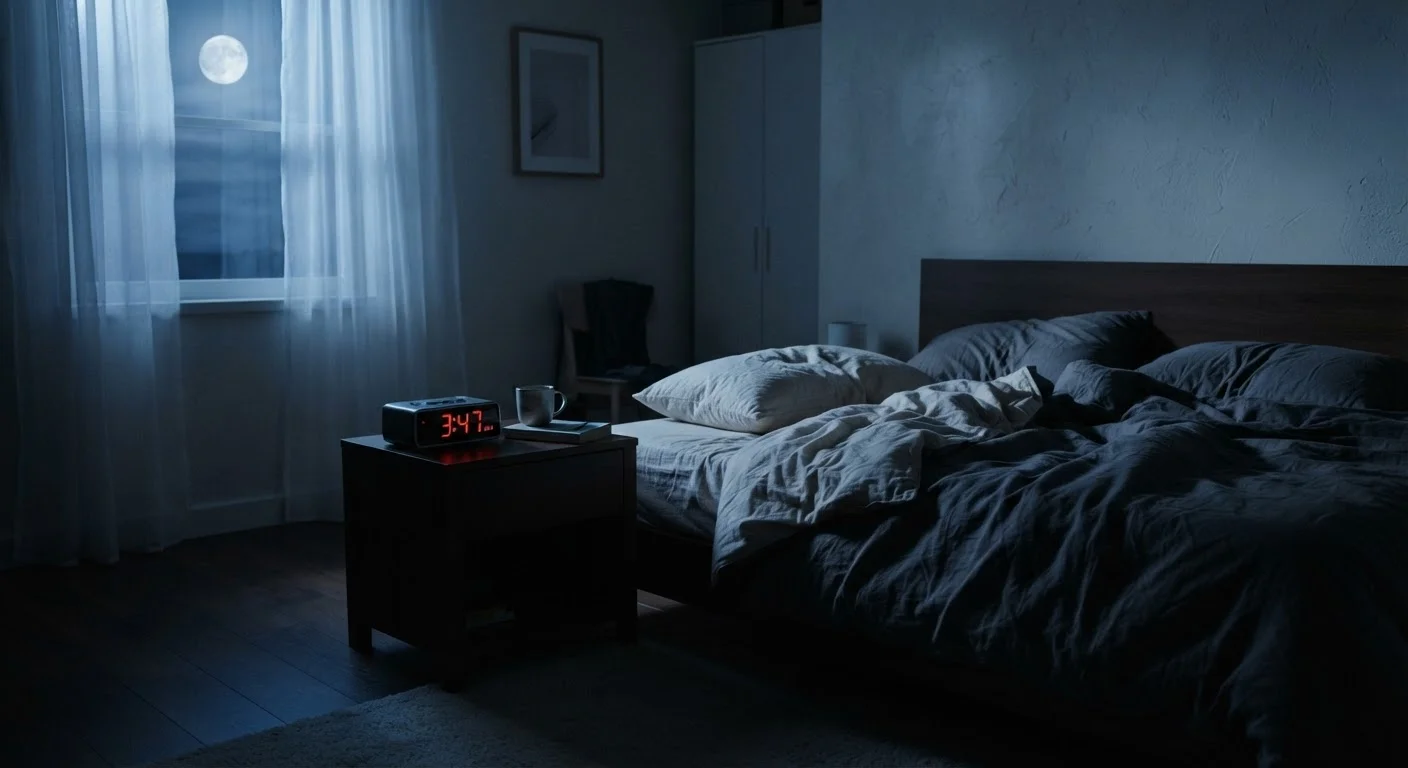
Photo: YetaWellness.com | Explore Trending Blogs editorial
Key Takeaways
- Sleep debt is the cumulative shortfall between the sleep you need and the sleep you get.
- Short-term sleep debt can be partially recovered, but chronic deficits have lasting biological consequences.
- Weekend 'catch-up' sleep helps subjective alertness but does not fully restore cognitive performance.
- Consistent nightly sleep is far more protective than irregular binge-sleep patterns.
- Persistent fatigue despite adequate sleep time may signal an underlying sleep disorder worth discussing with a doctor.
What Sleep Debt Actually Is
The term sleep debt refers to the cumulative gap between the amount of sleep your body requires and the amount you actually get. If you need eight hours but consistently sleep six, you accumulate two hours of debt per night — fourteen hours by the end of a week. Researchers began formalizing this concept in the late 1990s, and studies led by sleep scientist David Dinges and colleagues at the University of Pennsylvania demonstrated measurable, dose-dependent declines in cognitive performance as sleep debt accumulated.
Crucially, sleep debt is not simply about feeling tired. Reaction time, decision-making, emotional regulation, and immune function all degrade in proportion to accumulated deficit — and, as research published in Sleep has shown, people are often poor judges of their own impairment. You may feel "fine" while operating significantly below baseline. For a fuller picture of how sleep deprivation interacts with mood and focus, see our overview of sleep and mental health.
Myths and Facts About Sleep Debt
Several deeply held beliefs about sleep debt are either partially true or flatly incorrect. Understanding the nuances can help you make smarter choices about your nightly routine.
Myth
You can fully pay back sleep debt by sleeping in on the weekend.
Fact
Weekend recovery sleep reduces subjective sleepiness but does not fully restore cognitive performance or metabolic health markers impaired by a week of short sleep.
Studies from the University of Colorado Boulder found that participants who slept only five hours on weekdays and then recovered on weekends still showed disrupted insulin sensitivity and increased caloric intake compared to those who maintained consistent schedules. Subjectively, they felt more alert after extra weekend sleep — but objective measures of attention and reaction time lagged behind those of consistently well-rested participants. Additionally, the irregular schedule itself disrupts circadian rhythm, a phenomenon sometimes called social jetlag, which carries its own performance and health costs.
Myth
Losing one or two hours of sleep a night is no big deal — your body adapts.
Fact
The body does not adapt to chronic mild sleep restriction; it adapts only to feeling less sleepy, while performance deficits continue to accumulate unnoticed.
This is one of the most consequential misconceptions in sleep science. Research by Dinges and colleagues showed that after 14 days of six-hour sleep nights, participants' cognitive performance was as impaired as subjects who had been kept awake for 24 hours straight — yet they rated their own sleepiness as only moderate. The brain habituates to the sensation of sleepiness, masking the true extent of impairment. This creates a dangerous blind spot, particularly for tasks requiring sustained attention such as driving. Chronically short sleepers also show elevated inflammatory markers and altered glucose metabolism compared to adequate sleepers. Understanding whether short sleep or insomnia applies to you can clarify whether a clinical conversation is warranted.
Myth
Sleep debt only affects how tired you feel — it's not a real health risk.
Fact
Chronic sleep debt is associated with measurable increases in cardiovascular risk, immune dysfunction, hormonal disruption, and impaired metabolic function.
Large epidemiological studies, including data from the CDC, consistently link habitually sleeping fewer than seven hours per night with higher rates of obesity, type 2 diabetes, hypertension, and cardiovascular disease. The mechanisms are well-characterized: sleep deprivation elevates cortisol and inflammatory cytokines, suppresses leptin (the satiety hormone), and raises ghrelin (the hunger hormone). These are not transient inconveniences — they are systemic shifts that compound over time when sleep debt becomes a chronic condition rather than an occasional occurrence.
Myth
Some people are simply 'short sleepers' who function fine on five or six hours.
Fact
Genuine short sleepers — those who thrive on less than six hours due to a rare genetic variant — exist but represent a very small fraction of the population.
Researchers at the University of California San Francisco identified specific mutations in genes such as ADRB1 and DEC2 that allow a small subset of people to function optimally on significantly less sleep than average. However, population estimates suggest this trait affects well under 3% of adults. Most people who believe they are short sleepers have simply adapted to the subjective feeling of impairment — not to its objective presence. Self-identifying as a short sleeper without genetic confirmation or documented high performance across sustained cognitive testing is likely a rationalization rather than a biological reality.
If you suspect your fatigue stems from more than lifestyle habits, our plain-language guide to sleep disorders explains recognized conditions and what distinguishes them from ordinary short sleep.
What You Can Actually Do Tonight
Understanding sleep debt is only useful if it changes behavior. Here are evidence-grounded adjustments that research supports:
- Set a consistent wake time — even on weekends. A stable wake anchor regulates your circadian rhythm more effectively than variable schedules, making it easier to fall asleep at an appropriate hour.
- Prioritize extension over compression. If you are currently sleeping six hours, adding 30–45 minutes of genuine sleep opportunity each night is more restorative than attempting one long recovery night.
- Use brief naps strategically. A 10–20 minute nap in the early afternoon can reduce acute sleepiness without impairing nighttime sleep. Avoid naps after 3 p.m.
- Address sleep-disrupting habits at the margins. Caffeine consumed within six hours of bedtime, bright screen exposure in the final hour, and irregular meal timing all fragment sleep architecture and worsen debt accumulation.
1 in 3
U.S. adults sleeping less than recommended
According to CDC surveillance data, approximately one-third of American adults regularly sleep fewer than seven hours per night.
~3×
Increased accident risk after two weeks of short sleep
Research published in Sleep found that 14 nights of six-hour sleep produced cognitive impairment comparable to 24 hours of total sleep deprivation.
Sleep debt also interacts with appetite and metabolism — chronic deficit shifts hunger hormones in ways that increase cravings for calorie-dense food. Our article on sleep, stress, and weight explains the mechanisms in detail.
This article is for informational purposes only and is not a substitute for professional medical advice. If you are experiencing persistent sleep difficulties, consult a qualified healthcare provider.
The content on this site is for informational purposes only and is not a substitute for professional advice. Always consult a qualified professional for guidance specific to your situation.