
Sleep Disorders Explained: What They Are and Why They Matter

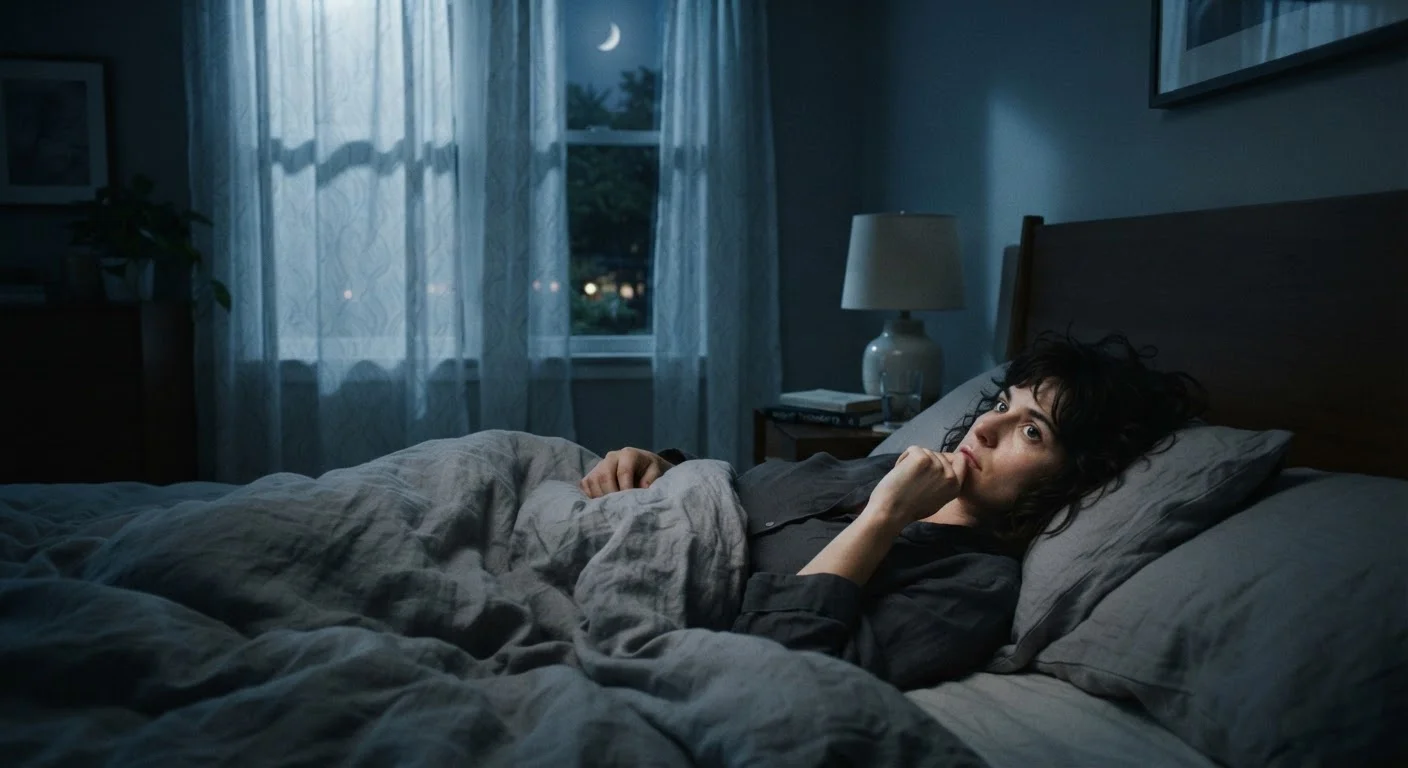
Photo: YetaWellness.com | Explore Trending Blogs editorial
Key Takeaways
- Sleep disorders are clinically recognized conditions that consistently disrupt sleep quality, timing, or duration.
- There are multiple distinct categories of sleep disorders, each with different underlying mechanisms.
- Untreated sleep disorders carry real risks for cardiovascular, metabolic, and mental health.
- Persistent sleep problems — not just occasional bad nights — are the signal worth paying attention to.
- A formal diagnosis requires evaluation by a healthcare provider, not self-assessment alone.
What Is a Sleep Disorder?
A sleep disorder is a clinically recognized condition in which sleep is persistently disrupted in ways that impair daytime functioning, physical health, or both. The key distinction from a rough night — or even a rough week — is persistence and impact. Occasional sleeplessness is a nearly universal human experience. Sleep disorders, by contrast, follow patterns that repeat over time and interfere with how a person feels, thinks, and functions when awake.
Sleep medicine uses classification systems, most notably the ICSD, to group disorders by shared characteristics, causes, and mechanisms. Understanding this framework helps clinicians make accurate diagnoses and choose appropriate treatments. For readers, it's a useful map of a complex landscape.
Sleep disorder
A clinically recognized condition in which sleep is persistently disrupted in ways that impair health or daily functioning, distinct from occasional sleeplessness.
Polysomnography
An overnight sleep study conducted in a clinical setting that records brain activity, breathing, oxygen levels, and body movements to help diagnose sleep disorders.
Circadian rhythm
The body's internal 24-hour biological clock that regulates when you feel sleepy or alert, influenced by light exposure and other environmental cues.
Obstructive sleep apnea
A disorder in which the throat muscles intermittently relax and block the airway during sleep, causing repeated breathing interruptions and fragmented sleep.
Hypersomnolence
Excessive daytime sleepiness that persists even when nighttime sleep appears adequate, often a hallmark feature of certain central nervous system sleep disorders.
Parasomnia
A category of sleep disorders involving abnormal behaviors, movements, or experiences during sleep — such as sleepwalking or acting out dreams.
To understand how disrupted sleep affects the body at a physiological level, see our overview of what happens during a night of disrupted sleep.
The Major Categories of Sleep Disorders
Sleep disorders are not a single condition — they span several distinct categories, each with different underlying mechanisms:
- Insomnia disorders involve difficulty falling asleep, staying asleep, or waking too early, despite adequate opportunity for sleep. Chronic insomnia is defined by symptoms occurring at least three nights per week for three or more months.
- Sleep-related breathing disorders include obstructive sleep apnea (OSA), in which the airway partially or fully collapses during sleep, repeatedly interrupting breathing. Central sleep apnea, where the brain fails to send proper signals to breathing muscles, is a less common variant.
- Central disorders of hypersomnolence cause excessive daytime sleepiness not explained by disrupted nighttime sleep. Narcolepsy — characterized by sudden, uncontrollable sleep attacks and, in some cases, cataplexy (sudden muscle weakness triggered by emotion) — is the most well-known example.
- Circadian rhythm sleep-wake disorders arise when a person's internal biological clock is misaligned with their environment. Jet lag is a familiar temporary example; delayed sleep-wake phase disorder is a chronic version common in adolescents and young adults.
- Parasomnias are disruptive behaviors or experiences during sleep — including sleepwalking, sleep talking, night terrors, and REM sleep behavior disorder. For a closer look at this category, see our article on parasomnias and what drives them.
- Sleep-related movement disorders such as restless legs syndrome (RLS) and periodic limb movement disorder cause uncomfortable sensations or repetitive limb movements that fragment sleep.
Why Sleep Disorders Matter Beyond Tiredness
The most visible consequence of a sleep disorder is feeling tired. But the downstream effects extend considerably further. Research consistently links untreated sleep disorders — particularly sleep apnea and chronic insomnia — to elevated risks of hypertension, type 2 diabetes, cardiovascular disease, and mood disorders including depression and anxiety.
Sleep is also when the brain consolidates memories, clears metabolic waste, and regulates hormones governing appetite, stress response, and immune function. When sleep is repeatedly disrupted, these processes are compromised. The underlying sleep science explains why even seemingly minor nightly disruptions can have measurable effects over time.
Beyond physical health, sleep disorders affect cognitive performance, reaction time, and emotional regulation — with implications for workplace safety, relationships, and quality of life. The burden is not trivial: the economic costs of sleep disorders in the United States — including lost productivity and healthcare utilization — have been estimated in the hundreds of billions of dollars annually.
Track Your Sleep Before Your Appointment
Recognizing Patterns Worth Paying Attention To
Not every bad night signals a disorder. The patterns that merit closer attention are those that are persistent, unexplained by obvious circumstance, and functionally limiting. Some examples worth noting:
- Struggling to fall or stay asleep most nights for more than a month
- Waking unrefreshed despite spending adequate time in bed
- Loud snoring, witnessed breathing pauses, or gasping during sleep reported by a bed partner
- Overwhelming urge to move the legs in the evening, particularly at rest
- Episodes of sleepwalking, acting out dreams physically, or other unusual nighttime behaviors
- Difficulty staying awake during the day even after a full night of sleep
These patterns don't confirm a diagnosis — they're signals worth discussing with a healthcare provider. For a structured overview of symptoms that warrant professional attention, see our sleep disorder red flags checklist. It's also worth noting that sleep disorders can evolve across life stages — our article on sleep disorders across the lifespan outlines how conditions shift from childhood through older adulthood.
When to Seek Professional Guidance
A sleep disorder diagnosis requires professional evaluation — it cannot be reliably self-assigned. Clinicians use a combination of clinical interviews, validated questionnaires, sleep diaries, and in some cases objective testing such as polysomnography (an overnight sleep study) or home sleep apnea tests. Understanding what that process looks like can reduce anxiety about seeking care. Our article on how sleep disorders are diagnosed walks through the typical steps.
The first point of contact is often a primary care physician, who can conduct an initial assessment and refer to a sleep medicine specialist when appropriate. If persistent sleep difficulties are affecting your daily life, raising the subject at your next appointment is a reasonable and worthwhile step. Improving sleep habits — covered in the Sleep Habits hub — can support overall sleep health, but should not replace clinical evaluation when a disorder is suspected.
This article is for general informational and educational purposes only and does not constitute medical advice. If you have concerns about your sleep health, please consult a qualified healthcare professional.
Frequently Asked Questions
The content on this site is for informational purposes only and is not a substitute for professional advice. Always consult a qualified professional for guidance specific to your situation.