
How Sleep Disorders Are Diagnosed: From Self-Reported Symptoms to Sleep Studies

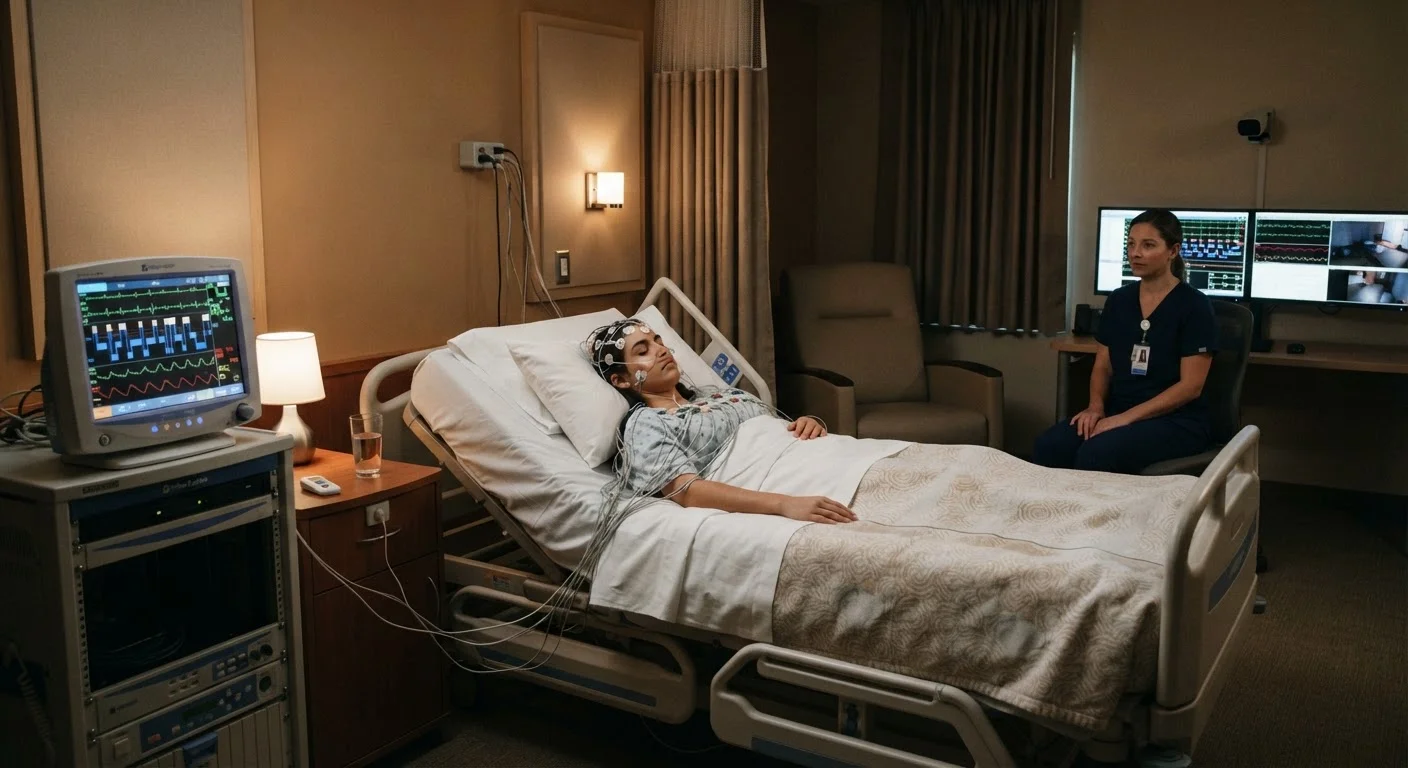
Photo: YetaWellness.com | Explore Trending Blogs editorial
Key Takeaways
- Diagnosis typically begins with a clinical interview and validated symptom questionnaires, not a sleep lab.
- Sleep diaries tracking two weeks of patterns provide essential objective context for clinicians.
- Polysomnography (overnight sleep study) records brain waves, breathing, and movement simultaneously.
- Home sleep apnea tests are a validated, lower-cost alternative for certain suspected conditions.
- A confirmed diagnosis requires a qualified clinician — self-assessment tools are starting points only.
Why the Diagnostic Path Matters
Sleep disorders are among the most underdiagnosed health conditions in the United States. According to the American Academy of Sleep Medicine, tens of millions of Americans live with conditions such as obstructive sleep apnea, insomnia disorder, or restless legs syndrome without ever receiving a formal evaluation. Understanding the diagnostic process can help you recognize when your symptoms warrant professional attention and what to expect if you seek care.
If you're uncertain whether your sleep patterns are cause for concern, our guide to sleep disorder red flags outlines specific patterns worth flagging with a clinician before you begin this process.
Diagnosis is rarely a single event. It unfolds in stages — from a structured clinical conversation through objective testing — and the path taken depends heavily on what symptoms are present and how long they have persisted.
What you will need
Tools and Resources You Will Need
Before your first appointment, gathering the right materials makes the evaluation more efficient and complete.
Sleep diary
Records bedtime, wake time, awakenings, and perceived sleep quality each day to reveal patterns over a two-week period.
Validated symptom questionnaire (e.g., Epworth Sleepiness Scale, STOP-BANG, ISI)
Standardized questionnaires that clinicians use to quantify daytime sleepiness, insomnia severity, or apnea risk before ordering tests.
Wrist actigraphy device
A wearable motion sensor worn for one to two weeks that objectively estimates sleep-wake cycles; sometimes requested by clinicians.
Home sleep apnea test (HSAT) device
A portable monitor measuring airflow, blood oxygen, and respiratory effort overnight; used when obstructive sleep apnea is the primary concern.
The Step-by-Step Diagnostic Process
Sleep disorder diagnosis follows a recognized clinical sequence. Each step builds on the last, and not every patient will need every stage. The steps below reflect standard practice as outlined by major sleep medicine bodies in the United States.
Complete a structured clinical interview
Your clinician will ask detailed questions about the nature, onset, and frequency of your symptoms; your sleep environment; work schedule; and daytime functioning. They will also review your medical history, mental health history, and current medications, as many drugs and conditions directly affect sleep. Be as specific as possible — noting, for example, whether symptoms occur every night or only on workdays can meaningfully guide the evaluation.
Fill out validated sleep questionnaires
Clinicians use standardized, validated tools to quantify your symptoms objectively. Common instruments include the Epworth Sleepiness Scale (measures daytime sleepiness), the Insomnia Severity Index (ISI) (gauges insomnia impact), and the STOP-BANG questionnaire (screens for obstructive sleep apnea risk). These tools help prioritize which tests, if any, are warranted next.
Keep a two-week sleep diary
Most sleep medicine guidelines recommend prospective sleep diary data collected over at least 14 consecutive days before an in-lab study is ordered. Record your estimated sleep and wake times, any awakenings, naps, caffeine and alcohol intake, and how rested you feel each morning. This creates an objective baseline that no retrospective self-report can fully replicate.
Undergo a home sleep apnea test if indicated
For patients whose symptoms strongly suggest obstructive sleep apnea without significant comorbidities, a home sleep apnea test (HSAT) is a validated alternative to in-lab testing. The device — typically worn for one or two nights — measures nasal airflow, respiratory effort, pulse oximetry, and body position. Results are interpreted by a board-certified sleep physician. HSATs are not appropriate for all suspected conditions; your clinician will determine suitability.
Attend an in-lab polysomnography study if referred
Polysomnography (PSG) is the gold-standard diagnostic tool for many sleep disorders. During an overnight stay at a sleep center, sensors monitor brain electrical activity (EEG), eye movements, muscle activity, heart rhythm, airflow, blood oxygen saturation, and leg movements simultaneously. A sleep technologist observes the recording in real time. PSG is typically indicated for suspected sleep apnea not suited to home testing, narcolepsy, parasomnias (such as REM sleep behavior disorder), and periodic limb movement disorder.
Review results and receive a formal diagnosis
A board-certified sleep medicine physician interprets all collected data — questionnaires, sleep diary, actigraphy if used, and PSG or HSAT results — in the context of your clinical history. Diagnosis follows established criteria from the International Classification of Sleep Disorders (ICSD-3). The physician then discusses findings with you, answers questions, and outlines treatment options or next steps. Ask for written documentation of your diagnosis and the reasoning behind it.
It is worth noting that delayed diagnosis is common with sleep conditions, often because symptoms are normalized or attributed to stress. Completing these steps promptly when concerns arise can meaningfully reduce that delay.
Special Considerations by Life Stage
The presentation of sleep disorders shifts considerably across the lifespan. Children with sleep-disordered breathing may show behavioral symptoms rather than daytime sleepiness, while older adults frequently experience altered sleep architecture that can mask or mimic other conditions. Clinicians adjust their evaluation tools accordingly — for instance, using pediatric-specific questionnaires for children or accounting for medication effects in older patients.
Our overview of sleep disorders across the lifespan explores how prevalence and presentation evolve from childhood through older adulthood. Parents evaluating a child, or adults managing care for an elderly relative, should seek clinicians with age-specific expertise and always consult a qualified healthcare professional before making decisions about testing or treatment for special populations.
This article is for general informational and educational purposes only and does not constitute medical advice, diagnosis, or treatment. Always consult a qualified healthcare professional for guidance specific to your health situation.
The content on this site is for informational purposes only and is not a substitute for professional advice. Always consult a qualified professional for guidance specific to your situation.