
Why Sleep Disorders Often Go Undiagnosed for Years

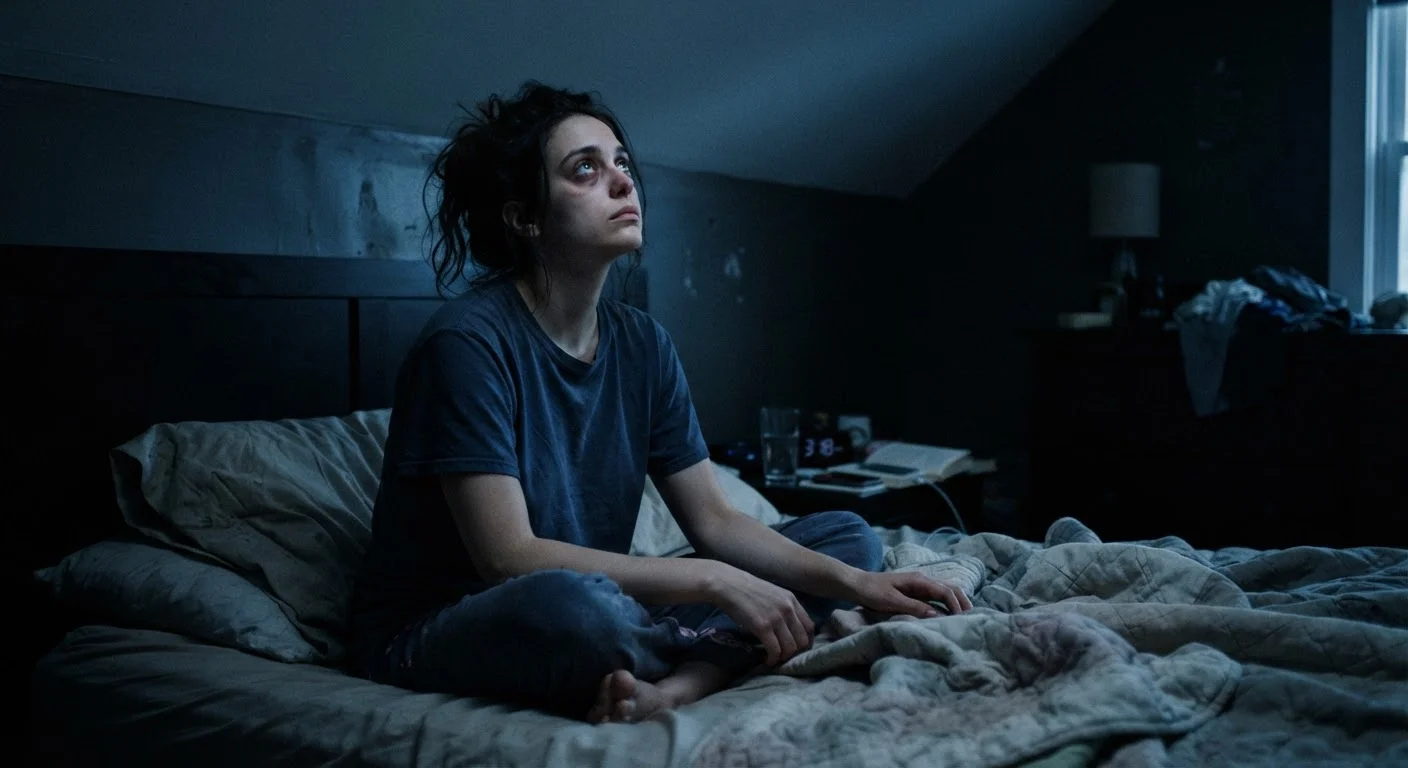
Photo: YetaWellness.com | Explore Trending Blogs editorial
Key Takeaways
- Many sleep disorders go undiagnosed for years due to symptom normalization and dismissal.
- Patients and clinicians alike often miss sleep disorder signs, delaying evaluation and treatment.
- Structural barriers like limited specialist access and inadequate screening extend diagnostic gaps.
- Recognizing patterns and advocating for a formal evaluation can significantly accelerate diagnosis.
The Diagnostic Gap in Sleep Medicine
Sleep disorders are among the most prevalent health conditions in the United States, yet they are also among the most frequently overlooked. Obstructive sleep apnea alone is estimated to affect tens of millions of Americans, with a large share remaining undiagnosed. Conditions like restless legs syndrome, narcolepsy, and chronic insomnia disorder follow a similar pattern — present and disruptive, but often unnamed for years or even decades.
The reasons for these diagnostic delays are rarely simple. They involve a layered set of mistakes made by patients, healthcare providers, and the systems connecting them. Understanding these missteps is the first step toward closing the gap. For a grounded overview of the conditions involved, see Sleep Disorders Explained.
Treating chronic fatigue and poor sleep as a normal part of life rather than a potential medical concern.
Describing symptoms vaguely or incompletely during medical appointments, making it difficult for clinicians to recognize a sleep disorder.
Assuming a sleep disorder only affects nighttime, and not connecting daytime symptoms like mood changes, memory problems, or poor concentration to disrupted sleep.
Accepting a first inconclusive evaluation as definitive evidence that no sleep disorder is present.
Relying on self-diagnosis or consumer sleep tracking data instead of pursuing formal clinical evaluation.
Why These Mistakes Persist — and What Changes Them
Most diagnostic delays are not the result of negligence but of predictable, systemic blind spots. Fatigue has become so culturally normalized in American life that abnormal sleepiness rarely triggers alarm. People often attribute daytime impairment to stress, aging, or lifestyle — and in many cases, clinicians accept those explanations without probing further.
~80%
Obstructive sleep apnea cases estimated undiagnosed
Research published in sleep medicine literature suggests the vast majority of people with moderate-to-severe obstructive sleep apnea in the US remain undiagnosed.
10+ years
Average delay before narcolepsy diagnosis
Studies on narcolepsy diagnosis trajectories consistently find patients wait an average of a decade or more between symptom onset and confirmed diagnosis.
Awareness is the most reliable entry point for change. Knowing which symptom patterns warrant professional attention — persistent loud snoring, irresistible daytime sleep episodes, uncomfortable sensations that worsen at rest — reframes what might seem like quirks into signals worth acting on. The Sleep Disorder Red Flags checklist offers a structured way to assess whether your experience merits a clinical conversation.
It's also worth recognizing that sleep disruption rarely stays confined to nighttime. Research consistently shows connections between poor sleep, stress physiology, and metabolic health — explored in depth in Sleep, Stress, and Weight. Once a sleep disorder is suspected, understanding what the evaluation process actually involves can reduce hesitation. How Sleep Disorders Are Diagnosed walks through the steps from initial symptom review to polysomnography.
This article is for informational purposes only and is not a substitute for professional medical advice, diagnosis, or treatment. If you are concerned about your sleep health, consult a qualified healthcare provider.
The content on this site is for informational purposes only and is not a substitute for professional advice. Always consult a qualified professional for guidance specific to your situation.