
Sleep Disorders

Sleep Disorder Red Flags: Signs Worth Bringing Up With a Doctor

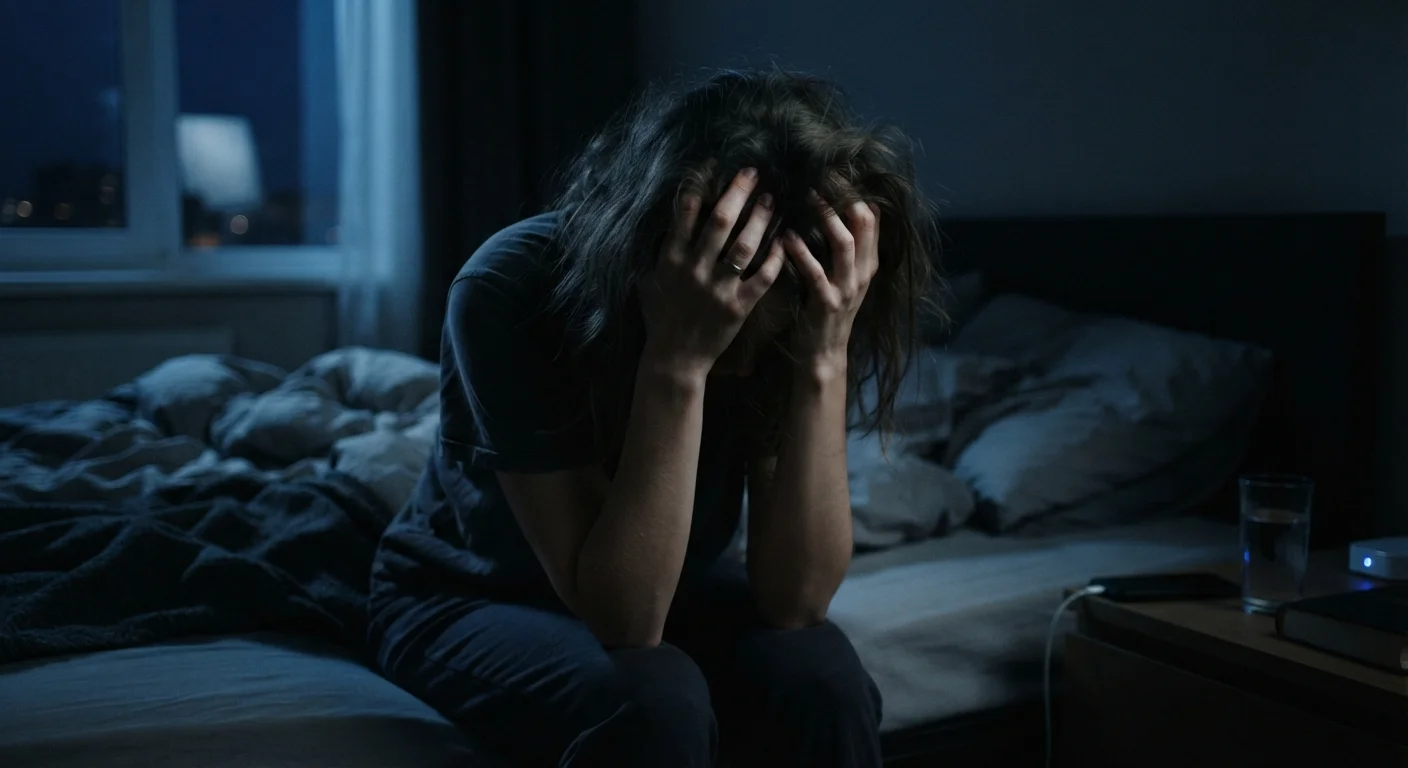
Sleep Disorder Red Flags: Signs Worth Bringing Up With a Doctor

Photo: YetaWellness.com | Explore Trending Blogs editorial

Not every bad night signals a disorder, but some patterns are worth flagging. This checklist helps you recognize symptoms that merit professional attention.

Key Takeaways

  • Occasional poor sleep is normal; persistent patterns lasting weeks are worth flagging to a doctor.
  • Loud snoring, witnessed breathing pauses, and excessive daytime sleepiness are among the most clinically significant warning signs.
  • Sleep disorders affect people of all ages and often go unrecognized for years without a formal evaluation.
  • This checklist is a preparation tool for a medical conversation — not a self-diagnosis instrument.
  • Many sleep disorders are treatable once properly identified by a qualified clinician.

How to Use This Checklist

Poor sleep touches nearly every American at some point. But there is an important clinical distinction between a rough patch tied to stress or schedule disruption and a pattern that signals an underlying sleep disorder. This checklist is designed to help you audit your own experience and arrive at a medical appointment better prepared — not to replace the professional evaluation you would need for any actual diagnosis.

Work through each group and note which items apply to you. If you check off several items in any single group, or if the pattern has persisted for four weeks or longer, that is a reasonable threshold for raising the topic with a primary care provider or sleep specialist. The reasons sleep disorders go undiagnosed for years are well-documented — symptom normalization and limited access to care both play a role. Using a structured checklist before your appointment helps you communicate more precisely and advocate for yourself more effectively.

This Checklist Is Not a Diagnosis

Checking off items on this list does not mean you have a sleep disorder. Many of these symptoms can have multiple explanations, including medication side effects, other medical conditions, or lifestyle factors. Only a qualified healthcare professional can evaluate your full picture and determine whether further workup is warranted. If any symptom feels urgent — such as severe breathing pauses or falling asleep at the wheel — seek care promptly rather than waiting.

This article is for general informational and educational purposes only and is not a substitute for professional medical advice, diagnosis, or treatment. Always consult a qualified healthcare provider with questions about your health or sleep.

The Red Flag Checklist

The checklist items below are organized by symptom category. Each reflects patterns associated with recognized sleep disorders according to established clinical criteria, including those outlined in the ICSD and the DSM-5. Prevalence and presentation can vary significantly with age — the lifespan perspective on sleep disorders is worth reviewing if you are evaluating symptoms in a child, teenager, or older adult.

Breathing During Sleep

Note whether a bed partner or roommate has observed you snoring loudly and regularly, not just occasionally. Must
Record any witnessed episodes where you stop breathing or gasp during sleep, even briefly. Must
Track whether you wake up with a dry mouth, sore throat, or headache most mornings. Should
Assess whether you experience choking or gasping sensations that rouse you from sleep. Must

Daytime Functioning and Alertness

Document how often you feel unrefreshed after a full night of sleep, occurring most days of the week. Must
Note whether you struggle to stay awake during passive activities such as reading, watching TV, or riding in a vehicle. Must
Record any episodes of sudden, irresistible sleep attacks during the day regardless of how much you slept the night before. Must
Assess whether daytime sleepiness is affecting your work performance, driving safety, or personal relationships. Must

Falling Asleep and Staying Asleep

Track whether it takes you more than 30 minutes to fall asleep on most nights over a period of at least one month. Must
Note whether you wake up multiple times per night and find it difficult to return to sleep. Should
Record whether you consistently wake up significantly earlier than intended and cannot fall back asleep. Should
Assess whether worry or racing thoughts about sleep itself are a primary driver of your wakefulness. Should

Movement and Sensations

Note whether you experience uncomfortable crawling, itching, or pulling sensations in your legs that worsen at rest and improve with movement. Must
Record whether these leg sensations are most intense in the evening or nighttime hours, disrupting your ability to fall asleep. Should
Track whether a bed partner has reported that you kick, thrash, or move your limbs repetitively during sleep. Should
Document any episodes where you appear to act out dreams — talking, yelling, or physically moving — while remaining asleep. Must

Sleep Timing and Circadian Patterns

Assess whether your natural sleep window is shifted dramatically from conventional hours — for example, unable to sleep until 3–4 a.m. despite wanting to sleep earlier. Should
Note whether your sleep schedule shifts significantly on free days compared to work or school days, indicating possible social jetlag or a circadian rhythm disorder. Nice to have
Record whether your sleep problems worsen significantly when traveling across time zones or working rotating or night shifts. Nice to have

Other Symptoms and Context

Note any episodes of sleep paralysis — temporary inability to move or speak when falling asleep or waking — particularly if they occur repeatedly. Should
Track whether you experience vivid, dream-like hallucinations at the transition between waking and sleep. Should
Document your current medications, supplements, and any substance use, as many can significantly affect sleep architecture and should be discussed with your provider. Must

Once you have completed the checklist, you may find it helpful to understand what comes next. The diagnostic process for sleep disorders typically begins with symptom questionnaires and sleep diaries before progressing to more formal studies like polysomnography. If your current routine might be contributing to poor sleep rather than a disorder, our pre-sleep checklist can help you rule out environmental and behavioral factors first.

Sleep Health Editorial Team

YetaWellness.com | Explore Trending Blogs

Sleep Health Editorial Team is the collective byline for our editorial team and contributor network. Articles published under this byline or an editorial pen name are researched, written, and reviewed according to our editorial standards for clarity, consistency, and independence before publication.

Sleep ScienceSleep HabitsSleep Disorders
View author profile

The content on this site is for informational purposes only and is not a substitute for professional advice. Always consult a qualified professional for guidance specific to your situation.