
Sleep Habits

Your Pre-Sleep Checklist for a Better Night

Your Pre-Sleep Checklist for a Better Night

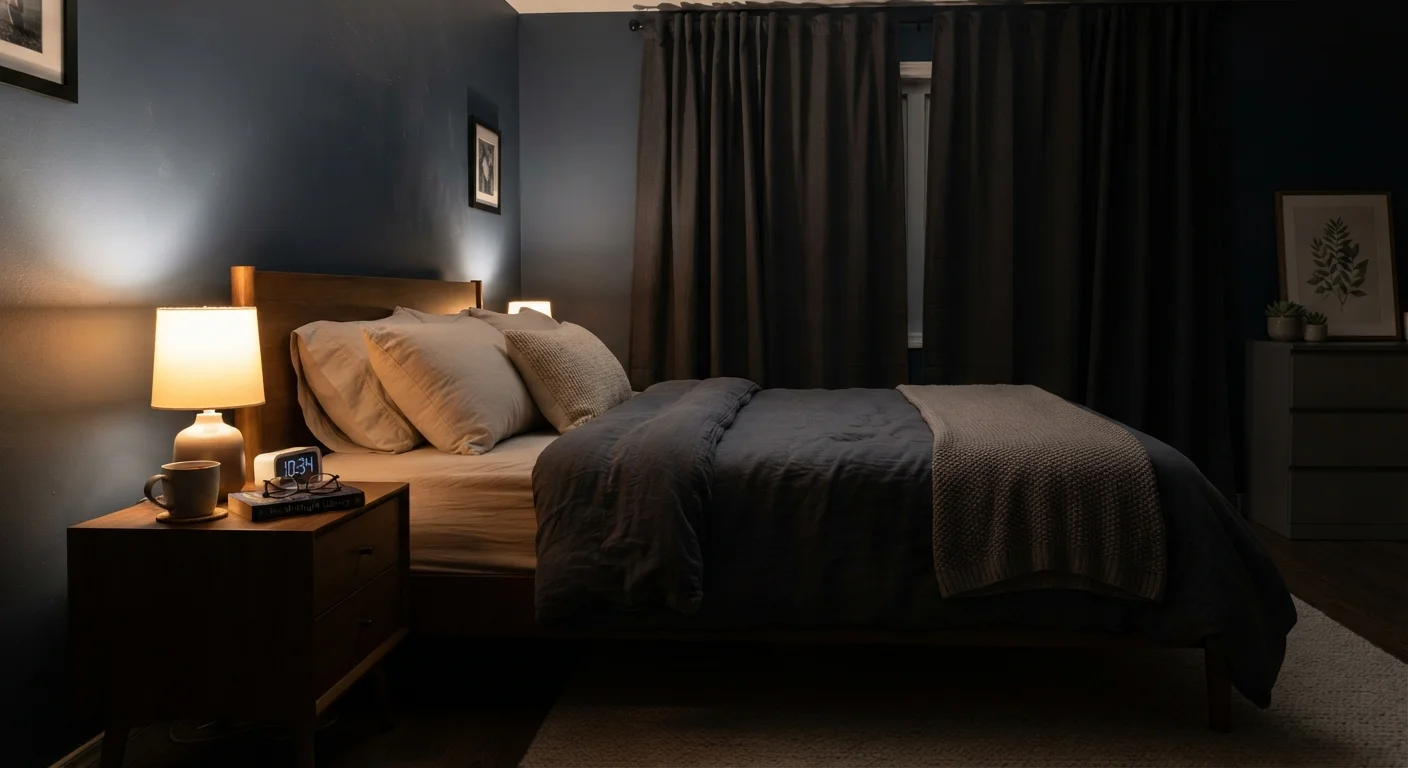
Photo: YetaWellness.com | Explore Trending Blogs editorial

A practical room-by-room and habit-by-habit checklist to audit your evening routine and sleeping environment before lights out.

Key Takeaways

  • A consistent pre-sleep routine signals your brain that it's time to wind down.
  • Light, temperature, and noise are the three most controllable bedroom factors affecting sleep quality.
  • Caffeine and alcohol both disrupt sleep architecture, even when consumed hours before bed.
  • Screen exposure close to bedtime suppresses melatonin, delaying sleep onset.
  • Persistent sleep problems unresolved by routine improvements warrant a conversation with a healthcare provider.

Why a Pre-Sleep Checklist Works

Sleep quality isn't determined solely by what happens after you close your eyes — it's shaped by the hour or two that precede it. Research in sleep science consistently shows that environmental cues and behavioral patterns regulate your body's circadian rhythm, the internal 24-hour clock that governs when you feel alert and when you feel drowsy. A structured pre-sleep routine gives that system reliable signals to work with.

This checklist is organized into four practical categories: your physical environment, your body preparation, your mental wind-down, and your tech and light habits. Work through it starting roughly 60–90 minutes before your target bedtime. For a deeper look at building these habits long-term, see our comprehensive approach to lasting sleep habits.

This article is for general informational purposes only and is not a substitute for personalized medical advice. If you have ongoing or severe sleep difficulties, please consult a qualified healthcare professional.

Bedroom Environment

Set your thermostat or open a window to keep your room between 65–68°F (18–20°C), the range most closely associated with quality sleep onset. Must
Block external light sources using blackout curtains, a sleep mask, or both — even small amounts of light can suppress melatonin production. Must
Reduce noise below a disruptive threshold using earplugs, a white-noise machine, or a fan set to a consistent low hum. Should
Clear visible clutter from your sleeping space; visual disorder is associated with elevated cortisol and difficulty mentally disengaging. Nice to have

Body Preparation

Stop consuming caffeine at least six hours before bedtime — caffeine has a half-life of roughly five to seven hours and measurably disrupts sleep architecture even when you don't feel stimulated. Must
Avoid alcohol within three hours of bedtime; while it may accelerate sleep onset, it fragments REM sleep in the second half of the night. Must
Finish any large meals at least two to three hours before bed to allow digestion and reduce the likelihood of reflux affecting sleep. Should
Take a warm shower or bath 60–90 minutes before bed; the subsequent drop in core body temperature acts as a physiological sleep cue. Should
Avoid vigorous exercise in the 60 minutes immediately before sleep, as elevated heart rate and core temperature can delay sleep onset for some individuals. Should
If you're hungry, have a small, low-sugar snack rather than going to bed uncomfortably hungry, which can also fragment sleep. Nice to have

Tech and Light Habits

Dim overhead lighting and switch to warm-toned lamps at least 60 minutes before bed to begin signaling the shift toward sleep. Must
Power down or physically remove smartphones, tablets, and laptops from the bedroom, or enable a strict Do Not Disturb mode. Must
Stop scrolling social media or watching stimulating video content at least 30–60 minutes before your target sleep time. Must
Enable night-mode or blue-light filters on any device you do use in the evening, understanding this reduces but does not eliminate light-related melatonin suppression. Should

Mental Wind-Down

Write a brief to-do list or brain-dump of tomorrow's tasks to offload active planning and reduce bedtime rumination. Must
Spend 5–10 minutes on a calming, low-demand activity — light reading, gentle stretching, or quiet breathing — to begin psychological deceleration. Should
Avoid emotionally charged conversations, stressful work tasks, or upsetting news content in the final hour before bed. Should
Practice a brief mindfulness or relaxation exercise; for structured guidance, see our evening mindfulness checklist. Nice to have
Set a consistent lights-out time and stick to it even on weekends — sleep timing consistency strengthens your circadian rhythm over time. Must

Tools That Support Your Routine

You don't need special equipment to improve your sleep, but a few low-tech tools can make sticking to this checklist considerably easier.

Required

Blackout curtains or sleep mask

Eliminates ambient light that suppresses melatonin and fragments sleep.

Optional

White noise machine or fan

Masks inconsistent environmental noise that causes micro-arousals during the night.

Optional

Analog alarm clock

Removes the need to keep a smartphone in the bedroom, reducing light and notification disruptions.

Optional

Sleep journal or notepad

Captures tomorrow's tasks and worries before bed, reducing cognitive arousal at lights-out.

Optional

Programmable thermostat

Automates a drop in room temperature at a set time each evening to support sleep onset.

When the Checklist Isn't Enough

Most people who consistently follow a structured pre-sleep routine notice meaningful improvement in sleep onset and overnight continuity within one to two weeks. However, if you've been diligent about your environment and habits for several weeks and still experience persistent difficulty falling asleep, staying asleep, or feeling rested, that pattern deserves professional attention.

Conditions such as insomnia disorder, sleep apnea, and restless legs syndrome have recognized diagnostic criteria and effective treatments — but they require evaluation by a clinician, not a checklist. Use our sleep disorder red flags guide to identify symptoms worth raising with your doctor, and explore the broader Sleep Disorders hub for context on common conditions. For readers also building daytime wellness habits, the Daily Prevention Habits hub offers complementary guidance that supports overall health resilience.

Persistent Sleep Problems Need Professional Evaluation

Lifestyle changes and environment improvements resolve many common sleep difficulties, but they are not a treatment for clinical sleep disorders. If you regularly take more than 30 minutes to fall asleep, wake for prolonged periods during the night, snore loudly, or feel unrefreshed despite adequate time in bed — and these patterns have persisted for more than a month — please speak with a qualified healthcare provider. Early evaluation can identify treatable conditions and prevent compounding health impacts.

Sleep Health Editorial Team

YetaWellness.com | Explore Trending Blogs

Sleep Health Editorial Team is the collective byline for our editorial team and contributor network. Articles published under this byline or an editorial pen name are researched, written, and reviewed according to our editorial standards for clarity, consistency, and independence before publication.

Sleep ScienceSleep HabitsSleep Disorders
View author profile

The content on this site is for informational purposes only and is not a substitute for professional advice. Always consult a qualified professional for guidance specific to your situation.