
Building a Sleep Habit That Lasts: A Comprehensive Approach

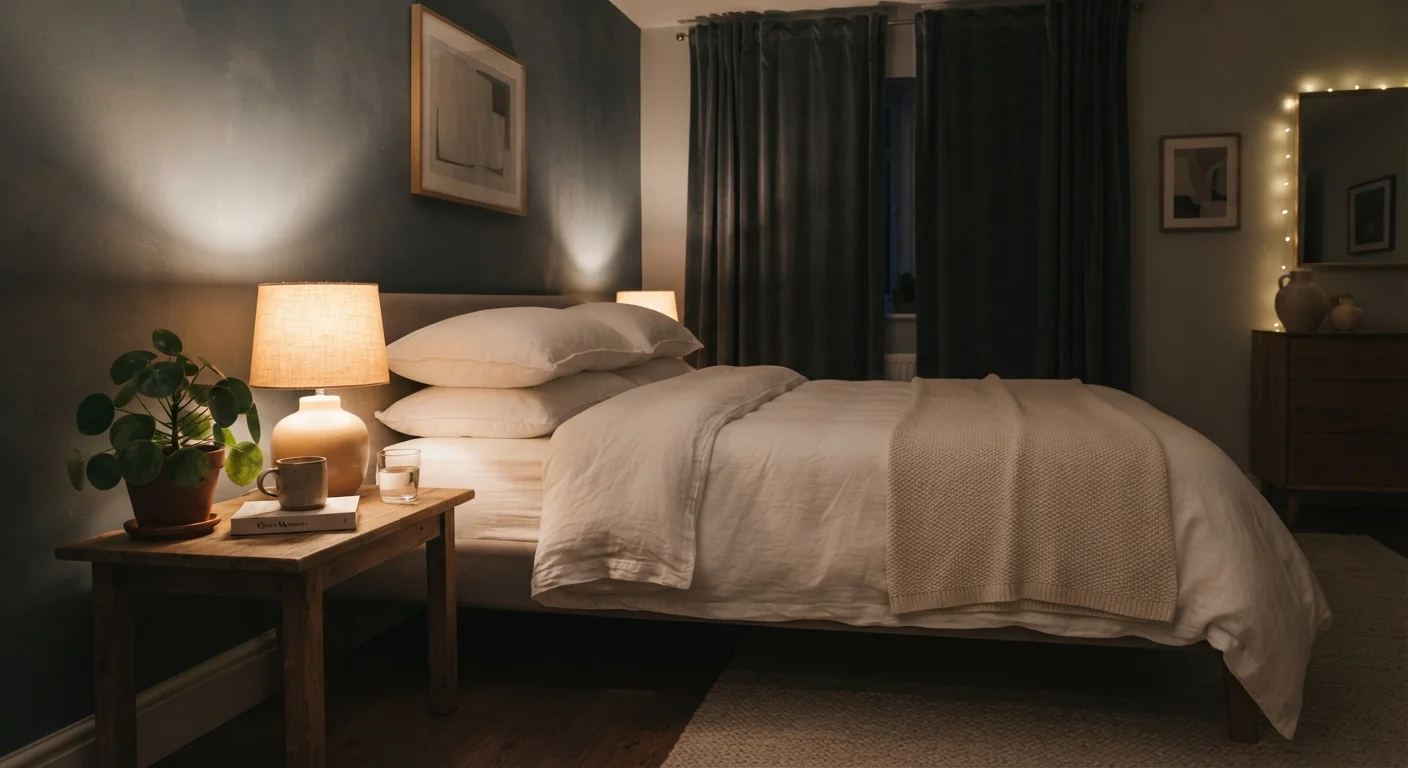
Photo: YetaWellness.com | Explore Trending Blogs editorial
Key Takeaways
- Consistent bed and wake times anchor your circadian rhythm more than any other single habit.
- Light, temperature, and noise control in the bedroom directly influence sleep architecture.
- Stress management techniques practiced before bed reduce nighttime cortisol and improve sleep onset.
- Caffeine's half-life means an afternoon cup can still disrupt sleep hours later.
- Persistent sleep difficulty beyond three weeks warrants a conversation with a healthcare provider.
- Building sleep habits takes deliberate repetition — results typically emerge after two to four weeks of consistency.
Why Sleep Habits Are Harder to Build Than Most
Most behavioral habits — exercise, diet, journaling — produce feedback you can feel within days. Sleep is subtler. You often can't perceive cumulative sleep debt building in real time, which makes it easy to underestimate how much your current patterns are costing you. Research published in peer-reviewed sleep medicine journals consistently shows that adults who sleep fewer than seven hours per night face measurable impairments in cognition, mood regulation, and metabolic function — yet many report feeling "fine."
The deeper challenge is that sleep isn't a single behavior you add to a routine; it's the downstream outcome of dozens of interconnected choices made throughout the day. To understand how your brain moves through sleep stages each night is to understand why those choices matter at a biological level. This guide connects that science directly to what you can change — starting tonight.
Circadian Biology: The Engine Behind Your Sleep
Your circadian rhythm is a roughly 24-hour biological clock regulated primarily by light exposure. The suprachiasmatic nucleus (SCN) in the hypothalamus acts as the master pacemaker, signaling the pineal gland to release melatonin — a hormone that promotes drowsiness — when light fades in the evening. Disrupting this signal with bright or blue-spectrum light after sunset delays melatonin onset and pushes your natural sleep window later.
The two most evidence-supported levers for anchoring your circadian clock are:
- Fixed wake time: Rising at the same time every day — including weekends — is the single most powerful circadian anchor. It constrains your sleep pressure (adenosine buildup) and melatonin timing simultaneously.
- Morning light exposure: Ten to thirty minutes of natural light within an hour of waking advances the circadian phase and reduces morning grogginess. Even overcast outdoor light outperforms most indoor lighting.
Set your alarm for the same time every morning before you try to fix your bedtime. Wake-time consistency is the fastest lever for resetting a drifted sleep schedule.
If you can't fall asleep after about 20 minutes, leave the bed and do something calm in dim light until you feel genuinely drowsy — then return. Lying awake in bed conditions your brain to associate the bed with wakefulness.
Irregular sleep schedules — sometimes called "social jetlag" — are associated with higher rates of metabolic syndrome and mood disturbance, independent of total sleep time. Consistency, not just duration, is protective.
Your Evening Routine: What to Do in the Final Hours
The two to three hours before your target bedtime function as a biological transition zone. What you do in this window shapes how quickly you fall asleep and how deeply you sleep. Consider the following evidence-backed adjustments:
- Caffeine cutoff: Caffeine's average half-life in healthy adults is five to six hours, meaning half of a 3 p.m. cup remains active at 9 p.m. Moving your last caffeinated drink to before noon substantially reduces adenosine receptor blockade at bedtime.
- Alcohol timing and quantity: While alcohol initially sedates, it fragments sleep in the second half of the night by suppressing REM sleep. Even moderate consumption close to bedtime reduces sleep quality measurably.
- Meal timing: Large meals within two to three hours of bed are associated with increased acid reflux and disrupted slow-wave sleep. Lighter evening meals tend to support uninterrupted rest. For more on how food choices intersect with recovery, see healthy eating habits.
- Screen dimming: Switching devices to night mode or warm-amber settings after sunset limits blue-light suppression of melatonin. A complete screen-free period of 30–60 minutes before bed is more effective still.
For a step-by-step audit of your entire evening, the pre-sleep checklist is a useful companion resource.
Optimizing Your Bedroom Environment
The bedroom environment exerts a direct influence on sleep architecture — the structured progression through light sleep, deep sleep, and REM cycles. Three environmental variables carry the strongest evidence:
- Temperature
- Core body temperature must drop by approximately one to two degrees Fahrenheit to initiate and maintain sleep. Most sleep researchers recommend ambient bedroom temperatures between 65°F and 68°F for adults, though individual preference varies. Cool showers one to two hours before bed can accelerate this core temperature drop.
- Darkness
- Even low ambient light — from a charging indicator or streetlight seeping under a door — can suppress melatonin and reduce slow-wave sleep duration. Blackout curtains or a sleep mask are among the most cost-effective environmental interventions.
- Noise
- Sudden sound spikes, not continuous background noise, are the primary disruptors. Continuous low-level white or pink noise can mask transient sounds and reduce the number of micro-arousals during the night.
Keeping the bedroom reserved primarily for sleep (and intimacy) reinforces stimulus control — a behavioral principle from cognitive behavioral therapy for insomnia (CBT-I) that strengthens the mental association between the bed and sleepiness rather than alertness.
Stress, Anxiety, and the Racing Mind
Elevated cortisol — the body's primary stress hormone — is directly antagonistic to the physiological cascade that initiates sleep. Chronic stress keeps the hypothalamic-pituitary-adrenal (HPA) axis activated, making it difficult to disengage from alert, problem-solving states at bedtime.
Techniques with meaningful clinical support for reducing pre-sleep arousal include:
- Progressive muscle relaxation (PMR): Systematically tensing and releasing muscle groups reduces physiological tension and has been studied as a component of CBT-I protocols.
- Scheduled worry time: Setting aside 15–20 minutes earlier in the evening to write down concerns and next-step plans has been shown to reduce intrusive thoughts at bedtime in controlled trials.
- Diaphragmatic breathing: Slow, deep breathing activates the parasympathetic nervous system, reducing heart rate and cortisol. A common pattern is a four-count inhale, hold for two, and a six-count exhale.
Sleep is only one dimension of rest. Building deliberate rest into your broader week — through downtime, social connection, and sensory breaks — can reduce the accumulated stress load that makes sleep harder. The guide on building a weekly rest plan explores this broader framework.
When Good Habits Aren't Enough: Recognizing a Disorder
Lifestyle improvements resolve most mild-to-moderate sleep difficulties, but some sleep problems reflect underlying disorders that require professional evaluation. Warning signs that warrant a conversation with a healthcare provider include:
- Difficulty falling or staying asleep at least three nights per week for three or more weeks, despite consistent sleep hygiene efforts
- Loud snoring, gasping, or witnessed breathing pauses during sleep (potential indicators of obstructive sleep apnea)
- Uncomfortable leg sensations at night that create an urge to move (a characteristic of restless legs syndrome)
- Excessive daytime sleepiness that interferes with work or daily function despite adequate sleep opportunity
Cognitive behavioral therapy for insomnia (CBT-I) is recognized by major sleep medicine bodies as the first-line treatment for chronic insomnia — more effective long-term than sleep medications and without associated dependency risks. An overview of common sleep disorders and their management can help you understand what to discuss with your provider.
This article is for general informational and educational purposes only and does not constitute medical advice. If you have concerns about your sleep or health, please consult a qualified healthcare professional.
The content on this site is for informational purposes only and is not a substitute for professional advice. Always consult a qualified professional for guidance specific to your situation.