
Sleep Talking, Sleepwalking, and Night Terrors: Inside the World of Parasomnias

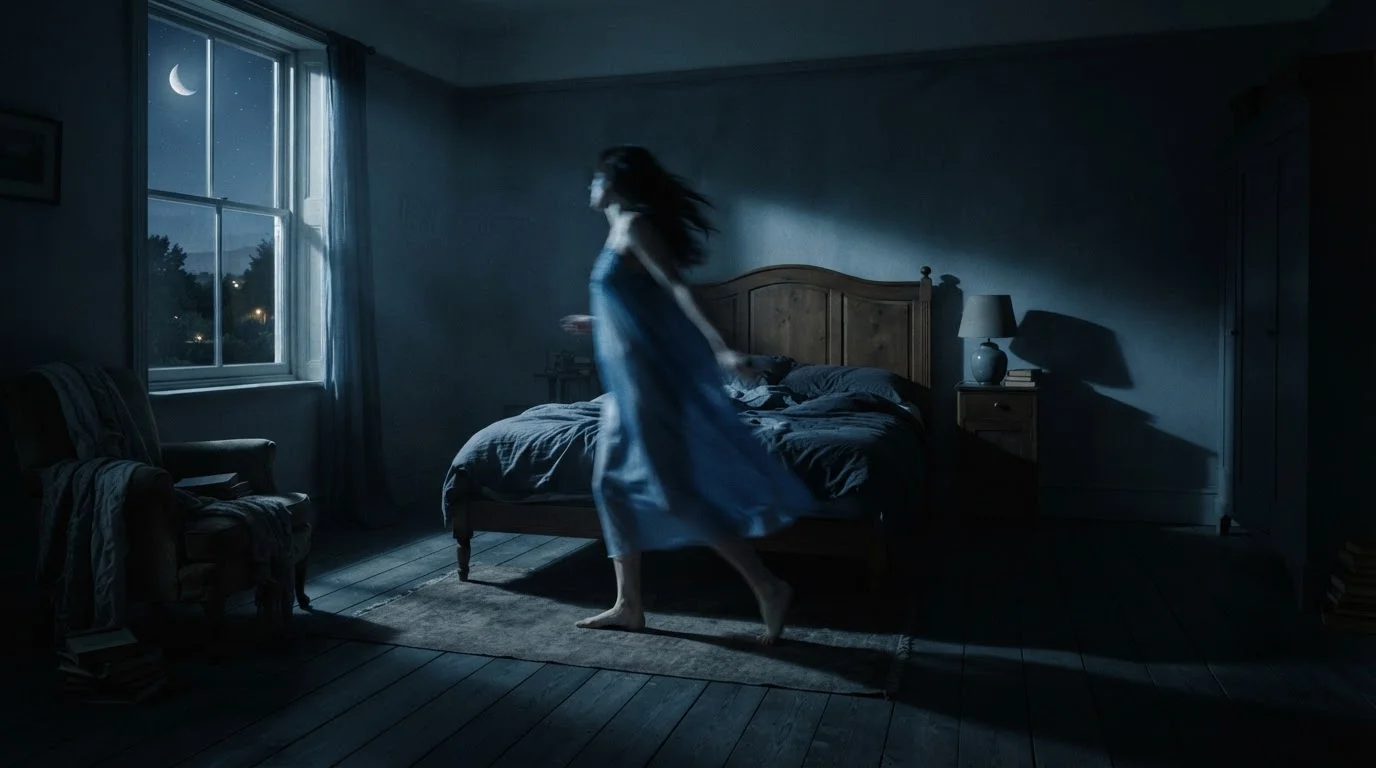
Photo: YetaWellness.com | Explore Trending Blogs editorial
Key Takeaways
- Parasomnias are disruptive sleep behaviors that occur during transitions between sleep stages.
- Most parasomnias in children are outgrown, but adults can also experience them, sometimes triggered by stress or medications.
- Night terrors differ from nightmares in important ways — they typically leave no memory and occur in deep non-REM sleep.
- Safety precautions are often the first priority for households where sleepwalking occurs.
- Frequent or injurious parasomnias warrant evaluation by a healthcare provider or sleep specialist.
What Are Parasomnias?
Parasomnias are a category of sleep disorders characterized by abnormal behaviors, movements, emotions, perceptions, or dreams that occur during sleep or the transitions into and out of it. The word itself comes from the Greek para (beside) and the Latin somnus (sleep) — essentially, things happening alongside sleep that shouldn't be there.
Unlike insomnia or sleep apnea, parasomnias aren't primarily about the quantity or breathing quality of sleep. Instead, they involve the brain failing to move cleanly between sleep stages, allowing elements of wakefulness and sleep to blend in disorienting ways. For a broader look at how sleep disorders are classified, see Sleep Disorders Explained.
Parasomnias are broadly divided into two groups: those arising from non-REM (NREM) sleep — including sleepwalking, sleep terrors, and confusional arousals — and those arising from REM sleep, such as REM sleep behavior disorder. Sleep talking can occur in either stage. Below, we walk through five of the most recognized types.
Sleep Talking (Somniloquy)
Sleep talking is arguably the most common parasomnia, affecting people of all ages. It ranges from a few mumbled syllables to lengthy, surprisingly coherent monologues — and the speaker is almost never aware it's happening. Episodes typically last under 30 seconds and can occur in any sleep stage, though they're more frequent during lighter NREM sleep.
In most cases, sleep talking is entirely benign. Common triggers include sleep deprivation, fever, stress, and alcohol consumption. It tends to run in families, suggesting a genetic component. Unless it's severely disrupting a bed partner's sleep or accompanied by other unusual behaviors, no treatment is typically needed.
Sleep talking is almost always harmless and often linked to stress or poor sleep habits.
Sleepwalking (Somnambulism)
Sleepwalking involves rising from bed and moving around — sometimes performing complex tasks like opening doors or rearranging furniture — while remaining in a state of deep NREM sleep. The eyes are usually open with a glassy, unfocused appearance. Most episodes end with the person returning to bed with no recollection of the event.
Sleepwalking peaks in childhood, with studies suggesting somewhere between 1% and 15% of children experience it at some point. It often resolves by adolescence, though it can persist or begin in adulthood. Key safety steps for households include securing stairways, locking exterior doors, and removing tripping hazards. Contrary to popular belief, waking a sleepwalker is not dangerous — it may simply cause brief confusion.
Triggers include sleep deprivation, fever, certain medications (particularly sedatives and some antidepressants), and irregular sleep schedules. For a lifespan perspective on how sleepwalking and other disorders shift with age, see Sleep Disorders Across the Lifespan.
Securing the home environment is the first and most practical response to sleepwalking in any household.
Sleep Terrors (Night Terrors)
Sleep terrors are among the most alarming parasomnias to witness. A person — most often a child — may suddenly bolt upright, scream, and appear terrified, with a racing heart and rapid breathing. Yet they are not truly awake and typically cannot be comforted in the usual way. The episode usually ends as abruptly as it began, and the individual rarely remembers it the next morning.
This distinguishes sleep terrors sharply from nightmares, which occur in REM sleep, often leave a vivid memory, and respond to the comfort of waking. Sleep terrors arise from deep NREM sleep, usually in the first third of the night. They're most common in children ages 3–12 and are considered a normal developmental variant in that age group.
In adults, sleep terrors are less common and may be associated with stress, sleep deprivation, or co-occurring mood disorders. Attempting to forcibly wake someone during a sleep terror can sometimes prolong or intensify the episode; quiet, calm supervision is generally more effective.
Sleep terrors leave no memory behind — a key distinction from nightmares that occur in REM sleep.
Confusional Arousals
Confusional arousals happen when a person wakes from deep sleep but remains disoriented, unresponsive, or mentally foggy for minutes to sometimes over an hour. They may speak slowly or behave strangely, appear to be awake, but process very little of what's happening around them.
These episodes are particularly common in young children and can also occur in adults, especially when awakened abruptly from the deepest stage of NREM sleep (slow-wave sleep). Alcohol use, sleep deprivation, and shift-work schedules are known contributors in adults. Most episodes are harmless, though they can occasionally result in confused or distressed behavior that startles family members.
Confusional arousals can look alarming but typically resolve on their own within minutes.
REM Sleep Behavior Disorder (RBD)
During normal REM sleep, the brain essentially paralyzes voluntary muscles — a phenomenon called REM atonia — preventing people from physically acting out their dreams. In REM sleep behavior disorder, this paralysis is absent or incomplete. The result is that individuals may kick, punch, shout, or leap out of bed in response to vivid, often action-filled dreams. Injuries to the sleeper or bed partner are a real risk.
RBD is more common in men over 50, though it can affect anyone. Unlike most other parasomnias, people with RBD often recall their dreams in detail upon waking. Because spontaneous (idiopathic) RBD in older adults has been identified in research as a potential early marker of certain neurodegenerative conditions, it warrants prompt evaluation by a physician — not to cause alarm, but because early assessment opens more options for monitoring and care.
RBD is distinct from other sleep disorders in important ways; similarly, narcolepsy is also widely misunderstood and worth distinguishing from REM-related conditions.
RBD in older adults warrants medical evaluation because of its documented associations with neurological health.
When Should You Talk to a Doctor?
Many parasomnias, especially in children, are self-limiting and pose little lasting concern. However, certain patterns are worth flagging with a qualified healthcare provider. These include episodes that occur several nights per week, involve leaving the home or operating equipment, result in injury, or begin in adulthood without a clear trigger.
Keeping a Sleep Log Can Help
Adults who develop new-onset REM sleep behavior disorder — in which people physically act out vivid dreams — should speak with a neurologist, as this condition has been associated in research with certain neurodegenerative conditions when it arises spontaneously in midlife or later. That said, a diagnosis of any kind requires professional evaluation, not self-assessment.
If you're unsure whether your sleep patterns are worth discussing, this checklist of sleep disorder red flags can help you recognize what's worth raising at your next appointment. And because disrupted sleep has real physiological consequences, understanding what happens in your body during disrupted sleep may also be useful context.
This article is for general informational purposes only and does not constitute medical advice. If you have concerns about your sleep health or the sleep of someone in your care, please consult a qualified healthcare professional.
The content on this site is for informational purposes only and is not a substitute for professional advice. Always consult a qualified professional for guidance specific to your situation.