
Adenosine, Cortisol, and Melatonin: The Hormones Running Your Sleep

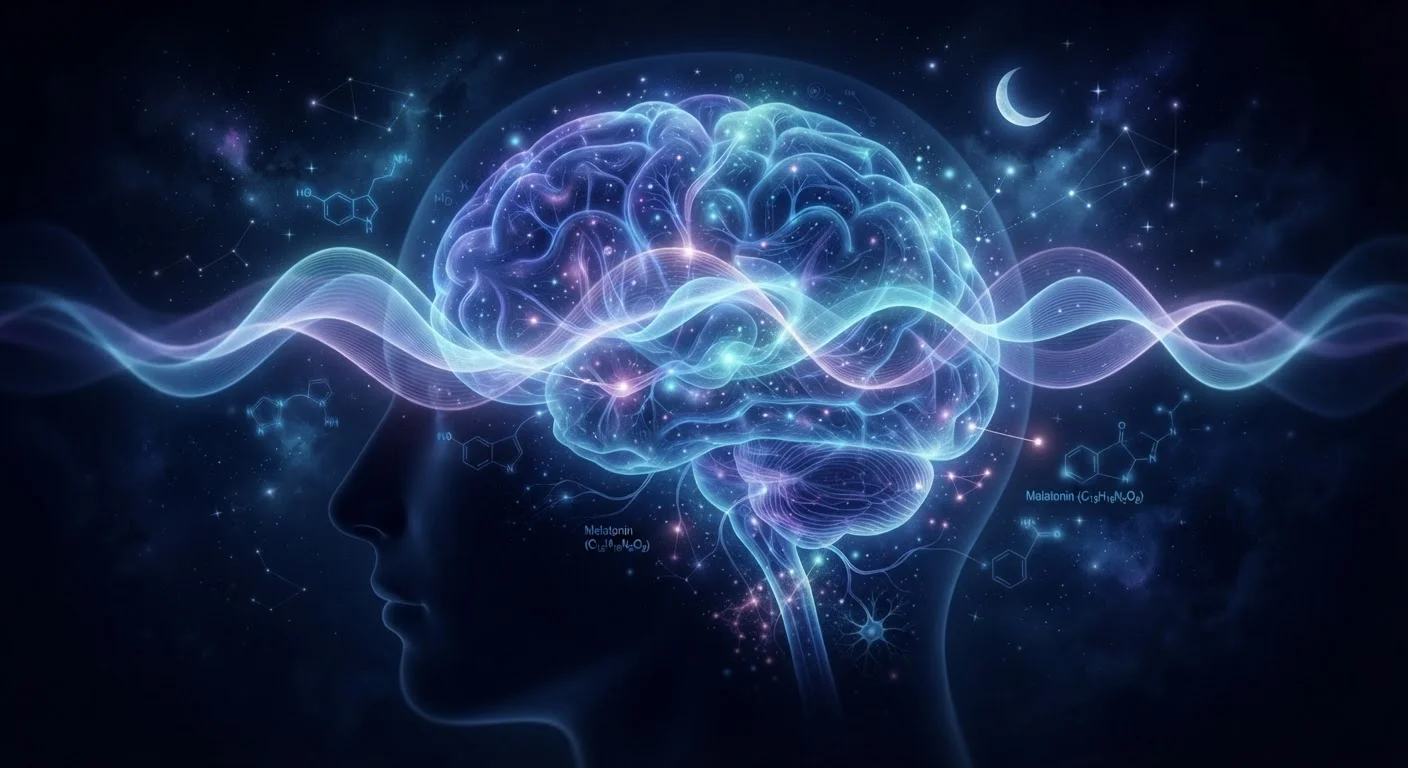
Photo: YetaWellness.com | Explore Trending Blogs editorial
Why Your Sleep Has Chemical Architects
When you drag yourself to bed after a long day or snap awake before your alarm, chemicals — not willpower — are largely running the show. Three molecules in particular shape nearly every aspect of your sleep: adenosine, cortisol, and melatonin. Each operates on a different mechanism and timeline, but together they form an integrated system that determines when you feel sleepy, how deeply you rest, and when your body decides it's time to wake.
Understanding these molecules doesn't require a biology degree. It does, however, change how you interpret everyday choices — from that afternoon coffee to scrolling your phone at midnight. For a fuller picture of how these chemicals fit into the broader biology of rest, see the complete guide to sleep science.
| Primary sleep-pressure molecule | Adenosine |
| When melatonin secretion typically begins | 1–2 hours before natural bedtime (American Academy of Sleep Medicine) |
| Cortisol daily peak | ~30 minutes after waking (cortisol awakening response) |
| How caffeine affects sleep pressure | Blocks adenosine receptors; does not reduce adenosine |
| Light's effect on melatonin | Suppresses production, especially blue-spectrum light |
| Two-process sleep model components | Homeostatic drive (adenosine) + Circadian clock (melatonin/cortisol) (Borbély, A.A. — two-process model of sleep regulation) |
Adenosine: The Pressure That Builds While You're Awake
Adenosine is a byproduct of cellular energy use. Every hour your brain is active, neurons consume adenosine triphosphate (ATP) for fuel and release adenosine as a waste product. That adenosine gradually accumulates in the brain's basal forebrain and other regions, binding to receptors that progressively dampen wakefulness signals. The longer you're awake, the higher adenosine climbs — and the sleepier you feel. Sleep researchers call this buildup homeostatic sleep pressure.
During sleep, the brain clears adenosine, which is why a full night's rest resets that pressure and you wake feeling alert. Caffeine works by temporarily blocking adenosine receptors rather than reducing adenosine itself — which is why the drowsiness rebounds once caffeine clears your system. Disrupted sleep leaves adenosine partially uncleared, contributing to the grogginess and cognitive drag described in detail in what happens during disrupted sleep.
Adenosine
A naturally occurring molecule that accumulates in the brain during wakefulness. It binds to receptors that promote sleepiness, creating the sensation of sleep pressure the longer you stay awake.
Homeostatic sleep pressure
The growing biological drive to sleep that builds with each hour of wakefulness, primarily driven by adenosine accumulation. It is reset by adequate sleep.
Cortisol awakening response (CAR)
A natural surge in cortisol that occurs within roughly 30 minutes of waking. It helps mobilize energy, sharpen alertness, and prepare the body for the demands of the day.
Melatonin
A hormone produced by the pineal gland in response to darkness. It signals nighttime to the body and helps coordinate the biological conditions that allow sleep to occur — it does not directly sedate.
Circadian rhythm
The internal 24-hour biological clock that regulates sleep-wake timing, hormone secretion, body temperature, and other physiological processes. It is primarily synchronized by light and darkness.
Pineal gland
A small gland in the brain responsible for synthesizing and releasing melatonin. Its output is directly suppressed by light exposure, particularly short-wavelength (blue) light.
Cortisol: The Wake-Up Signal You May Not Expect
Cortisol is widely known as a stress hormone, but its relationship with sleep is more nuanced than that label suggests. Cortisol follows a circadian rhythm: it reaches its lowest point around midnight, then rises sharply in the early morning hours — peaking around 30 minutes after waking in what researchers call the cortisol awakening response (CAR). This surge promotes alertness, mobilizes energy, and effectively signals the body that the day has begun.
Problems arise when stress chronically elevates cortisol at the wrong times. Elevated evening cortisol makes it harder to fall asleep and reduces time in slow-wave (deep) sleep. The connection between stress, cortisol dysregulation, and disrupted metabolic function is explored in the article Sleep, Stress, and Your Metabolism. Anxiety compounds this loop further — a pattern detailed in Sleep, Stress, and Anxiety.
Melatonin: The Darkness Signal, Not a Sedative
Melatonin is produced by the brain's pineal gland in response to dim light and darkness, with secretion typically beginning 1–2 hours before your natural bedtime. It doesn't knock you unconscious — instead, it signals the body that night has arrived, lowering core temperature and coordinating the biological processes that make sleep possible. Light suppresses melatonin production, which is why evening exposure to bright or blue-spectrum light delays its release and shifts your internal clock later.
Melatonin levels peak in the middle of the night and taper before dawn, aligning with the cortisol rise. This interplay means that mood, alertness, and energy across your waking hours are partly downstream of how cleanly these hormone transitions occur — a point explored in the science behind daily mood changes.
How the Three Systems Work Together — and What Disrupts Them
Adenosine, cortisol, and melatonin don't operate in isolation. They interact across what sleep scientists describe as two coordinated processes: the homeostatic drive (adenosine-based pressure) and the circadian clock (which governs melatonin and cortisol timing). When these systems are aligned, sleep onset is smooth, sleep is restorative, and waking is relatively effortless. When they fall out of sync — due to shift work, chronic stress, irregular light exposure, or poor sleep habits — the disruption cascades through cognition, mood, immune function, and metabolic health.
Practical implications follow naturally from the science: consistent wake times support the cortisol rhythm; dimming lights in the evening protects melatonin onset; avoiding caffeine in the afternoon prevents adenosine from being masked when your body needs to clear it. None of these steps guarantees perfect sleep, and anyone experiencing persistent sleep difficulties should consult a qualified healthcare provider rather than self-treating based on general information alone.
This article is for general informational and educational purposes only and does not constitute medical advice. Always consult a qualified healthcare professional regarding personal health concerns or sleep disorders.
The content on this site is for informational purposes only and is not a substitute for professional advice. Always consult a qualified professional for guidance specific to your situation.