
Why Sleep Deprivation Hits Harder Than Most People Realize

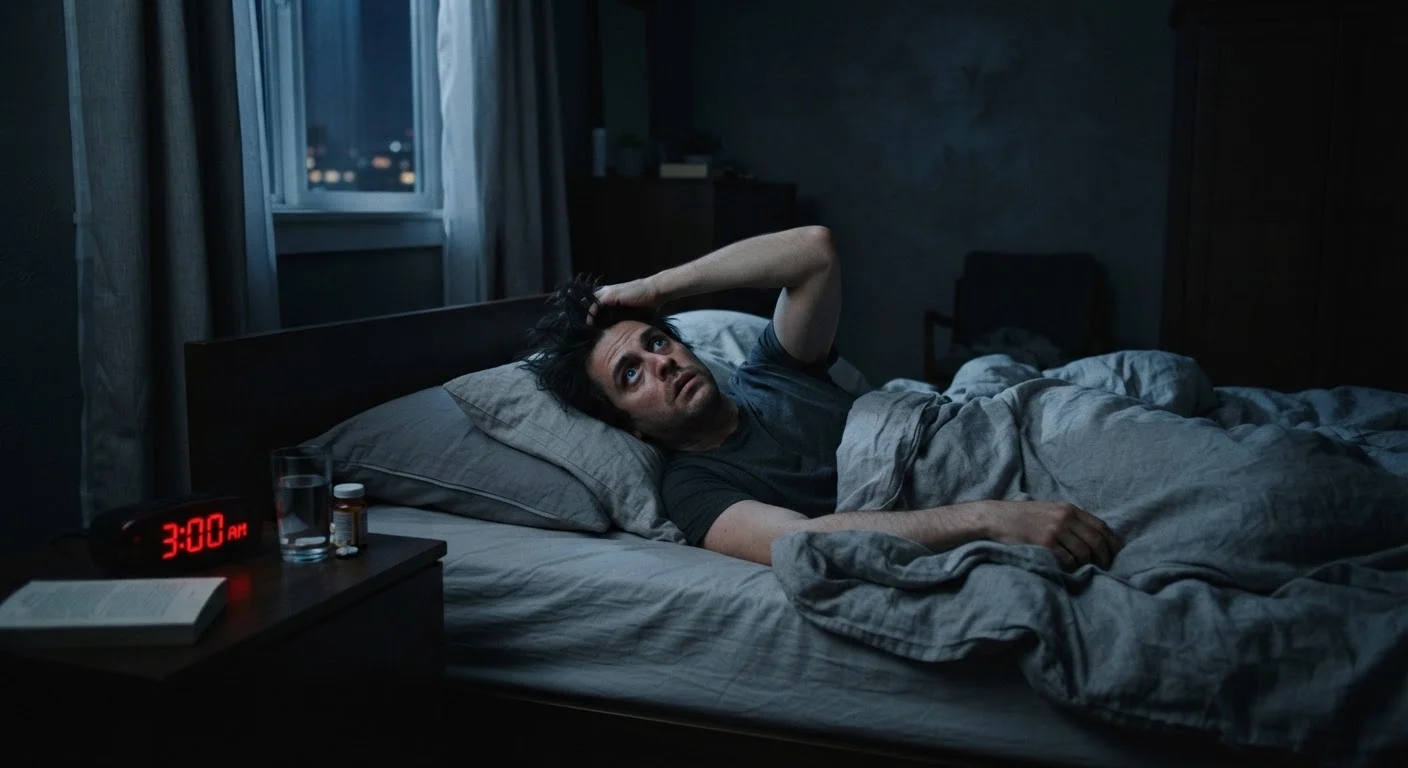
Photo: YetaWellness.com | Explore Trending Blogs editorial
Key Takeaways
- Sleep deprivation impairs judgment and reaction time in ways similar to alcohol intoxication.
- Even mild, chronic sleep restriction can disrupt hunger hormones and contribute to weight changes.
- The immune system's ability to respond to pathogens is measurably reduced after poor sleep.
- Sleep loss has a bidirectional relationship with mood disorders like depression and anxiety.
- Most people underestimate their own level of impairment when sleep-deprived.
The Gap Between Feeling Tired and Being Impaired
One of the most counterintuitive findings in sleep research is that people become progressively less accurate at assessing their own impairment as sleep debt accumulates. In landmark studies by researchers at the University of Pennsylvania, participants who were restricted to six hours of sleep per night rated their own sleepiness as only mildly elevated — yet their cognitive performance on objective tests declined to levels comparable to being awake for 24 hours straight.
This disconnect matters enormously in everyday life. A person driving after five nights of six-hour sleep may feel alert enough to be on the road while carrying reaction-time deficits comparable to a blood-alcohol level above the legal limit. The brain, it turns out, is poorly calibrated to measure its own fatigue once chronically deprived.
Understanding what happens physiologically during disrupted sleep helps explain why this self-assessment failure occurs — the very brain regions responsible for evaluating performance are among the first to be compromised by insufficient rest.
How Sleep Loss Affects the Body Beyond the Brain
Cognitive impairment is the most visible symptom of sleep deprivation, but the effects extend into nearly every body system.
1 in 3
U.S. adults not getting enough sleep
CDC surveillance data indicate that roughly one-third of American adults regularly sleep fewer than seven hours per night.
~24%
Reduction in immune antibody response
Research published in the journal Sleep found significantly reduced antibody production in participants who slept under six hours compared to well-rested peers after vaccination.
2x
Increased accident risk after short sleep
The AAA Foundation for Traffic Safety has reported that drivers sleeping six to seven hours face roughly double the crash risk of those sleeping eight or more hours.
Metabolism and appetite: Sleep loss alters levels of ghrelin and leptin — the hormones that regulate hunger and fullness signals. Short sleep is associated with increased appetite, particularly for calorie-dense foods, and disrupted glucose metabolism. The connections between sleep, stress, and metabolism are more direct than most people appreciate.
Immune function: Studies measuring antibody response after vaccination have found that sleep-deprived participants produce significantly fewer protective antibodies than well-rested controls. Chronic partial sleep restriction is also associated with elevated inflammatory markers, which are implicated in cardiovascular and metabolic disease over time.
Cardiovascular health: Epidemiological data consistently link short sleep duration with higher rates of hypertension and adverse cardiac events. While causality in large population studies is complex, the biological mechanisms — including heightened sympathetic nervous system activity and cortisol elevation — are well characterized.
Sleep Deprivation and Mental Health: A Two-Way Street
The relationship between sleep and mental health is bidirectional and well established in clinical literature. Insufficient sleep amplifies emotional reactivity — the amygdala, the brain's threat-detection center, becomes significantly more responsive to negative stimuli following sleep loss, while connectivity with the prefrontal cortex (responsible for emotional regulation) weakens.
This neurological shift helps explain why sleep-deprived people report feeling more irritable, anxious, and emotionally overwhelmed. Over the longer term, chronic sleep restriction is recognized as a risk factor for depression. Conversely, mood disorders frequently fragment sleep, creating cycles that are difficult to break without addressing both sides.
For a closer look at how restorative sleep supports emotional resilience and mental wellbeing, the research connecting sleep and mental health is worth understanding.
It is also important to distinguish between voluntarily short sleep and clinical insomnia, which involve different mechanisms and may warrant different approaches. Understanding that distinction is an important step toward knowing when to seek professional guidance.
This article is for informational purposes only and is not a substitute for professional medical advice. If you have concerns about your sleep or health, please consult a qualified healthcare provider.
Frequently Asked Questions
The content on this site is for informational purposes only and is not a substitute for professional advice. Always consult a qualified professional for guidance specific to your situation.